
Skin Grafting
Manipal Hospitals offers specialised skin grafting in India for patients with burns, trauma, chronic wounds, and non-healing ulcers. Experienced plastic surgeons plan each procedure through a detailed wound assessment, thoughtful donor site selection, and customised graft design. Patients receive structured pre-operative counselling, meticulous surgical care, and closely monitored recovery to support function, comfort, and long-term skin health. Clear communication keeps patients and families informed at every stage, ensuring seamless coordination and support.
Hospital Locations
-

Old Airport Road - Bengaluru
-

Whitefield - Bengaluru
-

Jayanagar - Bengaluru
-

Malleshwaram - Bengaluru
-
Yeshwanthpur - Bengaluru
-

Hebbal - Bengaluru
-

Sarjapur Road - Bengaluru
-
Varthur Road - Whitefield - Bengaluru
-

Doddaballapur - Bengaluru
-
Millers Road - Bengaluru
-
.webp)
Mysuru
-
Mangaluru
-
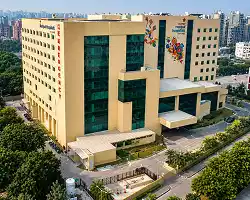
Dwarka - Delhi NCR
-

Gurugram - Delhi NCR
-
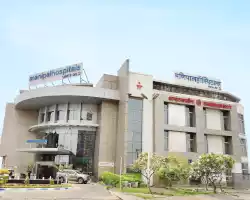
Ghaziabad - Delhi NCR
-

Patiala
-
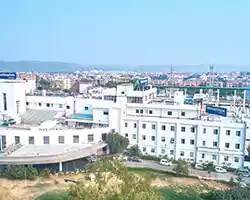
Jaipur
-
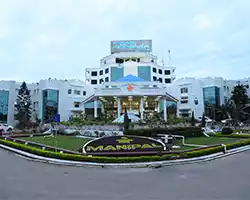
Vijayawada
-
Salem
-
Kharadi - Pune
-

Salt Lake - Kolkata
-

Baner - Pune
-
Dhakuria - Kolkata
-

Mukundapur - Kolkata
-
Broadway - Kolkata
-

Bhubaneswar
-

Kanakapura Road - Bengaluru
-

EM Bypass - Kolkata
-
Siliguri
-

Yelahanka - Bengaluru
-
Rangapani
-

Ranchi
How It Works
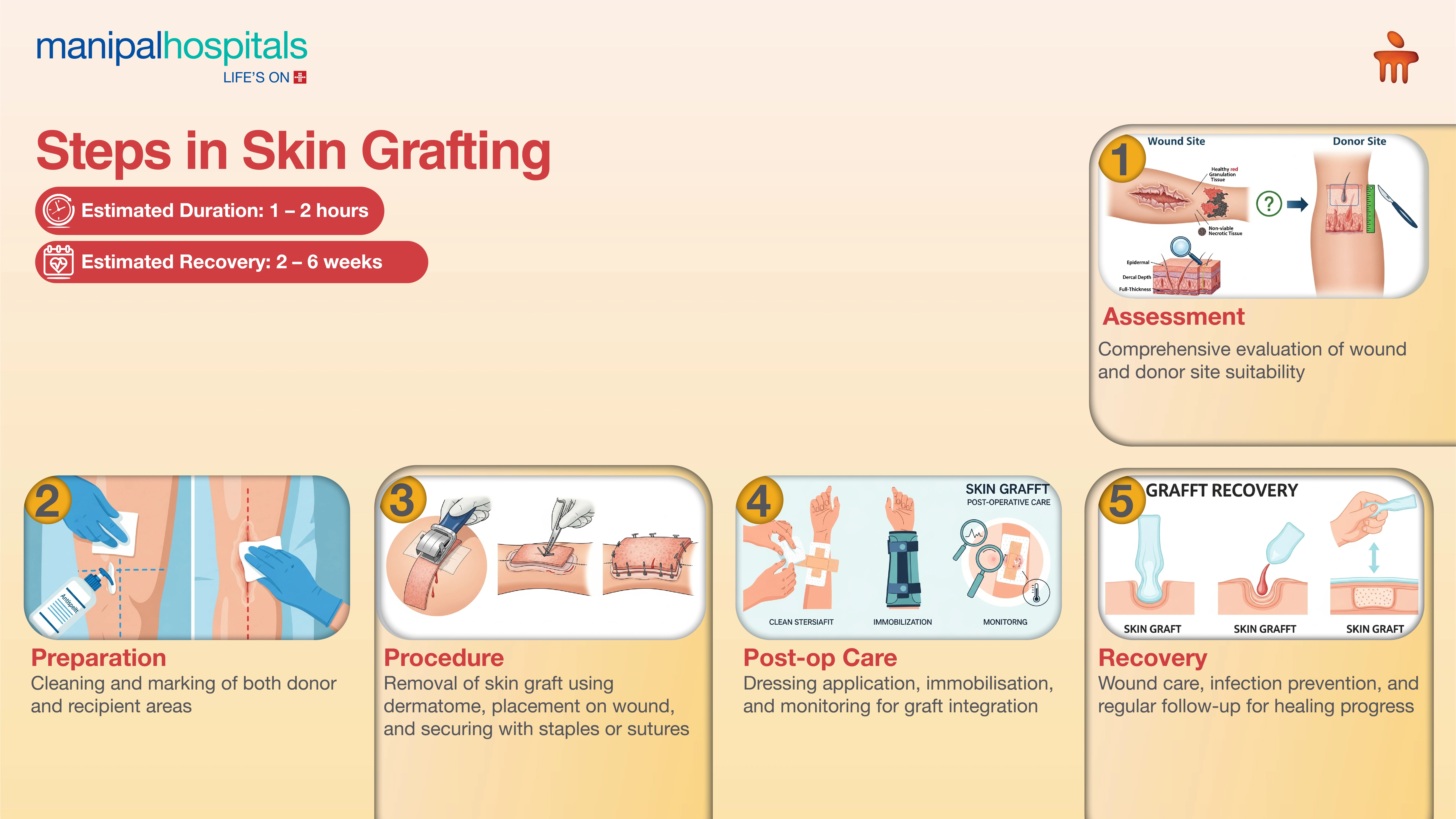
Skin grafting at Manipal Hospitals begins with a thorough evaluation of the wound, surrounding tissues, and potential donor sites. Specialists assess the depth of the injury, determine graft suitability, and decide whether a split-thickness or full-thickness graft is appropriate. Once the plan is finalised, both donor and recipient areas are cleaned and prepared under strict sterile conditions.
During the procedure, surgeons harvest healthy skin from the donor site using a dermatome or scalpel. The graft is then shaped, placed over the wound, and secured with sutures, staples, or specialised dressings. Proper adherence is essential for successful integration, so dressing techniques are selected to match the wound’s specific needs.
After transplantation, the grafted area is monitored for blood supply, adherence, and early healing. Post-operative care includes pain control, infection prevention, regular wound checks, and supportive therapies. Physiotherapy may be recommended if the graft affects movement or joint function. With coordinated input from plastic surgeons, dermatologists, and rehabilitation specialists, Manipal Hospitals supports effective healing and functional recovery.
Didn’t find what you were looking for?
Request a CallbackBenefits
Choosing Manipal Hospitals for skin grafting offers several clinical advantages:
-
Effective coverage of large or complex wounds with reduced contraction
-
Faster healing and improved infection control at the wound site
-
Better function and appearance through carefully planned scarring
-
Donor sites selected and managed to heal quickly and comfortably
-
Multidisciplinary support to maintain long-term skin integrity
What to Expect
Consultation and diagnosis
Plastic surgeons review medical history, examine the wound, and confirm suitability for skin grafting, including donor site options and expected outcomes.
Pre-operative preparation
Blood tests, imaging, and medication review are completed. Patients receive guidance on fasting, wound hygiene, and optimising nutrition and mobility before surgery.
Surgery day
Under anaesthesia, the team harvests healthy skin and performs skin graft surgery in India using precise techniques, secure fixation, and protective dressings.
Recovery room monitoring
Vital signs, circulation, and dressings are monitored closely. Pain control begins early, and limb positioning is optimised to protect graft adherence.
Hospital stay
Doctors and nurses supervise wound checks, dressing changes, and early mobilisation to minimise complications and stiffness.
Physical therapy
Physiotherapists support safe movement, joint protection, and gradual return to routine activities.
Follow-up appointments and long-term recovery
Outpatient visits track graft integration, donor site healing, and scar management, with ongoing advice to maintain skin health and function.
Why Manipal Hospitals?
Manipal Hospitals is a preferred centre for complex reconstructive procedures, including skin graft surgery in India. Plastic and reconstructive surgeons collaborate with anaesthetists, intensivists, and wound care teams to provide coordinated care from initial assessment through rehabilitation.
The hospital’s modular operating theatres, infection-control protocols, and advanced surgical instruments support precise graft harvesting and placement. Standardised pathways promote safe anaesthesia, stable post-operative recovery, and reduced hospital stay.
Patients benefit from individualised treatment plans, dedicated scar-management guidance, and rehabilitation support that focuses on restoring mobility, comfort, and confidence after injury or surgery. Transparent communication and scheduled follow-up appointments help address concerns early and reinforce long-term outcomes.
Centre of Excellence
The Plastic and Reconstructive Surgery Department at Manipal Hospitals manages skin grafting for burns, trauma, ulcers, and post-surgical defects. Surgeons perform split- and full-thickness grafts using detailed wound planning to maximise coverage, preserve function, and achieve balanced cosmetic results. The team coordinates anaesthesia, nursing care, and physiotherapy to support safe and effective recovery.
Services Offered
Manipal Hospitals provides key skin grafting services:
-
Split-thickness and full-thickness grafts for different wound depths
-
Meshed grafts to expand coverage over irregular areas
-
Reconstruction after burns, trauma, tumour excision, or chronic ulcers
-
Donor site selection, closure, and pain control
-
Post-operative wound care, scar management, and rehabilitation
Facilities & Services
Manipal Hospitals supports skin grafting with specialised facilities:
-
Sterile modular operating theatres for plastic surgery
-
Surgical dermatomes and imaging systems for precise graft harvesting
-
High-dependency or intensive care areas for post-operative monitoring
-
Dedicated wound care and Hygiene dressing rooms
-
On-site physiotherapy and rehabilitation for recovery
Frequently Asked Questions
Skin grafting is a surgical procedure that involves transplanting healthy skin from one area of the body to a damaged site. It helps restore skin continuity after burns, trauma, ulcers, or large wounds that cannot heal naturally.
Individuals with severe burns, non-healing wounds, trauma-related skin loss, or surgical defects may require skin graft surgery. Specialists determine graft suitability based on wound depth, location, and overall health.
Recovery depends on graft type and wound size. Initial healing typically occurs in two to three weeks. Complete recovery, including scar maturation and skin strengthening, may take several months with proper care and follow-up.
Common risks include infection, graft failure, bleeding, or colour mismatch. Careful donor site selection, sterile technique, post-operative monitoring, and proper wound care significantly reduce the likelihood of complications.
Patients undergoing skin grafting in India receive clear guidance on dressing care, hygiene, activity limits, and protecting both donor and graft sites. Follow-up visits help monitor healing, address concerns early, and adjust care plans as needed.
Consult our Experts



You’re on Our Indian Website
Visit the Global site for International patient services
'Click' to chat with us
