
Robotic Gynaecological Surgery
Manipal Hospitals provides advanced Robotic Gynaecological Surgery in India for women requiring precise, minimally invasive treatment for complex reproductive conditions. Using robotic-assisted systems, surgeons perform procedures with enhanced accuracy, stability, and visual clarity. This approach supports quicker recovery, minimal scarring, and reduced blood loss. Conditions treated include fibroids, endometriosis, pelvic organ prolapse, and certain gynaecological cancers. Each patient receives a personalised evaluation, ensuring surgical plans that prioritise safety, comfort, and long-term reproductive health.
Hospital Locations
-

Old Airport Road - Bengaluru
-
.webp)
Mysuru
-

Mangaluru
-
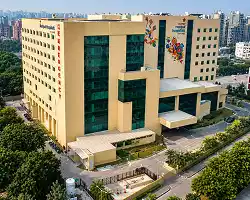
Dwarka - Delhi NCR
-

Patiala
-

Jaipur
-

Vijayawada
-

Salem
-

Salt Lake - Kolkata
-

Baner - Pune
-

Bhubaneswar
-

Siliguri
-

Ranchi
How It Works
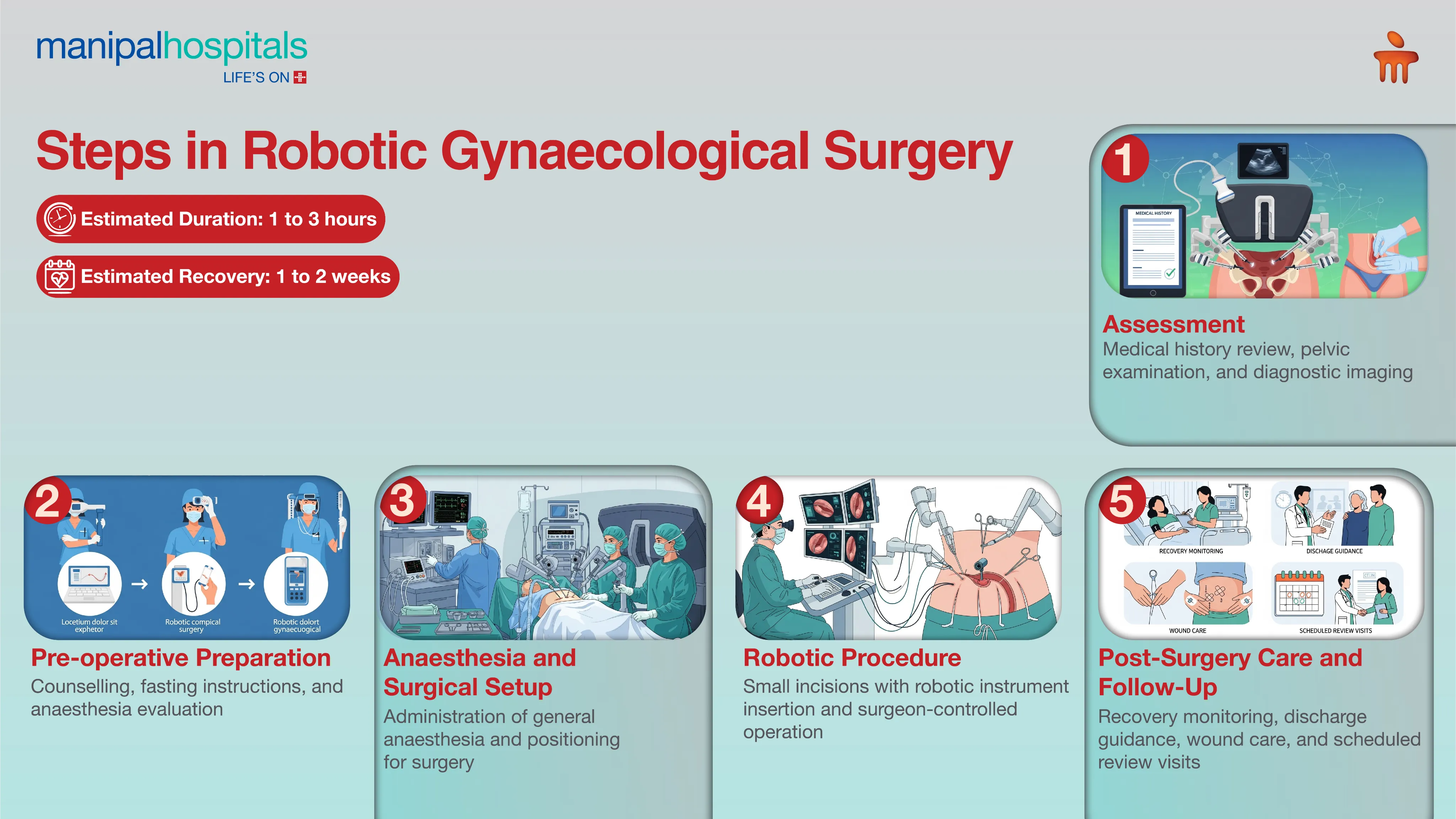
Robotic surgery integrates 3D visualisation, high-definition imaging, and wristed instruments to support safe, minimally invasive procedures. At Manipal Hospitals, patients undergoing robotic-assisted gynaecologic surgery in India begin with a detailed assessment. It includes medical history review, pelvic examination, imaging scans, and necessary blood tests. Surgeons explain the condition, expected benefits, and available minimally invasive options before finalising the surgical plan.
During the procedure, the surgeon controls robotic arms from a dedicated console. These arms replicate precise hand movements while filtering natural tremors. Tiny incisions are created to insert surgical instruments and a camera that provides magnified, real-time visuals. This technology allows surgeons to access deep pelvic areas with improved flexibility and precision.
Anaesthesia teams monitor vital parameters throughout the procedure. Once surgery is completed, the instruments are removed, and the small incisions are closed carefully. Patients are then shifted to a recovery area for observation. Most can resume light activity within a short period, depending on the procedure and healing progress. Clear postoperative instructions are provided, focusing on rest, wound care, medication schedules, and follow-up visits to support a smooth recovery.
Didn’t find what you were looking for?
Request a CallbackBenefits
Patients receive advanced minimally invasive care supported by precision technology and structured monitoring.
-
Reduced blood loss and postoperative pain
-
Smaller incisions with minimal scarring
-
Faster recovery and earlier return to activities
-
Greater surgical accuracy in complex pelvic procedures
-
Lower risk of complications
-
Enhanced visual clarity for deep pelvic access
-
Shorter hospital stay
What to Expect
Consultation and Diagnosis
Detailed review of symptoms, pelvic exam, imaging tests, and confirmation of surgical need.
Pre-operative Preparation
Counselling, fasting instructions, medication review, and anaesthesia evaluation.
Surgery Day
Small incisions are created, robotic instruments are placed, and the surgeon performs the procedure from a robotic console.
Recovery Room Monitoring
Vital signs, pain levels, and immediate postoperative response are monitored closely.
Hospital Stay
Most patients stay 1 to 2 days, depending on the procedure and recovery progress.
Physical Therapy
Gentle activity guidance is provided to support mobility and healing.
Follow-up Appointments
Review of incision healing, symptom improvement, and overall recovery progress.
Long-term Recovery
Most patients return to normal routines in 1 to 2 weeks with continued monitoring if required.
Why Manipal Hospitals?
Manipal Hospitals offers an advanced environment for robotic gynaecological procedures, supported by skilled surgeons, modern operating theatres, and dedicated robotic platforms. The team specialises in treating complex pelvic disorders with minimally invasive techniques designed to reduce recovery time and improve surgical precision. Patients seeking robotic-assisted gynaecologic surgery in India benefit from detailed evaluations, personalised surgical plans, and continuous monitoring at every stage.
The hospital maintains strict safety protocols, with expert anaesthesia care, high-definition imaging, and comprehensive postoperative support. Clear communication, patient counselling, and coordinated follow-up contribute to a smooth surgical experience. With a focus on comfort and long-term outcomes, Manipal Hospitals ensures high-quality care for women needing robotic gynaecological treatment.
Centre of Excellence
The Department of Gynaecology at Manipal Hospitals provides specialised care for women requiring advanced minimally invasive surgery. The team manages fibroids, endometriosis, prolapse, and complex pelvic conditions. They provide comprehensive care through collaboration across anaesthesia, oncology, and fertility services. The department ensures effective and patient-centred treatment throughout diagnosis, surgery, and recovery.
Services Offered
At Manipal Hospitals, patients receive a complete range of robotic and gynaecological services designed for precision-based treatment.
-
Robotic-assisted hysterectomy
-
Robotic myomectomy for fibroids
-
Robotic endometriosis surgery
-
Ovarian cyst and tumour removal
-
Pelvic organ prolapse repair
-
Minimally invasive cancer surgeries
-
Pre- and post-operative counselling
-
Rehabilitation support if required
-
Nutritional assessment and long-term follow-up
Facilities & Services
Patients benefit from advanced robotic and surgical facilities designed for safety, comfort, and enhanced precision for robotic gynaecology surgeries.
-
Dedicated robotic operating theatres
-
High-definition 3D imaging systems
-
Advanced anaesthesia and monitoring units
-
Minimally invasive surgical tools
-
Private recovery and inpatient rooms
-
24/7 critical-care and gynaecology support
-
Integrated imaging and laboratory services
Frequently Asked Questions
Robotic gynaecological surgery is used to treat conditions such as fibroids, endometriosis, ovarian disorders, and pelvic organ prolapse. It can also manage selected gynaecologic cancers through minimally invasive techniques.
Yes. Robotic gynaecological surgery in India is generally safe when performed by trained specialists. The system offers enhanced precision, but your surgeon will evaluate your health, surgical risks, and recovery factors before recommending the procedure.
Most patients recover faster than with open surgery. Light activities are usually possible within a few days, and full recovery typically occurs within 2–4 weeks, depending on the procedure performed.
Most patients return to light activities within a week and resume normal routines in 1 to 2 weeks based on their recovery.
Some discomfort is normal, especially around the small incisions, but it is usually mild and manageable with prescribed medication. Pain levels are typically lower than traditional open surgery.
Consult our Experts



You’re on Our Indian Website
Visit the Global site for International patient services
'Click' to chat with us
