.webp "Psoriasis Treatment in India | Manipal Hospitals")
Psoriasis Management
Manipal Hospitals offers the best psoriasis treatment in India through its Dermatology and Immunology Specialities. Treatment options may include topical medications, phototherapy, systemic drugs, and biologic agents prescribed and monitored by dermatology specialists. Patients are managed through regular consultations and follow-ups, allowing doctors to assess treatment response and adjust therapy as required. With experienced dermatologists and comprehensive facilities, Manipal Hospitals ensures effective and patient-centred psoriasis treatment for improved skin health and quality of life.
Hospital Locations
-

Old Airport Road - Bengaluru
-
.webp)
Mysuru
-

Mangaluru
-
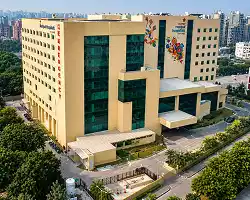
Dwarka - Delhi NCR
-

Patiala
-
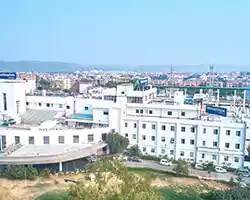
Jaipur
-

Vijayawada
-
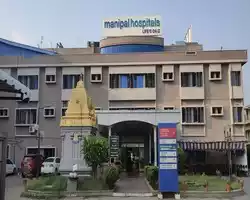
Salem
-

Salt Lake - Kolkata
-
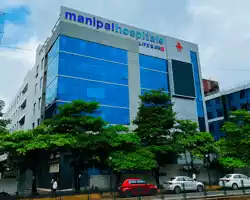
Baner - Pune
-

Bhubaneswar
-
Siliguri
-

Ranchi

How It Works
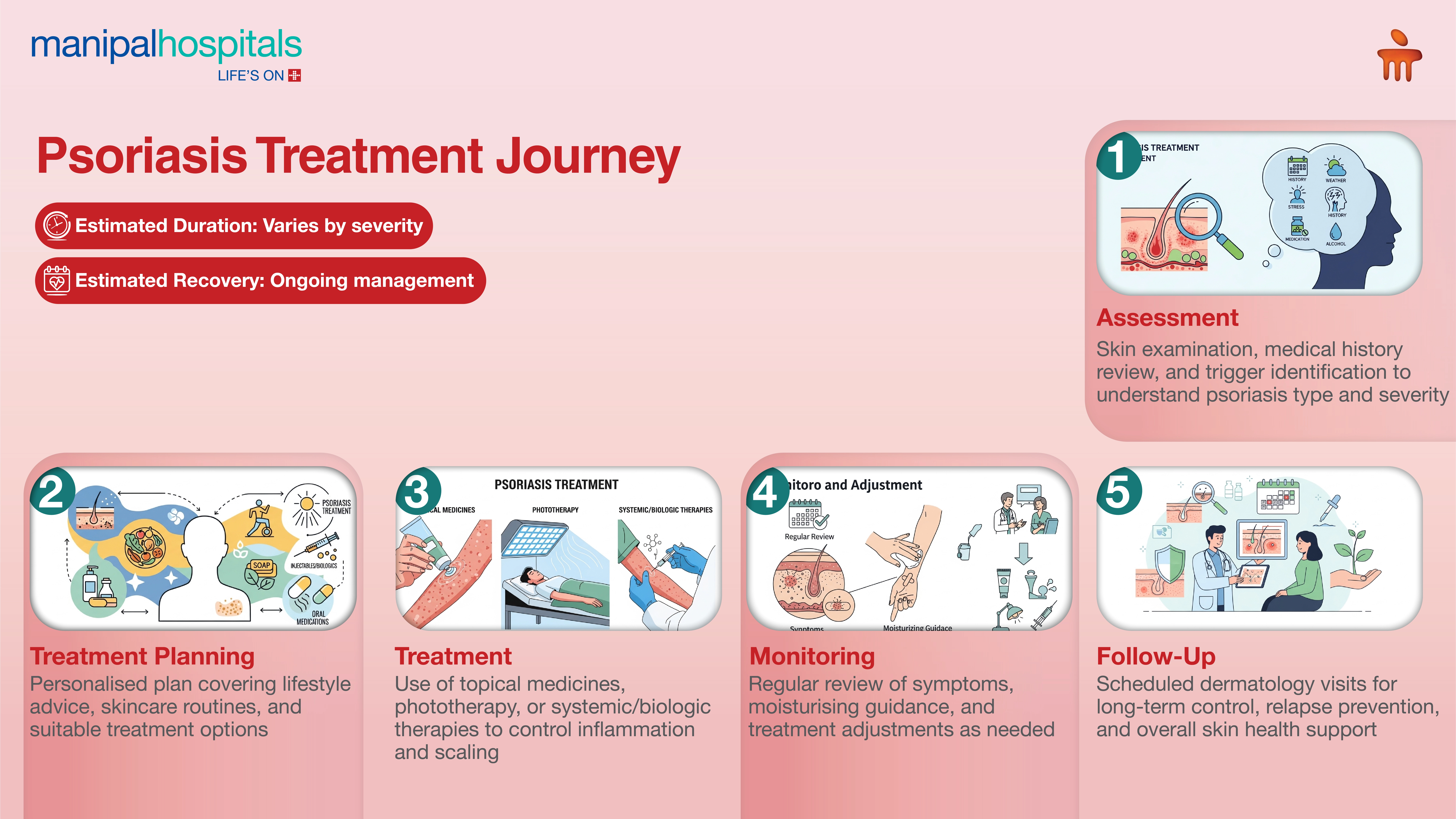
Psoriasis treatment in India at Manipal Hospitals begins with a thorough evaluation, which includes a detailed skin examination, a review of the medical history, and an analysis of possible triggers. Dermatologists assess disease severity using clinical scoring systems and design personalised plans based on each patient’s condition. Treatment options may include topical therapies, oral medications, phototherapy, or biologic injections for moderate to severe cases of psoriasis.
Topical therapies such as corticosteroids, vitamin D analogues, and retinoids are used for milder forms. Patients with more extensive plaques may receive oral treatments or targeted biologic agents that help control inflammation. Phototherapy, including narrow-band UVB and PUVA, is performed in dedicated light therapy suites that ensure safe and controlled exposure to light.
Supportive measures include skincare guidance, lifestyle modifications, stress management advice, and infection-prevention strategies. Patients attend scheduled follow-ups to review response, adjust medications, and address side effects. Emotional and psychological support is also offered, helping patients manage visible skin changes.
Didn’t find what you were looking for?
Request a CallbackBenefits
Choosing comprehensive psoriasis management provides the following benefits:
-
Reduction in flare-ups and improved skin clarity
-
Decreased inflammation, itching, and scaling for greater comfort
-
Personalised treatment plans using topical, systemic, or biologic therapies
-
Better control of triggers and long-term disease stability
-
Enhanced quality of life with fewer disruptions to daily activities
-
Regular monitoring and coordinated care from dermatology specialists
What to Expect
Consultation and Diagnosis
Patients undergo a complete skin examination and scoring of psoriasis severity. Dermatologists review symptoms, assess plaque distribution, identify triggers, and explain the full range of psoriasis treatment options available in India.
Pre-treatment Planning
Before therapy begins, specialists determine whether topical medicines, oral medications, phototherapy, or biologic injections are most suitable. Patients receive guidance on skincare routines, moisturisers, and lifestyle factors such as stress, diet, and environmental triggers to ensure optimal readiness.
Treatment Phase
Therapies are administered in monitored dermatology units. Patients may receive topical corticosteroids, systemic medicines, NB-UVB/PUVA phototherapy, or biologic injections depending on severity.
Recovery Room / Monitoring
Following treatments or phototherapy sessions, early skin response, tolerance, and medication-related side effects are closely monitored.
Hospital / Clinic Visits
Regular follow-up visits allow dermatologists to evaluate progress, monitor plaque improvement, and adjust therapy dosing or frequency.
Physical and Supportive Therapy
Patients receive structured skincare guidance to maintain hydration, prevent scaling, and protect skin during flare-prone periods.
Follow-ups
Routine assessments help prevent relapses and ensure long-term plaque control. Specialists also monitor for associated comorbidities such as arthritis, metabolic disorders, and cardiovascular risks.
Why Manipal Hospitals?
Manipal Hospitals is recognised for delivering advanced psoriasis treatment in India, supported by highly experienced dermatologists, modern phototherapy technology, and access to the latest biologic therapies. The hospital provides holistic care for all forms of psoriasis, from mild plaque disease to severe and treatment-resistant cases. They ensure accurate diagnosis, personalised therapy, and continuous monitoring. Patients benefit from a wide range of treatment options, including topical medicines, systemic oral therapies, NB-UVB and PUVA phototherapy, and targeted biologic injections. These therapies are designed to control inflammation and prevent flare-ups.
The hospitals are equipped with specialised UVB and PUVA phototherapy suites and dermato-immunology support. Also, dedicated counselling services help guide patients on skincare, stress management, and lifestyle modification. Multidisciplinary teams, including rheumatologists, psychologists, and nutrition experts, provide holistic care that addresses the physical, emotional, and lifestyle-related aspects of psoriasis.
Centre of Excellence
The Dermatology and Immunology Departments at Manipal Hospitals treat all forms of psoriasis using topical therapies, phototherapy, systemic medications, and advanced biologic agents. Specialists collaborate to deliver personalised treatment plans, supportive skincare guidance, and regular monitoring. Their integrated approach ensures long-term disease control, reduced flare-ups, and improved overall skin health.
Services Offered
Manipal Hospitals offers a wide range of Dermatology and Immunology services, including:
-
Comprehensive care for skin, hair, and nail conditions
-
Specialised treatment for autoimmune disorders such as psoriasis
-
Topical, systemic, and biologic therapy options
-
NB-UVB and PUVA phototherapy services
-
Allergy testing and immunological evaluations
-
Management of eczema, vitiligo, and chronic skin diseases
-
Personalised skincare plans with long-term follow-up
Facilities & Services
The hospital provides specialised dermatology and immunology facilities:
-
State-of-the-art dermatoscopy and diagnostic imaging systems
-
Advanced phototherapy units, including NB-UVB and PUVA chambers
-
Procedure rooms for biopsies, laser treatments, and minor surgeries
-
Immunology labs for allergy and autoimmune testing
-
Customised skincare and treatment preparation areas
-
Digital tools for personalised treatment planning
-
Comfort-focused patient rooms and counselling spaces
-
Skilled nursing staff and multidisciplinary support teams
Frequently Asked Questions
Psoriasis develops due to an overactive immune response, combined with genetic predisposition and environmental triggers. Factors such as stress, infections, cold weather, smoking, or certain medications can worsen symptoms, leading to flare-ups, increased scaling, and persistent skin inflammation.
No. Psoriasis is not infectious and cannot spread from person to person through physical contact, sharing items, or close interaction. It is an immune-mediated condition, not caused by bacteria or viruses, and poses no risk of transmission to others.
Treatment options for psoriasis include topical medications, NB-UVB or PUVA phototherapy, systemic oral drugs, and advanced biologic injections. Therapies are selected based on disease severity, skin involvement, and individual patient needs to ensure effective symptom control.
Yes. Some patients with psoriasis may develop psoriatic arthritis, a condition which affects the joints and can impact mobility. Regular monitoring and early diagnosis are crucial for managing symptoms effectively, preventing joint damage, and supporting long-term functional health.
Treatment duration varies by severity. Many patients experience improvement within weeks, but long-term management is needed to prevent flare-ups and maintain clear skin. Manipal Hospitals offers the best psoriasis care in India, using modern therapies and personalised plans.
Consult our Experts



You’re on Our Indian Website
Visit the Global site for International patient services
'Click' to chat with us
