
Plasma Exchange
Manipal Hospitals provides specialised therapeutic services, including Plasma Exchange in India, to treat various complex autoimmune and neurological disorders. The hospital utilises advanced cell separator technology to remove harmful antibodies and disease-causing proteins from the blood with high precision. Care pathways involve specialist referral, sterile vascular access, and continuous monitoring by transfusion experts. Teams ensure patient safety and comfort, explaining the filtration nature of the therapy. Patients receive clear instructions on hydration and post-procedure care.
Hospital Locations
-
Old Airport Road - Bengaluru
-
.webp)
Mysuru
-
Mangaluru
-
Dwarka - Delhi NCR
-
Patiala
-
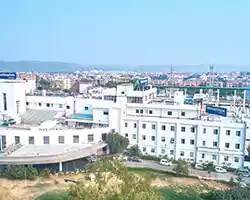
Jaipur
-
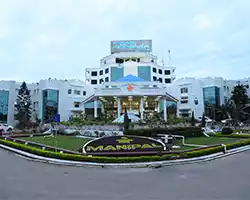
Vijayawada
-
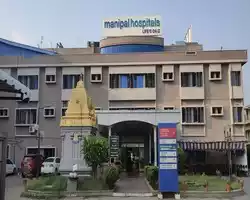
Salem
-
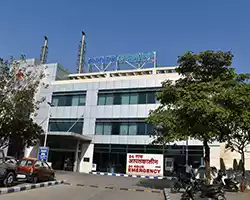
Kharadi - Pune
-
Salt Lake - Kolkata
-
Bhubaneswar
-
Siliguri
-
Ranchi
How It Works
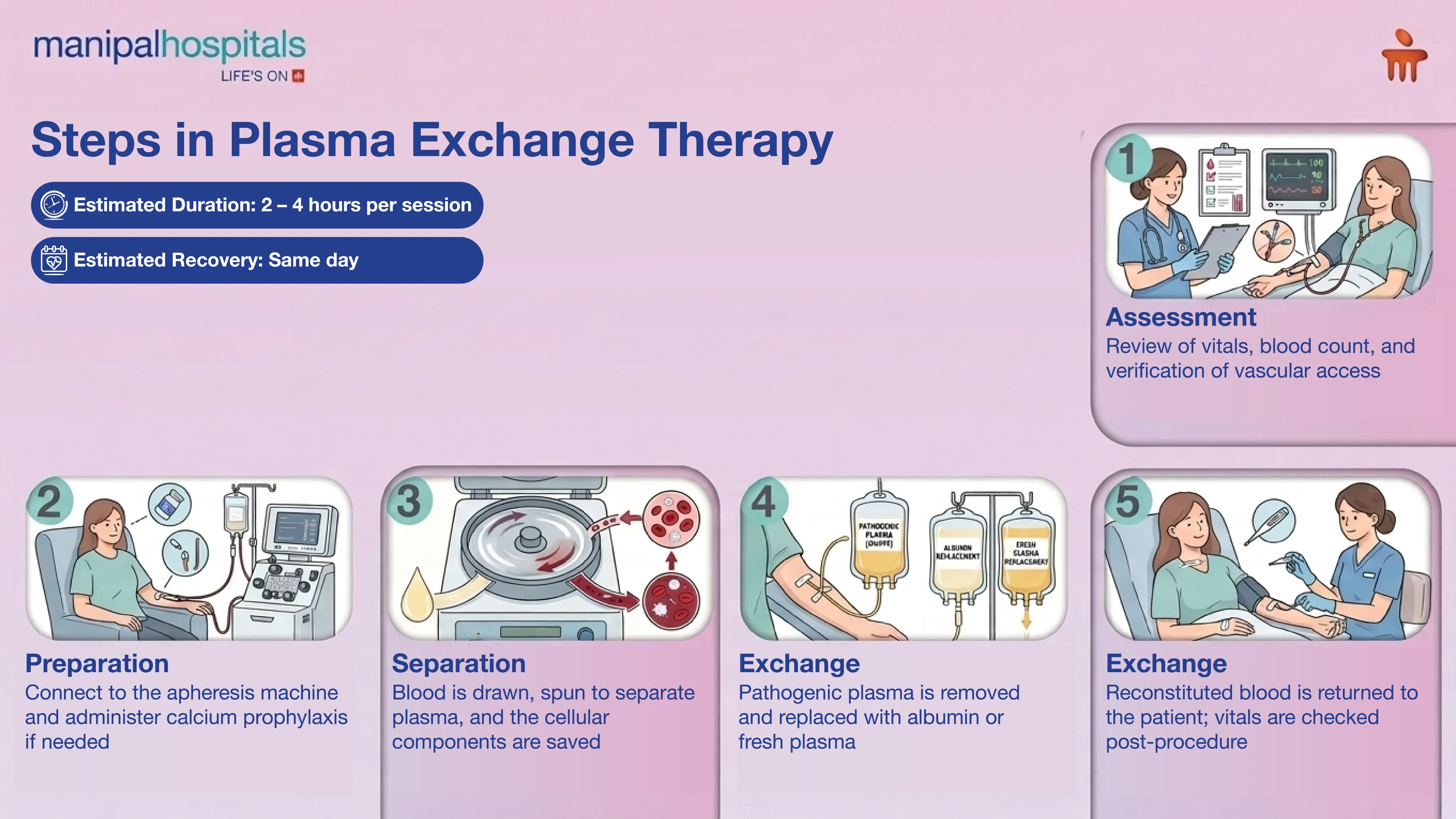
The process begins with a clinical evaluation where a specialist reviews the patient's condition and assesses vascular requirements. A central line or sturdy peripheral IV is established. As one of the best Plasma Exchange centres in India, Manipal Hospitals ensures that optimal flow rates and strict safety protocols are followed throughout the cycle.
During the procedure, blood is drawn into a centrifuge machine. It separates the liquid plasma from red blood cells, white blood cells, and platelets. The unhealthy plasma containing harmful autoantibodies is discarded and replaced with albumin. Fresh frozen plasma is also used when clinically indicated. The clean blood components are then returned to the patient.
The cycle typically takes a few hours. Specialists monitor vital signs closely to prevent hypotension or hypocalcaemia. Detailed records guide the frequency of future sessions. A tailored approach is followed for conditions like Guillain-Barré Syndrome or Myasthenia Gravis.
Didn’t find what you were looking for?
Request a CallbackBenefits
Choosing Plasma Exchange at Manipal Hospitals provides the following benefits:
-
Rapid removal of harmful autoantibodies and toxins
-
Effective treatment for acute neurological and select renal disorders
-
Safe procedure performed by certified apheresis specialists
-
Advanced monitoring to prevent fluid imbalance
-
Multidisciplinary support from neurology and nephrology teams
-
Flexible scheduling with outpatient and inpatient options
What to Expect
Consultation and Referral
A neurologist or nephrologist recommends the therapy. The transfusion team explains the procedure, risks, and benefits to the patient and family.
Pre-Procedure Preparation
Patients are advised to stay hydrated and eat a light, non-fatty meal. Blood calcium levels are checked, and vascular access (via a catheter or needle) is established.
Procedure Day
The patient rests on a comfortable bed. The machine is primed, and the tubing is connected. Anticoagulants are used to prevent clotting in the tubing.
During the Exchange
The machine hums as it processes blood. Patients may feel a cooling sensation or slight tingling (managed with calcium). Vital signs are recorded every 15-30 minutes.
Immediate Post-Procedure
Once the target volume is exchanged, the lines are disconnected. Patients are monitored for dizziness or blood pressure changes before leaving the unit.
Symptom Monitoring
Improvement is often gradual. The care team tracks clinical progress and laboratory markers to determine the total number of sessions required.
Follow-Up
Regular sessions are scheduled (often on alternate days). The doctor reviews the patient's response to adjust the treatment plan accordingly.
Why Manipal Hospitals?
Manipal Hospitals is a preferred destination for therapeutic apheresis and stands out as one of the best Plasma Exchange centre in India. It combines clinical expertise with state-of-the-art apheresis technology for comprehensive care. The facility features dedicated sterile suites equipped with advanced blood cell separators. A collaborative team of immunologists, neurologists, and transfusion specialists ensures that every cycle meets rigorous safety standards.
Patients benefit from a compassionate environment, reduced wait times, and personalised care plans. The hospital prioritises infection control and haemodynamic stability. Manipal Hospitals focuses on critical care support and positive clinical outcomes in eligible patients. With this approach, they provide the essential therapy needed to manage complex autoimmune disorders effectively.
Centre of Excellence
The Transfusion Medicine Department at Manipal Hospitals excels in therapeutic apheresis and blood management. Expert teams of doctors and technicians work together to execute complex therapeutic apheresis procedures. The department focuses on patient safety, precise fluid management, and advanced technology, supported by critical care backup. It is committed to high clinical standards for superior patient outcomes.
Services Offered
Manipal Hospitals provides comprehensive apheresis services carried out by expert teams using advanced equipment:
-
Therapeutic Plasma Exchange (TPE) for autoimmune and neurological conditions
-
Red Blood Cell Exchange for blood disorders
-
Plateletpheresis and Leukapheresis for high cell counts
-
Stem Cell Collection for Transplant
-
Lipid Apheresis and Immunoadsorption Therapy
-
24/7 emergency apheresis support
Facilities & Services
The hospital provides advanced apheresis facilities, including:
-
Advanced cell separator machines (Spectra Optia/Amicus).
-
Continuous cardiac monitoring during procedures.
-
Dedicated sterile apheresis suites.
-
Bedside apheresis for ICU patients.
-
Specialised vascular access teams.
-
Emergency resuscitation equipment.
-
Comfortable patient reclining stations.
-
Expert nursing staff trained in Transfusion Medicine.
Frequently Asked Questions
Plasma Exchange is a medical procedure that separates plasma from the blood. It replaces unhealthy plasma with fresh fluid to remove harmful antibodies or toxins that cause severe autoimmune diseases.
The procedure involves needle insertion or catheter placement, which may cause slight discomfort. Once the procedure starts, it is painless. Patients may feel cold or experience mild tingling, which is managed promptly.
The number of sessions varies based on the specific condition and severity. Typically, doctors prescribe a course of five to seven sessions over two weeks to achieve significant clinical improvement.
Doctors prescribe Plasma Exchange in India for conditions such as Guillain-Barré Syndrome and Myasthenia Gravis. It effectively removes harmful antibodies from the blood to stabilise the immune system and support recovery.
Common side effects include low blood pressure, light-headedness, or tingling. These effects are usually mild and managed immediately by the care team. Serious complications are rare when performed in specialised centres.
Consult our Experts



You’re on Our Indian Website
Visit the Global site for International patient services
'Click' to chat with us
