.webp "Pilonidal Sinus Surgery in India | Manipal Hospitals")
Pilonidal Sinus Surgery
Manipal Hospitals offers advanced pilonidal sinus treatment surgery in India through its specialised Surgical and Proctology departments. The hospital provides both conventional excision and modern minimally invasive options, including laser pilonidoplasty, for effective management of pilonidal cysts and sinus tracts. With skilled surgeons, personalised treatment plans, and strong postoperative support, Manipal Hospitals ensures comprehensive and safe care. Patients benefit from reduced discomfort, minimal complications, and faster recovery, making it a reliable centre for pilonidal sinus management.
Hospital Locations
-

Old Airport Road - Bengaluru
-
.webp)
Mysuru
-

Mangaluru
-
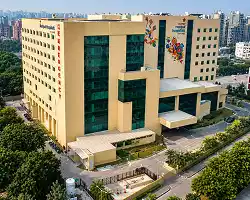
Dwarka - Delhi NCR
-

Patiala
-

Jaipur
-

Vijayawada
-
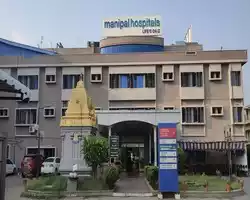
Salem
-

Salt Lake - Kolkata
-

Baner - Pune
-

Bhubaneswar
-

Siliguri
-

Ranchi

How It Works
Pilonidal cyst surgery in India at Manipal Hospitals follows a structured and patient-centred approach. Assessment begins with a detailed clinical examination to confirm the extent of the sinus and identify complications such as infection or multiple tracts. Imaging may be used for complex or recurrent cases. Based on findings, surgeons determine the most suitable technique.
Conventional excision remains an effective method for larger or recurrent sinuses. This involves removing the sinus tract through open or closed wound healing. For selected patients, minimally invasive laser pilonidoplasty is used to ablate the tract through small openings, promoting quicker healing and reduced pain. Procedures for pilonidal cyst surgery are performed under local or general anaesthesia, depending on complexity and patient comfort.
After surgery, patients receive structured wound care, which includes cleaning, dressing changes, and guidance on hygiene. Pain relief and antibiotics are administered as needed. Follow-up visits monitor healing progress, enable early detection of complications, and help prevent recurrence through advice on hair removal, posture, and lifestyle habits. This coordinated approach ensures safe recovery and long-term symptom relief.
.webp "Pilonidal Sinus Surgery in India | Manipal Hospitals")
Didn’t find what you were looking for?
Request a CallbackBenefits
Patients benefit from pilonidal sinus care at Manipal Hospitals through:
-
Access to skilled surgeons using modern and minimally invasive methods
-
Faster healing with reduced pain in suitable cases
-
Low recurrence rates with personalised treatment plans
-
Supportive recovery and structured follow-up care
-
Shorter hospital stay and quicker return to routine activities
What to Expect
Consultation and Diagnosis
Patients begin with an evaluation of symptoms, including pain, swelling, discharge, and the complexity of their sinus condition.
Pre-operative Preparation
A complete medical review and anaesthesia assessment are conducted. Patients receive clear guidance on the procedure, expected outcomes, and post-surgical care requirements.
Surgery Day
Surgery is performed under local or general anaesthesia based on the case. Surgeons carry out laser pilonidoplasty or conventional excision according to the planned approach.
Recovery Room Monitoring
Patients are monitored for bleeding, wound condition, pain levels, and early signs of healing before being moved to the ward or discharged.
Hospital Stay
Most treatments are completed as day-care procedures, with some patients requiring short admission depending on the chosen technique and wound complexity.
Post-operative Care
Patients receive instructions on wound cleaning, dressing changes, pain relief, and hygiene practices.
Follow-up Appointments
Regular reviews help track wound healing. Doctors provide measures to reduce recurrence, including hygiene practices, hair removal, and guidance on proper posture.
Long-term Recovery
Patients receive ongoing support with grooming, lifestyle adjustments, and wound-care routines. Monitoring continues to ensure early detection of recurrence or complications.
Why Manipal Hospitals?
Manipal Hospitals is a recognised centre for pilonidal cyst surgery in India, offering advanced surgical techniques and modern treatment pathways. Skilled proctologists and surgeons collaborate to deliver safe, effective procedures in well-equipped operating theatres designed for minimally invasive work. Patients benefit from systematic evaluation, streamlined surgery, and holistic postoperative care tailored to reduce recurrence.
The hospital provides specialised wound-care services, advanced laser systems, and a multidisciplinary team focused on comfort and recovery. Clear clinical protocols, hygiene education, and consistent follow-up monitoring further strengthen long-term results. With patient-centred care at every stage, Manipal Hospitals ensures reliable outcomes for individuals requiring pilonidal sinus surgery.
Centre of Excellence
The Surgical and Proctology Departments at Manipal Hospitals manage a wide range of anorectal conditions, including pilonidal cyst surgery. Specialists use both conventional and minimally invasive techniques to ensure effective treatment. With coordinated care, modern surgical equipment, and experienced teams, patients receive safe procedures, reduced discomfort, and a smooth, well-supported recovery experience.
Services Offered
Key services for pilonidal sinus management include:
-
Conventional pilonidal sinus excision for complete tract removal
-
Minimally invasive laser pilonidoplasty for reduced pain and faster healing
-
Off-midline closure techniques to minimise tension and enhance recovery
-
Post-surgical wound care and strict infection control
-
Patient guidance on hygiene and lifestyle measures to prevent recurrence
Facilities & Services
Patients benefit from state-of-the-art pilonidal care facilities at Manipal Hospitals, including:
-
Modern operating theatres are equipped with laser treatment systems
-
Dedicated day-care and inpatient surgical units
-
Specialised wound-care and dressing services for safe recovery
-
Multidisciplinary surgical and nursing teams for coordinated care
-
Counselling and structured follow-up support after pilonidal cyst surgery
Frequently Asked Questions
Pilonidal sinus treatment surgery is a surgical procedure that removes the pilonidal sinus and cyst. This procedure eliminates infection, relieves discomfort, and prevents future recurrence, allowing long-term healing and improved quality of life.
Surgery may be performed using conventional excision or a minimally invasive laser pilonidoplasty technique. The choice of method depends on the size, depth, and overall complexity of the sinus tract.
Procedures are performed under anaesthesia, and post-operative pain is generally manageable with prescribed medications and correct wound-care guidance. This approach facilitates a smoother and safer recovery, enabling patients to resume daily activities comfortably while reducing the risk of complications.
Recovery typically takes a few weeks, depending on the surgical technique used and the progress of wound healing during follow-up care. Regular dressing changes and proper hygiene help support faster and smoother healing.
Experienced surgeons at Manipal Hospitals perform pilonidal sinus treatment surgery in India using modern, clinically proven techniques. Minimally invasive laser methods are often used to ensure effective treatment and reduced discomfort.
Consult our Experts



You’re on Our Indian Website
Visit the Global site for International patient services
'Click' to chat with us
