
Partial/Total Nephrectomy
Manipal Hospitals offers advanced surgical solutions for patients requiring kidney tumour removal while preserving healthy kidney tissue. As a centre for partial nephrectomy in India, the hospital provides detailed evaluation and precision-based surgical planning. Modern operative techniques are employed to ensure safe and effective treatment. Urologists assess tumour size, kidney function, and overall health to decide whether partial or total nephrectomy is appropriate. With skilled surgeons, high-definition imaging, and well-equipped operating theatres, patients receive coordinated care throughout their surgical journey.
Hospital Locations
-
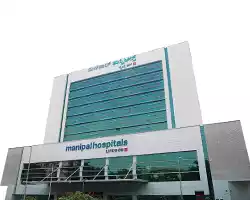
Old Airport Road - Bengaluru
-
.webp)
Mysuru
-
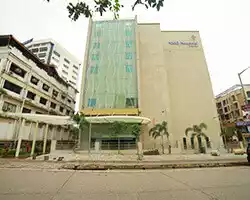
Mangaluru
-
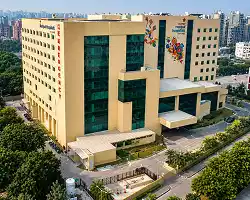
Dwarka - Delhi NCR
-
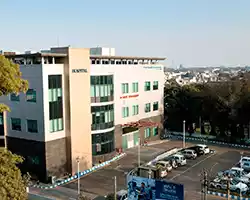
Patiala
-
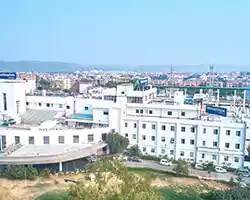
Jaipur
-
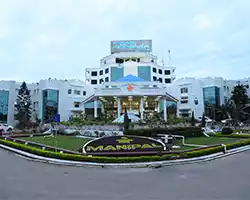
Vijayawada
-
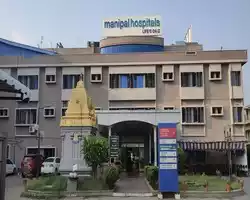
Salem
-
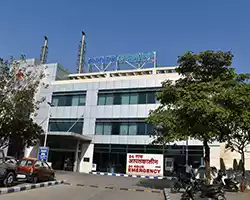
Kharadi - Pune
-
Salt Lake - Kolkata
-

Bhubaneswar
-

Siliguri
-

Ranchi
How It Works
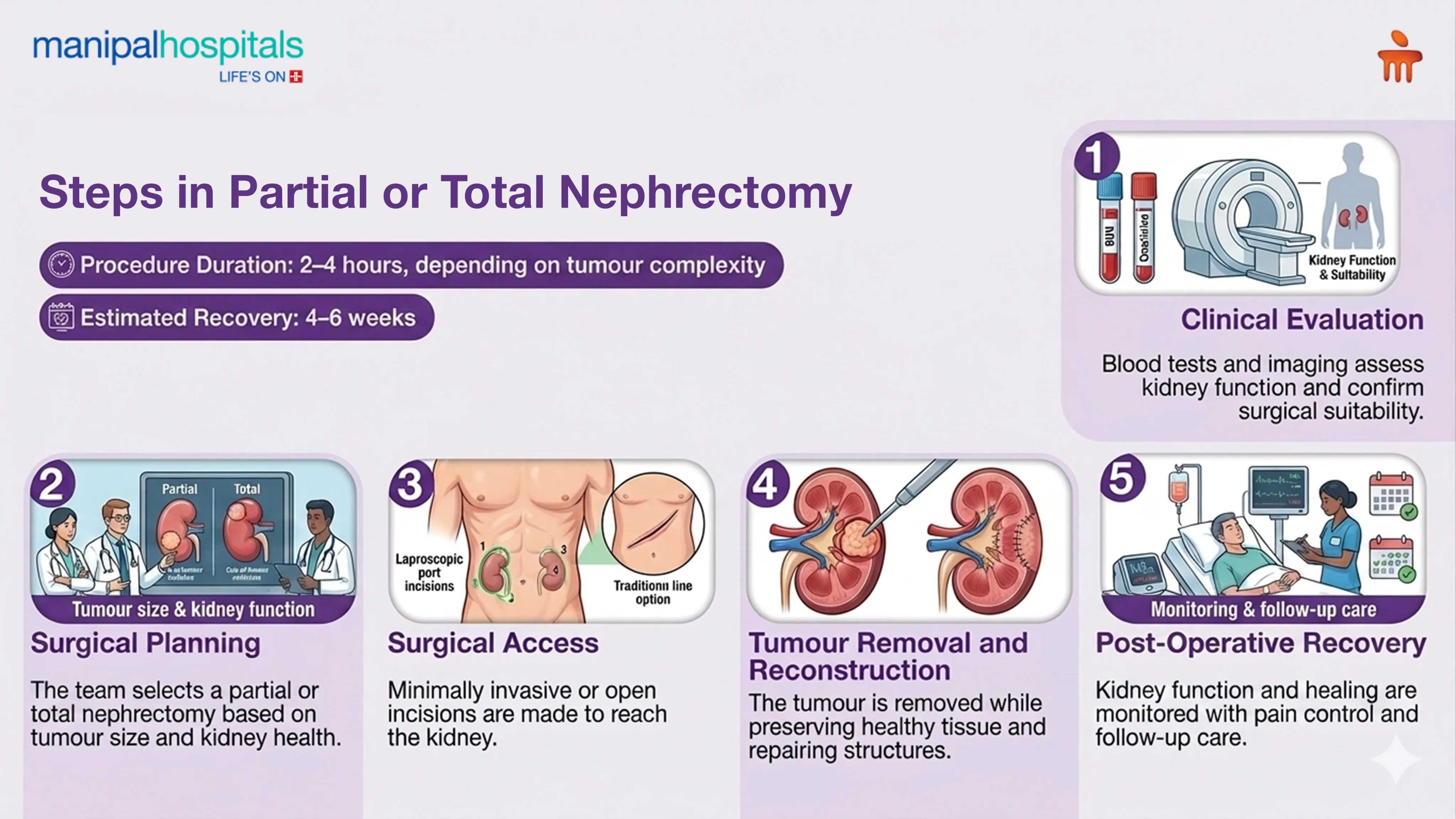
Manipal Hospitals approaches robotic partial nephrectomy in India through a precise, coordinated, and carefully guided surgical process. This approach supports patient safety and aims to preserve as much healthy kidney tissue as possible.
Before the procedure, patients undergo a detailed evaluation that includes blood tests, urine analysis, high-resolution imaging, and kidney function assessment. Urologists review the size, position, and nature of the tumour to determine whether a partial or total nephrectomy is most appropriate. Pre-operative preparation includes medication review, hydration planning, and anaesthesia assessment. Patients also receive guidance on fasting, activity restrictions, and what to expect on the day of surgery.
During the procedure, surgeons use minimally invasive or robotic techniques to access the kidney through small incisions. The tumour is carefully removed while preserving surrounding healthy tissue to maintain long-term kidney function. Robotic systems enhance precision, provide improved visualisation, and allow finer control during tissue removal and reconstruction. Anaesthetists and surgical teams continuously monitor vital parameters to ensure stability throughout the operation.
After the procedure, patients are monitored for kidney function, urine output, blood pressure, and wound healing. Pain control, early mobilisation, and breathing exercises support safe and steady recovery.
Didn’t find what you were looking for?
Request a CallbackBenefits
Patients receive precise, safe, and well-coordinated surgical care that focuses on preserving healthy kidney function and ensuring a smooth recovery.
-
Preservation of maximum healthy kidney tissue
-
Reduced blood loss with advanced surgical techniques
-
Smaller incisions and faster post-operative recovery
-
Lower risk of complications with minimally invasive methods
-
Enhanced precision through robotic assistance
-
Shorter hospital stay and quicker return to daily routines
What to Expect
Consultation and diagnosis
The process begins with a detailed evaluation. Urologists assess medical history, kidney function, tumour size, and imaging findings such as CT or MRI scans.
Pre-operative preparation
Patients receive clear instructions on fasting, medication adjustments, hydration, and lifestyle changes before surgery. Anaesthesia evaluation, blood tests, and consent procedures are completed.
Surgery day
On the day of the procedure, patients are prepared in the operating room. Surgeons use minimally invasive or robotic techniques to access the kidney through small incisions. The tumour is removed with precision while preserving surrounding healthy tissue
Recovery room monitoring
After surgery, patients are shifted to a monitored recovery unit. Kidney function, urine output, blood pressure, and wound healing are assessed regularly. Pain control and early mobilisation begin during this stage.
Hospital stay
Most patients stay for a few days. Fluid intake, diet progression, wound care, and activity guidance are closely supervised.
Physical therapy
Light movement, breathing exercises, and mobility training help prevent stiffness and support healing.
Follow-up appointments
Reviews focus on kidney function, imaging findings, medication needs, and overall recovery progress.
Why Manipal Hospitals?
Manipal Hospitals is recognised for its advanced urological care, experienced surgical teams, and structured approach to managing kidney tumours requiring partial or total nephrectomy. The hospital is equipped with modern imaging systems, high-precision surgical tools, and dedicated operating theatres designed to support safe and minimally invasive procedures. Each patient undergoes a detailed assessment to ensure that the chosen surgical approach preserves maximum healthy kidney tissue while maintaining overall functionality.
The surgical team includes skilled urologists, robotic surgeons, anaesthetists, renal specialists, and critical care nurses who work together throughout the treatment pathway. Continuous monitoring, sterile environments, and well-defined clinical protocols support safe surgical performance and reduce the risk of complications. Post-operative care is strengthened by structured recovery planning, early mobilisation support, and close observation of kidney function.
Patients also benefit from clear communication, pre-surgery counselling, and consistent follow-up after discharge. Nutritional guidance and lifestyle recommendations ensure long-term kidney health.
Centre of Excellence
The Urology Department at Manipal Hospitals provides specialised care for patients requiring partial or total nephrectomy. The department is led by experienced urologists, robotic surgeons, anaesthetists, and renal care teams who manage both simple and complex kidney tumours. Advanced imaging and dedicated operating theatres support precise tumour removal and kidney preservation.
Services Offered
Patients receive comprehensive surgical and renal support designed to ensure safe treatment and effective kidney preservation during partial or total nephrectomy.
-
Detailed urological evaluation and imaging
-
Surgical planning for partial or total nephrectomy
-
Minimally invasive and robotic surgical options
-
Tumour removal with kidney-preserving techniques
-
Intra-operative monitoring by specialised teams
-
Post-operative pain management and early mobilisation
Facilities & Services
Patients have access to advanced surgical and renal facilities designed to support safe, precise, and well-coordinated nephrectomy care.
-
High-resolution CT, MRI, and ultrasound systems
-
Dedicated urology operating theatres
-
Robotic and minimally invasive surgical platforms
-
Advanced anaesthesia and monitoring equipment
-
Post-operative high-dependency recovery units
-
On-site laboratory and renal function testing
-
Skilled nursing and infection-control support
Frequently Asked Questions
A partial nephrectomy removes only the tumour and preserves the remaining healthy kidney tissue. It is recommended when the tumour is small, localised, and suitable for kidney-sparing surgery, helping maintain overall kidney function.
Most patients recover within four to six weeks. Minimally invasive or robotic methods usually allow faster mobility, less discomfort, quicker healing, and a shorter hospital stay compared to traditional open surgery.
In most cases, kidney function remains stable because only the tumour is removed. The remaining kidney tissue compensates well, especially when the procedure preserves as much healthy tissue as possible.
Robotic techniques offer enhanced precision, reduced blood loss, and smaller incisions. They are often preferred for complex or delicate tumours, but suitability depends on tumour size, location, and patient health.
At Manipal Hospitals, patients undergoing partial nephrectomy in India receive evaluation, imaging, and surgical planning. It is followed by tumour removal, post-operative monitoring, pain management, and follow-up assessments to track kidney function and long-term healing.
Consult our Experts



You’re on Our Indian Website
Visit the Global site for International patient services
'Click' to chat with us
