
Orthotopic Heart Transplant
Manipal Hospitals provides orthotopic heart transplant in India for patients with complex heart conditions. As a recognised centre for heart care, the hospital offers detailed evaluation and expert surgical planning. Modern cardiac support systems are used to ensure safe treatment and optimal outcomes. The transplant team reviews heart function, medical history, organ suitability, and overall readiness before proceeding. With structured monitoring, well-equipped critical care units, and clear post-operative guidance, Manipal Hospitals supports patients through every stage of the transplant process.
Hospital Locations
-

Old Airport Road - Bengaluru
-
.webp)
Mysuru
-

Mangaluru
-
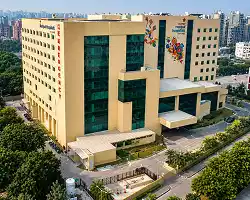
Dwarka - Delhi NCR
-

Patiala
-

Jaipur
-

Vijayawada
-

Salem
-

Salt Lake - Kolkata
-

Baner - Pune
-

Bhubaneswar
-

Siliguri
-

Ranchi

How It Works
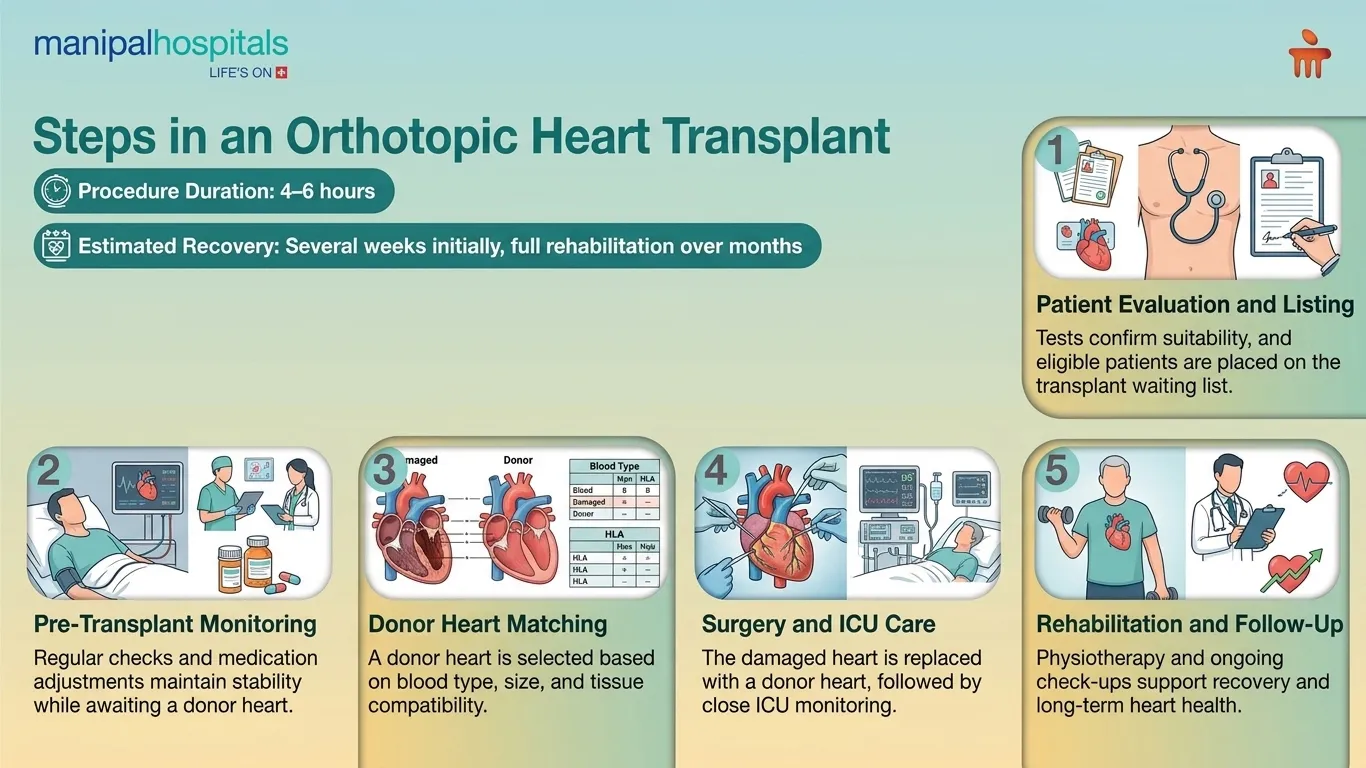
An orthotopic heart transplant is a carefully planned procedure in which a failing heart is replaced with a healthy donor heart. At Manipal Hospitals, the process begins with a detailed evaluation. This includes cardiac tests, organ function assessment, and review of medical history. These assessments help determine whether the patient is suitable for orthotopic heart transplant treatment in India.
Once approved, the patient is placed on the transplant waiting list. During this period, the medical team monitors heart function, medication response, and overall stability. Patients also receive guidance on lifestyle management, infection control, and emergency preparedness.
When a compatible donor heart becomes available, the surgical team prepares the patient for the procedure. The diseased heart is removed, and the donor heart is implanted, followed by careful connection of major vessels. The surgery is performed using advanced cardiac support systems to ensure stability throughout the operation.
After surgery, the patient is shifted to a specialised intensive care unit for close monitoring. Vital signs, heart rhythm, and early recovery indicators are reviewed regularly. Immunosuppressive medications are started to prevent rejection. As recovery progresses, patients receive physiotherapy, nutrition guidance, and structured follow-up plans.
Didn’t find what you were looking for?
Request a CallbackBenefits
Manipal Hospitals provides structured, safe, and well-coordinated care for patients undergoing orthotopic heart transplant procedures. Benefits include:
-
Skilled transplant surgeons with multidisciplinary support.
-
Comprehensive evaluation to ensure treatment suitability.
-
Modern cardiac theatres are equipped for complex surgery.
-
Advanced cardiac support and monitoring systems.
-
Strong immunosuppression management protocols.
-
Continuous ICU observation after surgery.
-
Personalised rehabilitation plans.
What to Expect
Consultation and diagnosis
Patients begin with a detailed cardiac evaluation that includes imaging, blood tests, and assessment of heart function. The team explains the suitability and risks. They also describe the steps involved in orthotopic heart transplant treatment in India.
Pre-operative preparation
Patients receive guidance on medications, nutrition, lifestyle restrictions, infection prevention, and required investigations.
Surgery day
Once a compatible donor heart is available, the patient is admitted for surgery. The team completes safety checks, prepares the chest area, and begins the transplant process.
Recovery room monitoring
After surgery, patients are shifted to a specialised ICU where vital signs, heart rhythm, oxygen levels, and early rejection indicators are closely monitored.
Hospital stay
Patients remain under observation for several days to weeks. Medications are adjusted, wounds are reviewed, and instructions on early movement and breathing exercises are provided.
Physical therapy
Physiotherapists assist with safe mobilisation, breathing exercises, and gradual strengthening to support heart and lung recovery.
Follow-up appointments
Regular reviews help assess heart function, adjust immunosuppressive medicines, and monitor healing.
Long-term recovery
Patients receive detailed guidance on lifestyle changes, diet, infection control, and long-term medication plans to maintain heart health and prevent rejection.
Why Manipal Hospitals?
Manipal Hospitals is recognised for its strong expertise in managing complex cardiac conditions and performing high-risk procedures such as orthotopic heart transplants. The hospital’s cardiac team includes experienced transplant surgeons, cardiologists, intensivists, and rehabilitation specialists who work together to deliver safe patient care. Over the years, Manipal Hospitals has strengthened its transplant programme by introducing advanced cardiac support systems. The hospital has also refined surgical protocols and enhanced infection-control practices to improve patient outcomes.
The hospital provides a comprehensive evaluation before listing patients for transplant, ensuring each case is reviewed thoroughly for suitability and long-term success. During the transplant journey, patients receive continuous monitoring supported by specialised cardiac ICUs and dedicated nursing teams trained in transplant care.
Rehabilitation experts assist patients in regaining mobility and confidence through personalised recovery plans. Regular follow-up appointments ensure ongoing heart-function assessment and long-term stability. Manipal Hospitals is committed to providing safe heart transplant procedures.
Centre of Excellence
The Cardiothoracic Surgery Department offers specialised surgical management for patients with severe heart failure and end-stage cardiac conditions. The team includes experienced transplant surgeons, cardiologists, intensivists, and cardiac anaesthetists. Advanced diagnostic tools, state-of-the-art imaging, and fully equipped transplant operating theatres ensure precise and safe surgical planning. Dedicated cardiac ICUs and rehabilitation teams provide continuous monitoring.
Services Offered
Manipal Hospitals provides a comprehensive range of services to support patients undergoing orthotopic heart transplant evaluation, surgery, and recovery.
Services include:
-
Advanced cardiac assessment and diagnostic testing
-
Transplant suitability evaluation
-
Donor matching and coordination
-
Pre-transplant optimisation and monitoring
-
Orthotopic heart transplant surgery
-
Specialised cardiac ICU care
-
Immunosuppression management
-
Cardiac rehabilitation and physiotherapy
Facilities & Services
Manipal Hospitals offers advanced facilities designed to support safe and efficient heart transplant care. The cardiac units are equipped with modern monitoring systems and specialised infrastructure to manage complex conditions.
Key facilities and services include:
-
Advanced cardiac imaging and diagnostics
-
State-of-the-art transplant theatres
-
Dedicated cardiac ICUs
-
24/7 cardiac monitoring systems
-
Sterile operating environments
Frequently Asked Questions
Patients with end-stage heart failure, severe cardiomyopathy, or irreversible heart damage that does not respond to medication or devices may require a transplant. Suitability is determined after a detailed cardiac evaluation and assessment by the transplant team.
Initial recovery usually takes several weeks, followed by gradual rehabilitation over the next few months. Patients attend regular follow-up visits to monitor heart function, medication response, and early signs of rejection.
Most patients typically remain in the hospital for two to three weeks. This period includes ICU monitoring, careful medication adjustment, wound assessment, rehabilitation support, multidisciplinary care, and structured early recovery supervision.
Risks may include rejection, infection, bleeding, or complications related to immunosuppressive medicines. Continuous monitoring, timely intervention, patient education, and early medical management help manage these risks effectively during the recovery period.
At Manipal Hospitals, patients receiving an orthotopic heart transplant in India undergo evaluation, waiting-list placement, transplant surgery, ICU care, immunosuppression management, and long-term monitoring. Each stage is closely supervised to ensure safety and stability.
Consult our Experts



You’re on Our Indian Website
Visit the Global site for International patient services
'Click' to chat with us
