
Nerve Repair
Manipal Hospitals is recognised for providing some of the best nerve treatment in India, especially for complex nerve repair. Experienced neurosurgeons and hand surgery specialists manage peripheral nerve and brachial plexus injuries using microsurgery, nerve grafting, and decompression procedures. Patients receive coordinated evaluation, imaging, surgery, and rehabilitation within advanced neurosurgery units. This structured, safety-focused approach helps restore movement, sensation, and daily function. Early intervention, precise repair, and structured follow-up help optimise long-term nerve healing and functional recovery.
Hospital Locations
-
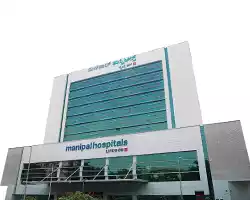
Old Airport Road - Bengaluru
-
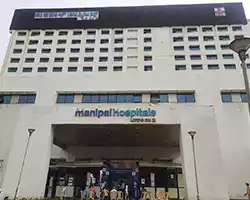
Whitefield - Bengaluru
-

Jayanagar - Bengaluru
-

Malleshwaram - Bengaluru
-
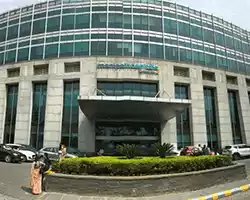
Yeshwanthpur - Bengaluru
-

Hebbal - Bengaluru
-
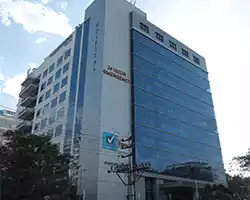
Sarjapur Road - Bengaluru
-
Varthur Road - Whitefield - Bengaluru
-

Doddaballapur - Bengaluru
-
Millers Road - Bengaluru
-
.webp)
Mysuru
-
Mangaluru
-
Dwarka - Delhi NCR
-

Gurugram - Delhi NCR
-
Ghaziabad - Delhi NCR
-
Patiala
-
Jaipur
-
Vijayawada
-
Salem
-
Kharadi - Pune
-
Salt Lake - Kolkata
-
Baner - Pune
-
Dhakuria - Kolkata
-
Mukundapur - Kolkata
-
Broadway - Kolkata
-

Bhubaneswar
-
Kanakapura Road - Bengaluru
-
EM Bypass - Kolkata
-
Siliguri
-
Yelahanka - Bengaluru
-
Rangapani
-
Ranchi
How It Works
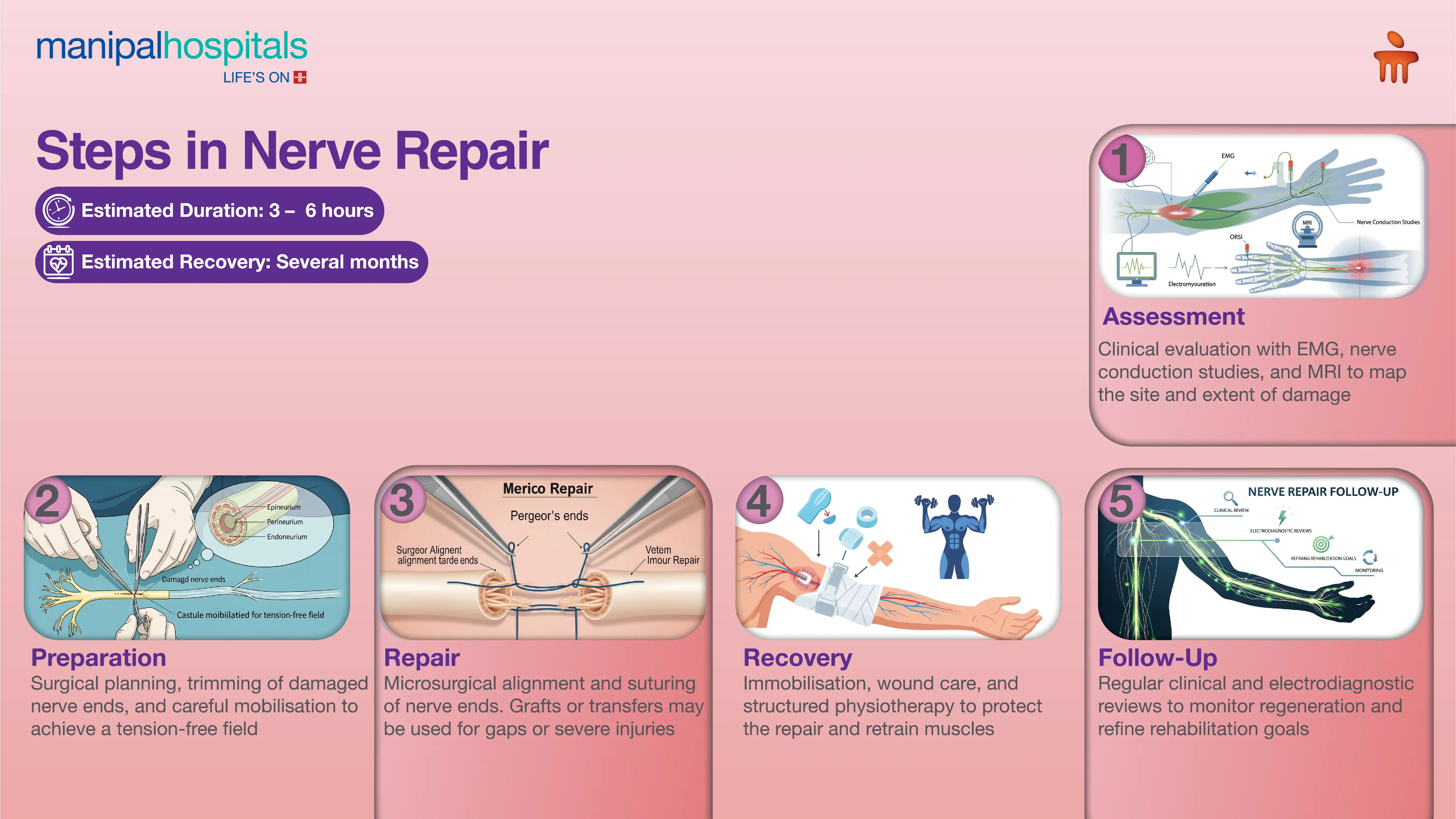
Nerve repair at Manipal Hospitals begins with a thorough assessment to define the extent and pattern of damage. Doctors review trauma history or symptoms, then perform a neurological exam. Diagnostic tests may include EMG, nerve conduction studies, ultrasound, and MRI scans. These investigations help identify whether the nerve is bruised, stretched, cut, or compressed.
If surgery is recommended, surgeons plan the incision, exposure, and repair strategy. Intraoperatively, they trim damaged nerve ends, release surrounding scar tissue, and gently mobilise the nerve. Under an operating microscope, the nerve ends are carefully aligned. They are sutured with very fine stitches to achieve tension-free, accurate coaptation.
When a gap remains, nerve grafts from donor sites or nerve transfers help bridge the defect, creating a channel for regenerating fibres. After closure, the limb is immobilised in a functional position. Post-operatively, pain control, wound care, and splinting are provided. Physiotherapy supports nerve regeneration. It also aids the gradual return of movement and sensation as part of comprehensive nerve treatment in India.
Didn’t find what you were looking for?
Request a CallbackBenefits
Choosing nerve repair at Manipal Hospitals offers several benefits:
-
Restoration of muscle strength and sensation in affected limbs.
-
Reduction of chronic pain from nerve compression or injury.
-
Improved hand and limb function for daily independence.
-
Smaller incisions and reduced scarring with microsurgical techniques.
-
Coordinated rehabilitation to support a safer and faster return to activities.
What to Expect
Consultation and diagnosis
Doctors review history and examine the limb. EMG, nerve conduction studies, and MRI are used to map the injury and plan treatment.
Pre-operative preparation
Blood tests, anaesthesia review, medication checks, and counselling on fasting, limb protection, and hospital stay are completed.
Surgery day
Under anaesthesia, surgeons perform microsurgical nerve repair, grafting, or decompression using magnification. Nursing staff support safe positioning and handle peri-operative documentation related to nerve treatment.
Recovery room monitoring
Vital signs, circulation, and dressings are checked closely. Pain control, limb elevation, and splint protection begin immediately.
Hospital stay
Patients receive wound care, splint adjustments, and supervised movement of unaffected joints. Doctors monitor early signs of nerve recovery.
Physical therapy
Physiotherapists guide graded exercises, sensory retraining, and programmes to maintain flexibility and prevent stiffness as nerves regenerate.
Follow-up appointments
Scheduled reviews assess strength, sensation, and functional use. Investigations, if needed, track progress and refine the rehabilitation plan.
Long-term recovery
Rehabilitation continues for months, with workplace advice, ergonomic guidance, and self-care strategies to support sustained improvement.
Why Manipal Hospitals?
Manipal Hospitals is a trusted centre for complex nerve repair, bringing together experienced neurosurgeons, plastic and hand surgeons, neurologists, and rehabilitation specialists. Neurosurgery units are equipped with operating microscopes, advanced imaging, nerve monitoring, and dedicated intensive care support.
Over the years, the hospital has managed a wide spectrum of peripheral nerve and brachial plexus injuries, including post-traumatic and iatrogenic cases. Structured clinical pathways guide patients from diagnosis and surgical planning to rehabilitation and long-term follow-up. Emphasis remains on precision, safety, and functional recovery, making the hospital a reliable choice for advanced nerve treatment in India. Teams work closely with patients and families to set realistic goals and track progress over time.
Centre of Excellence
The Neurosurgery Department at Manipal Hospitals manages a broad range of nerve repair procedures. Specialists evaluate peripheral nerve injuries, brachial plexus lesions, and complex entrapment neuropathies using advanced diagnostics. Tailored surgical plans, microsurgical repair, and coordinated rehabilitation aim to restore function and reduce pain. They also work to improve the quality of life for patients requiring nerve treatment.
Services Offered
Manipal Hospitals offers a wide range of services for nerve repair and reconstruction, including:
-
Microsurgical repair of cut or stretched peripheral nerves.
-
Brachial plexus exploration, reconstruction, and nerve transfers.
-
Nerve decompression procedures for entrapment syndromes.
-
Management of neuromas, scar-related nerve pain, and revision surgery.
-
Electrophysiological testing and post-operative rehabilitation programmes will be performed.
Facilities & Services
Manipal Hospitals supports nerve repair with specialised facilities and integrated services:
-
Microsurgical theatres with operating microscopes and fine instruments.
-
Advanced imaging, including MRI, ultrasound, and intraoperative guidance.
-
Neurosurgery intensive care units for post-operative monitoring.
-
Physiotherapy and occupational therapy areas for rehabilitation.
-
Multidisciplinary clinics linking neurosurgery, neurology, pain services, and rehabilitation.
Frequently Asked Questions
Peripheral nerve injuries often follow cuts, fractures, joint dislocations, or high-velocity accidents. Repetitive strain and compression syndromes, such as carpal tunnel, can also damage nerves and lead to pain, weakness, or numbness.
Nerve fibres generally regenerate at about 1 mm per day, although rates vary. Recovery may take many months, depending on the distance to the target muscles, associated injuries, age, and regular physiotherapy.
Surgery is usually advised for clean-cut nerve injuries, nerves trapped in scar tissue, or persistent deficits. Certain stretch or crush injuries are observed for a period before deciding whether repair is required.
After surgery, the limb is usually immobilised in a splint or cast. Pain control, wound care, and swelling management are prioritised. Physiotherapists then introduce graded exercises and sensory retraining as nerves reconnect with muscles.
Nerve repair uses microsurgery to reconnect or graft damaged nerves. Advanced techniques ensure precision and optimal outcomes, forming part of the comprehensive care available as the best nerve treatment in India.
Consult our Experts



You’re on Our Indian Website
Visit the Global site for International patient services
'Click' to chat with us
