
Living/Deceased Donor Liver Transplantation
Manipal Hospitals offers advanced living donor liver transplant in India for patients with severe liver failure. The hospital offers comprehensive evaluation, coordinated donor–recipient care, and modern surgical support. Skilled transplant teams perform both living and deceased donor procedures with a focus on safety, precision, and long-term recovery. Manipal Hospitals, located across major Indian cities, provides structured care for liver conditions from diagnosis to rehabilitation. This approach helps patients achieve better liver function, supports overall health, and improves quality of life.
Hospital Locations
-

Old Airport Road - Bengaluru
-
.webp)
Mysuru
-

Mangaluru
-
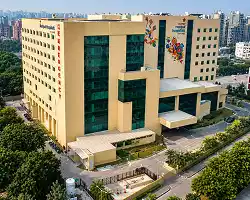
Dwarka - Delhi NCR
-

Patiala
-

Jaipur
-

Vijayawada
-
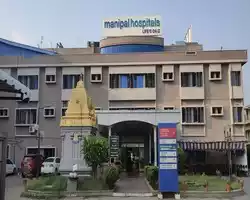
Salem
-
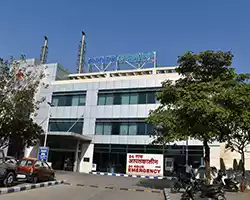
Kharadi - Pune
-

Bhubaneswar
-

Siliguri
-

Ranchi

How It Works
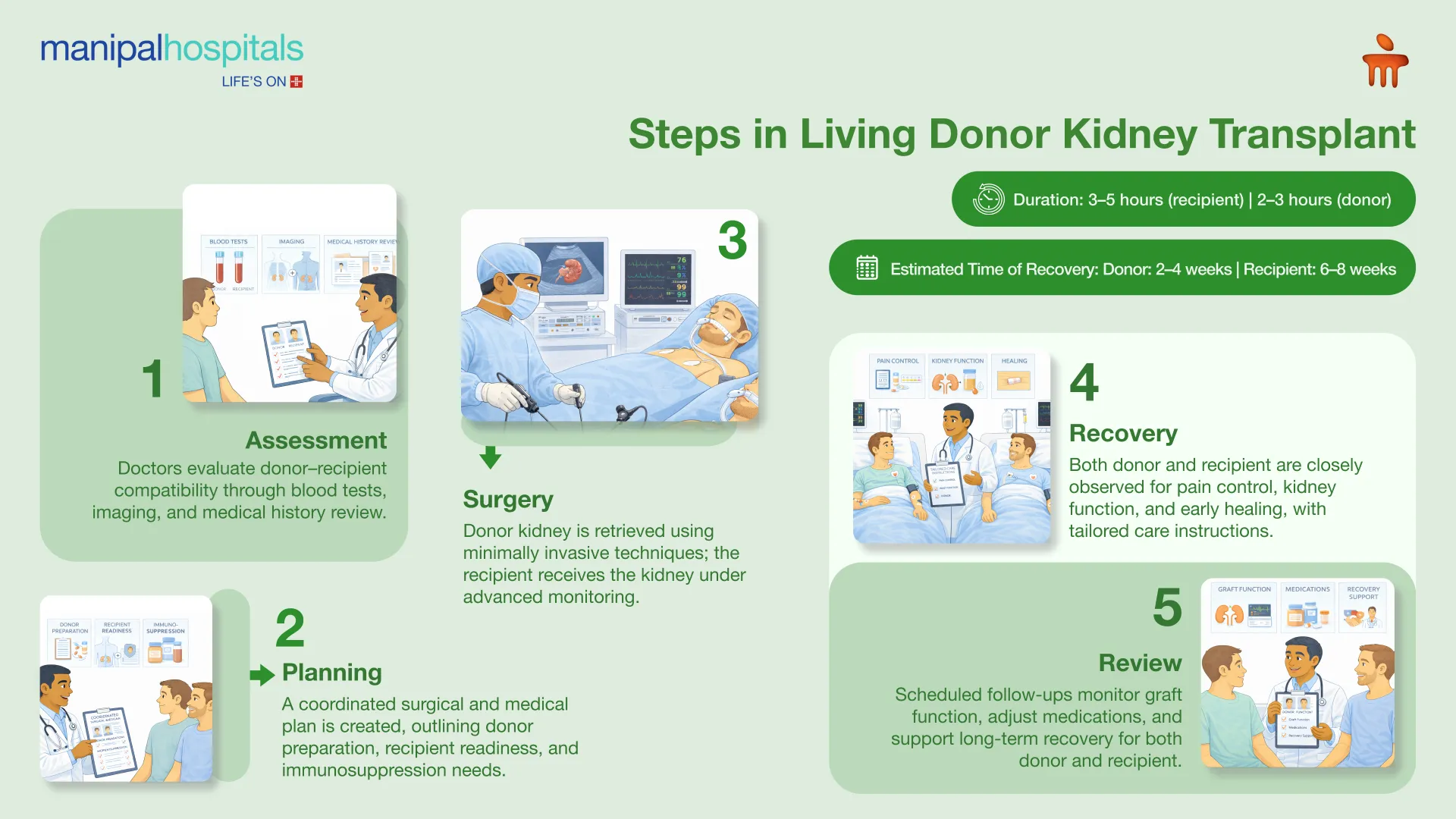
The liver transplant programme at Manipal Hospitals follows a structured, multi-step process to ensure safe and coordinated care. Patients undergo a detailed assessment to understand liver disease severity and determine transplant suitability. Donors and recipients then receive a multidisciplinary evaluation, including blood tests, imaging, and compatibility checks for safe decision-making.
Specialists provide counselling on procedure steps, expected outcomes, and long-term care needs. The surgical phase involves removing a part of the liver from a healthy donor or using a full organ from a deceased donor. Surgeons implant the donor liver tissue with microsurgical precision, ensuring stable graft function.
After surgery, patients receive intensive monitoring in specialised units. The medical team begins immunosuppressive therapy to prevent graft rejection and reduce complications. Rehabilitation, nutritional care, and step-wise recovery support are provided to improve patient strength.
Long-term follow-up includes monitoring liver function, medication management, and infection prevention. The programme offers clear guidance for families considering a live donor liver transplant, ensuring clarity and reassurance during each stage of care.
Didn’t find what you were looking for?
Request a CallbackBenefits
Choosing Manipal Hospitals for comprehensive liver transplantation offers:
-
Skilled transplant teams supported by a multidisciplinary network
-
Step-wise donor and recipient evaluation
-
Modern surgical suites and advanced critical care units
-
Comprehensive post-transplant monitoring
-
Rehabilitation services for strength and mobility
-
Personalised nutrition guidance
-
Long-term recovery support to maintain graft health and overall well-being
What to Expect
Consultation and Diagnosis
Patients undergo a detailed assessment of liver disease, including blood tests and imaging. Specialists guide donor–recipient matching, evaluate compatibility, discuss surgical goals, outline risks, and answer patient queries.
Pre-operative Preparation
Before surgery, comprehensive investigations are completed, including laboratory tests, imaging scans, and anaesthesia review. Patients receive clear instructions on fasting, hygiene, and medication adjustments to ensure optimal readiness for the procedure.
Surgery Day
Liver transplantation involves coordinated donor and recipient procedures. Surgeons perform partial graft retrieval for a live donor liver transplant or use a deceased donor organ when appropriate. Precise implantation techniques help support optimal graft function and stable outcomes.
Recovery Room Monitoring
After surgery, patients are monitored in specialised transplant units. Vital signs and liver function are closely assessed, with careful pain management and initiation of early rehabilitation steps.
Hospital Stay
Patients remain under observation to detect early signs of infection or rejection. The team supports mobilisation, nutritional stabilisation, and gradual recovery.
Follow-Up Appointments
Regular follow-ups focus on medication adjustments, graft health evaluation, and monitoring of immunosuppressive levels.
Why Manipal Hospitals?
Manipal Hospitals is a trusted centre for liver transplantation, offering coordinated care supported by experienced transplant teams and advanced surgical infrastructure. The hospital follows established transplant pathways developed through years of clinical experience. Modern operating theatres, high-dependency units, and integrated diagnostics support each stage of care.
Patients and families receive structured counselling, nutritional support, and psychological guidance during their recovery journey. Continuous improvements in technology and surgical training help the hospital maintain strong transplant capabilities. Manipal Hospitals ensures safe donor evaluation and precise liver implantation. The hospital also provides long-term monitoring, making it a dependable choice for complex procedures such as live donor liver transplant in India.
Centre of Excellence
The Liver Transplant Department at Manipal Hospitals provides deceased donor transplants and live donor liver transplant in India. They manage evaluation, surgical transplantation, and long-term care for liver failure patients. The multidisciplinary team coordinates donor and recipient assessments, ensuring safe procedures and recovery. Continuous follow-up and rehabilitation support help maintain graft health and improve patient well-being.
Services Offered
Manipal Hospitals provides a wide range of transplant services, including:
-
Living donor liver transplantation
-
Deceased donor liver transplantation
-
Donor–recipient evaluation with advanced imaging
-
Immunosuppressive therapy guidance
-
Structured post-transplant rehabilitation
-
Long-term monitoring to support stable graft function and general health.
These services ensure coordinated care, safer recovery, and improved transplant outcomes.
Facilities & Services
Manipal Hospitals in India provides advanced facilities and services for patients seeking transplantation, including:
-
Modern operating theatres equipped for microsurgical procedures
-
Specialised transplant ICUs for close postoperative monitoring
-
Integrated imaging and laboratory diagnostic services
-
Organ preservation and monitoring technology
-
Multidisciplinary counselling and care coordination
-
Physiotherapy, nutrition, and psychosocial support to aid recovery
Frequently Asked Questions
A living donor transplant uses a healthy donor’s liver segment to replace the damaged portion in a patient with liver failure. The donor’s liver naturally regenerates to near-normal size after surgery, while the recipient’s new graft gradually restores liver function.
A living donor provides a portion of their liver, while a deceased donor offers a whole organ. Specialists determine the most suitable option based on the patient’s medical condition, disease severity, and overall safety to ensure the best possible outcome.
Patients typically begin with intensive monitoring in a specialised transplant unit before gradually shifting to recovery wards. The length of stay varies depending on graft stability, healing progress, infection control, and the patient’s overall health during the postoperative recovery period.
Healthy adults with a compatible blood type and adequate liver volume may be considered as donors. Doctors conduct thorough assessments of physical fitness, liver health, and psychological readiness to ensure donor safety and suitability before approving liver donation.
Patients require regular follow-ups, careful medication monitoring, and lifestyle adjustments after transplant. Individuals undergoing a living donor liver transplant in India receive structured guidance and continued support throughout every stage of their healing journey.
Consult our Experts



You’re on Our Indian Website
Visit the Global site for International patient services
'Click' to chat with us
