
Laparoscopic Appendectomy
Manipal Hospitals offers advanced laparoscopic appendectomy in India, providing a safe and minimally invasive method for removing an inflamed appendix. The procedure is performed through small keyhole incisions using a camera-guided system that helps reduce pain, scarring, and recovery time. Supported by skilled general surgery and gastrointestinal specialities, Manipal Hospitals ensures timely and accurate treatment for appendicitis. This helps prevent complications such as perforation, abscess, or infection. Post-surgery follow-up and recovery guidance further support quick healing and a smooth return to daily activities.
Hospital Locations
-

Old Airport Road - Bengaluru
-
.webp)
Mysuru
-

Mangaluru
-
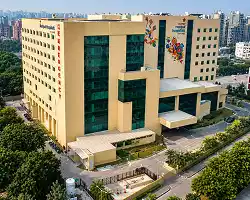
Dwarka - Delhi NCR
-

Patiala
-

Jaipur
-

Vijayawada
-

Salem
-
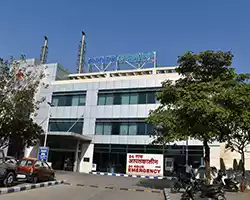
Kharadi - Pune
-

Bhubaneswar
-

Siliguri
-

Ranchi

How It Works
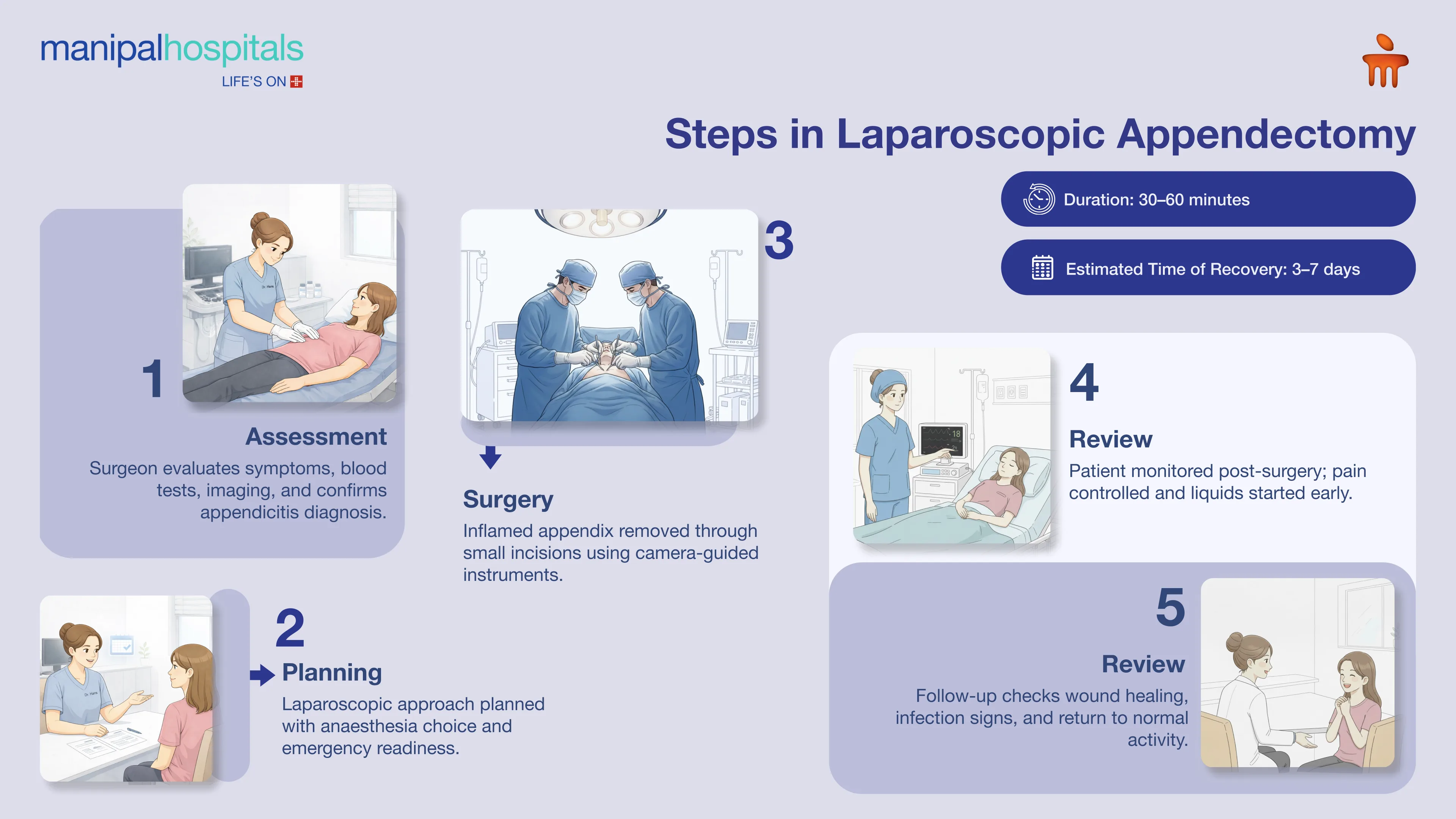
Laparoscopic appendectomy at Manipal Hospitals follows a structured, step-wise approach to ensure accurate diagnosis and safe surgical management. Care begins with clinical evaluation of abdominal pain, fever, and local tenderness. Blood tests and imaging, such as ultrasound or CT, help confirm appendicitis and guide treatment decisions. Surgeons determine suitability for a laparoscopic appendectomy procedure based on severity, symptoms, and patient health status.
Under general anaesthesia, small abdominal incisions are created to introduce a camera and fine instruments. The abdomen is gently inflated with gas to improve visibility. Surgeons identify the inflamed appendix, separate it from nearby tissues, secure the base, and remove it through one of the port sites. The abdominal cavity is cleaned to reduce infection risk, and incisions are closed with sutures or clips.
Post-operative care includes monitoring, pain control, early mobilisation, and dietary guidance. Recovery is usually smoother than open surgery, with minimal scarring and a quicker return to activities. Manipal Hospitals ensures seamless coordination, clear communication, and safe outcomes for patients choosing a laparoscopic appendectomy.
Didn’t find what you were looking for?
Request a CallbackBenefits
Patients undergoing laparoscopic appendectomy at Manipal Hospitals benefit from a modern, minimally invasive approach:
-
Smaller incisions with reduced post-operative pain
-
Faster recovery and shorter hospital stay
-
Lower chances of wound infection
-
Minimal scarring with improved cosmetic outcomes
-
Suitable for uncomplicated and many complicated appendicitis cases
-
Supports quicker return to normal activities with less discomfort
What to Expect
Consultation and Diagnosis
Patients undergo a detailed review of symptoms, abdominal examination, and imaging. Surgeons confirm appendicitis through blood tests and scans, discuss suitability for surgery, and explain goals.
Pre-operative Preparation
Before surgery, patients receive fasting guidance, intravenous fluids, and antibiotic prophylaxis. Medication history is reviewed, and anaesthesia fitness is assessed to ensure safe preparation.
Surgery Day
After admission and consent, patients are taken to the operating theatre. The laparoscopic appendectomy procedure in India is performed under general anaesthesia using small incisions, allowing precise removal of the inflamed appendix with minimal tissue disruption.
Recovery Room Monitoring
Following surgery, patients are monitored in the recovery room. Vital signs, pain levels, and postoperative symptoms such as nausea or dizziness are assessed. Medication support is offered to maintain comfort and stability.
Hospital Stay
Patients typically experience a short hospital stay with supervised recovery. Fluids and soft diets are gradually introduced. Early walking is encouraged to reduce gas-related discomfort, and comprehensive wound care instructions are provided.
Follow-ups
Surgeons review healing progress, discuss biopsy results if applicable, and evaluate any remaining symptoms. Patients are cleared for full activity, including exercise and sports, once recovery milestones are met.
Why Manipal Hospitals?
Manipal Hospitals is a trusted centre for laparoscopic appendectomy procedures in India, offering safe, efficient, and minimally invasive surgical care. With skilled laparoscopic surgeons, modern operating theatres, and strong infection-control systems, the hospital ensures timely management of appendicitis for faster recovery and reduced complications. The surgical team collaborates closely across Emergency, Anaesthesia, and General Surgery to streamline patient care.
Advanced imaging, round-the-clock monitoring, dedicated nursing, and post-operative guidance support every stage of treatment. The hospital utilises refined techniques for quick mobilisation, less pain, and better healing. With a focus on patient comfort, safety, and smooth recovery after a laparoscopic appendectomy, Manipal Hospitals remains a reliable choice for appendicitis treatment across its network.
Centre of Excellence
The General Surgery Department at Manipal Hospitals performs laparoscopic appendectomies and specialises in the management of abdominal emergencies, including appendicitis. Surgeons use minimally invasive techniques that enable safe appendix removal through small incisions and support quicker recovery. The department emphasises coordinated care, patient comfort, and organised post-operative follow-up to ensure smooth healing.
Services Offered
Key services under laparoscopic appendectomy include:
-
Clinical evaluation and diagnostic imaging to confirm appendicitis
-
Anaesthesia assessment and detailed pre-operative preparation
-
Laparoscopic removal of the inflamed appendix through small incisions
-
Cleaning of the abdominal cavity and careful wound closure
-
Post-operative pain management for comfortable recovery
-
Follow-up care with guidance on healing, activity, and return to routine tasks
Facilities & Services
Facilities supporting appendectomy at Manipal Hospitals include:
-
Modern laparoscopic operating theatres equipped for minimally invasive surgery
-
High-quality imaging and diagnostic units for accurate assessment
-
Advanced anaesthesia and recovery monitoring systems
-
Sterile surgical instruments with strong infection-control support
-
Dedicated nursing teams offering patient guidance
-
Infrastructure that supports laparoscopic appendectomy services across centres, ensuring consistent and safe care
Frequently Asked Questions
Common symptoms of appendicitis include sudden abdominal pain (often starting near the navel), fever, nausea, vomiting, and loss of appetite. Pain typically shifts to the lower right abdomen as inflammation progresses.
Yes. Laparoscopic appendectomy uses small incisions, resulting in less pain and quicker recovery. The minimally invasive approach lowers the risk of wound infection, reduces tissue trauma, and provides better cosmetic outcomes compared to traditional open surgery.
Most patients resume light activities within a few days. Full recovery varies from person to person but is typically faster with laparoscopic surgery. The smaller incisions and reduced tissue trauma support quicker healing and a smoother return to normal routines.
In some rare cases, mild appendicitis may be managed temporarily with antibiotics. However, this approach is not always reliable, and surgery remains the most definitive and effective treatment to prevent rupture, infection, or other serious complications.
The laparoscopic appendectomy procedure in India removes the inflamed appendix using a camera and fine instruments inserted through small incisions. This minimally invasive approach reduces pain, limits tissue damage, and supports faster healing with a smoother post-operative recovery.
Consult our Experts



You’re on Our Indian Website
Visit the Global site for International patient services
'Click' to chat with us
