.webp "Pediatric Kidney Transplant in India | Manipal Hospitals")
kidney transplant (pediatric)
Manipal Hospitals offers advanced care for paediatric kidney transplant in India, which ensures safe management for children with severe renal conditions. The hospital uses modern technology, dedicated transplant units, and precise protocols to support stable outcomes. Each child receives personalised attention from experienced specialists who focus on long-term kidney health and smooth recovery. The hospital’s multidisciplinary approach ensures seamless coordination throughout the evaluation, surgery, and follow-up process. Every step prioritises safety, comfort, and clinical excellence for young patients.
Hospital Locations
-

Old Airport Road - Bengaluru
-

Whitefield - Bengaluru
-

Jayanagar - Bengaluru
-

Malleshwaram - Bengaluru
-

Yeshwanthpur - Bengaluru
-

Hebbal - Bengaluru
-

Sarjapur Road - Bengaluru
-

Varthur Road - Whitefield - Bengaluru
-

Doddaballapur - Bengaluru
-

Millers Road - Bengaluru
-
.webp)
Mysuru
-

Mangaluru
-
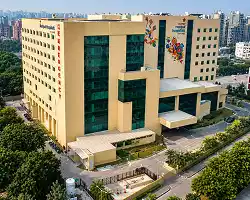
Dwarka - Delhi NCR
-

Gurugram - Delhi NCR
-
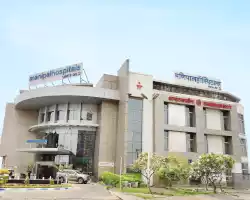
Ghaziabad - Delhi NCR
-

Patiala
-

Jaipur
-

Vijayawada
-

Salem
-
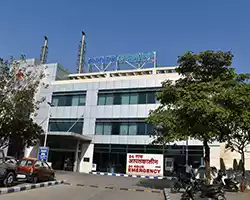
Kharadi - Pune
-

Salt Lake - Kolkata
-

Baner - Pune
-

Dhakuria - Kolkata
-

Mukundapur - Kolkata
-

Broadway - Kolkata
-

Bhubaneswar
-

Kanakapura Road - Bengaluru
-

EM Bypass - Kolkata
-

Siliguri
-

Yelahanka - Bengaluru
-
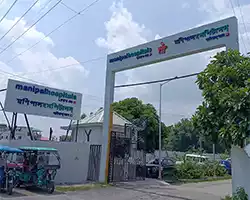
Rangapani
-

Ranchi
How It Works
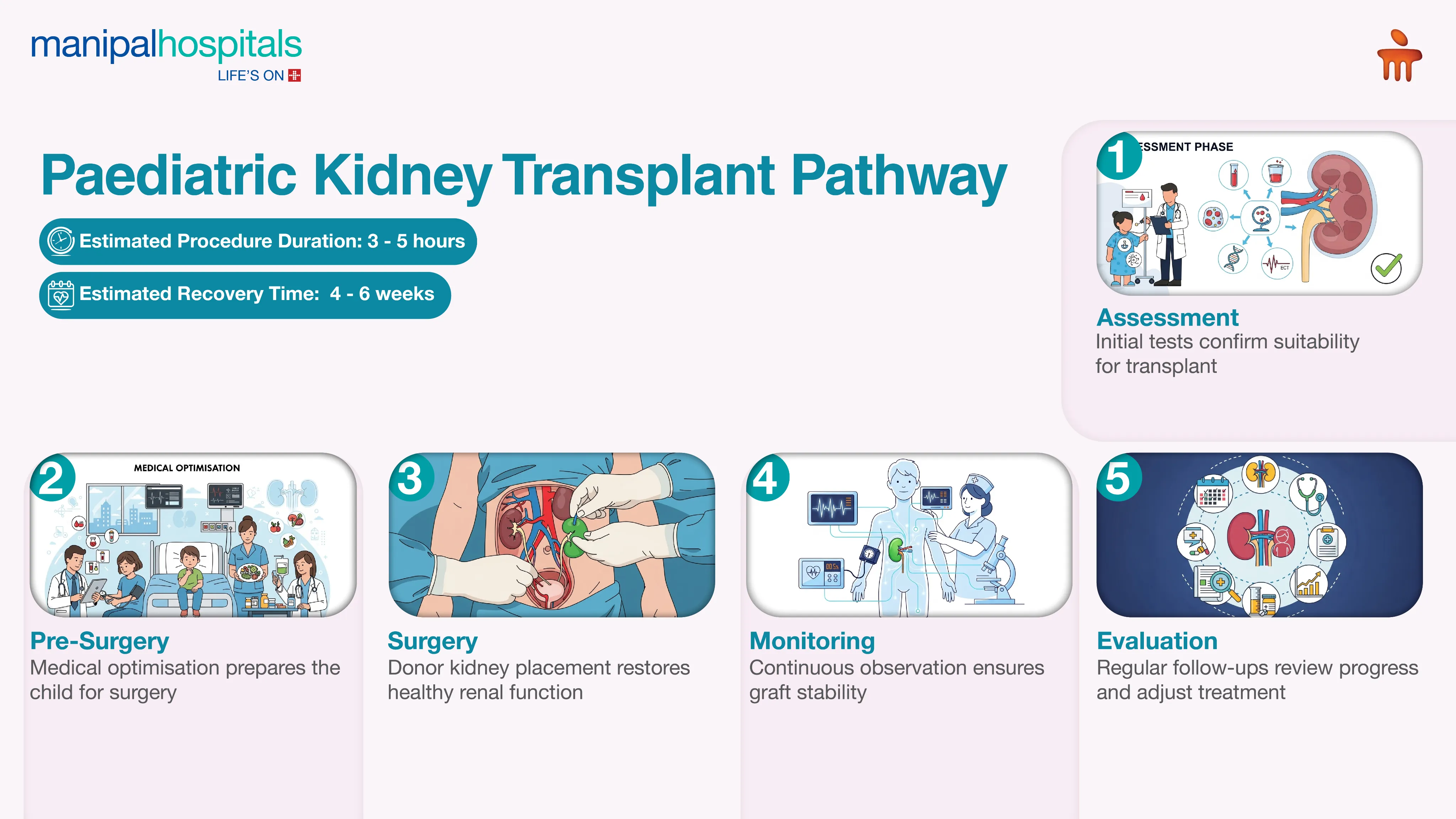
A paediatric kidney transplant involves a carefully planned process that prepares the child for successful organ replacement and long-term recovery. The journey begins with a detailed assessment that reviews the patient's medical history, growth status, and any existing health concerns. Each child undergoes blood tests, imaging studies, immunological matching, and cardiac evaluation to confirm readiness for the procedure.
Once a suitable donor kidney becomes available, the admission and pre-surgical preparation start immediately. The child receives anaesthetic evaluation, infection screening, and fluid optimisation before entering the operating theatre. During surgery, the surgeon places the healthy donor kidney in the lower abdomen and connects the blood vessels and ureter with precision.
After the procedure, the child shifts to a specialised transplant care unit for continuous monitoring. Fluid balance, pain control, and graft function are closely monitored to ensure early stability. Immunosuppressive medicines are started immediately to prevent rejection. Discharge planning includes nutrition advice, medication guidance, and scheduled follow-up visits. The process concludes with long-term management strategies for sustained wellness after kidney transplant surgery in India.
Didn’t find what you were looking for?
Request a CallbackBenefits
Manipal Hospitals provides reliable support through modern infrastructure and experienced paediatric specialists for the management of paediatric kidney transplant, such as.
-
Advanced transplant technology for precise surgical outcomes
-
Dedicated paediatric units, ensuring safe postoperative care
-
Multidisciplinary coordination for comprehensive management
-
Strong infection control practices supporting smooth recovery
-
Personalised care plans enhancing long-term kidney health
What to Expect
Consultation
Specialists evaluate the child’s health, review reports, and outline the transplant plan clearly.
Diagnostic Workup
Blood tests, imaging, and compatibility checks confirm donor suitability and medical readiness.
Pre-Surgical Planning
The team prepares detailed instructions on medicines, diet, and admission requirements.
Admission
The child settles into a monitored unit where final evaluations ensure stable surgical preparation.
Surgery
Experienced surgeons perform the transplant with precise techniques to ensure safe graft placement.
Monitoring
Post-surgery monitoring includes fluid balance assessment, graft function checks, and pain management.
Inpatient Care
Nurses and specialists supervise vital signs, wound healing, and medication response throughout the stay.
Follow-Up
Regular visits assess kidney function, adjust treatment, and support long-term stability.
Recovery
Children gradually resume daily activities under medical supervision, ensuring healthy adaptation after the procedure.
Why Manipal Hospitals?
Manipal Hospitals stands as a trusted centre for paediatric kidney transplants, which offer specialised care. The hospital maintains a strong legacy of successful outcomes supported by expert teams and modern clinical systems. Advanced transplant units, high-dependency care areas, and state-of-the-art diagnostic facilities ensure accurate evaluation and safe procedures. Specialised immunology laboratories provide precise matching that strengthens long-term graft success.
Dedicated paediatric ICUs, advanced surgical theatres, and minimally invasive technology enhance treatment quality. Continuous medical upgrades, structured infection control practices, and transparent protocols ensure safe and reliable care for young patients. Manipal Hospitals remains a preferred and dependable choice for families seeking advanced paediatric transplant solutions.
Centre of Excellence
The Paediatric Nephrology Department focuses on diagnosing and managing kidney disorders in infants, children, and adolescents. The specialist at Manipal Hospitals provides close monitoring, early intervention, and specialised care for complex renal conditions. The department ensures comprehensive evaluation, long-term follow-up, and dedicated support for children with chronic or advanced kidney diseases.
Services Offered
Manipal Hospitals offers specialised services designed to manage paediatric renal disorders with precision, such as:
-
Paediatric kidney transplants
-
Chronic kidney disease management
-
Dialysis support
-
Renal imaging and diagnostic testing
-
24/7 specialist availability
-
Post-transplant monitoring
These services ensure stable outcomes, timely intervention, and ongoing medical support for children with renal health concerns.
Facilities & Services
Manipal Hospitals offers advanced facilities to support paediatric renal care and transplant procedures, such as:
-
Modern transplant theatres
-
Dedicated paediatric ICUs
-
24/7 laboratory and imaging support
-
Specialised infection control systems
-
Family counselling and nutritional guidance
These facilities ensure a safe, monitored, and comfortable environment for children throughout treatment and recovery.
Frequently Asked Questions
Success rates remain high due to the use of improved surgical methods, robust infection control, and effective post-transplant care. Regular follow-ups, timely medication, and healthy routines support long-term graft health and stable recovery.
A hospital stay usually ranges from one to two weeks, depending on recovery and the medical stability of the child. Continuous monitoring and supportive care help ensure smooth progress before discharge.
Paediatric kidney transplant in India remains a safe option when performed at centres with experienced teams and advanced facilities. Continuous monitoring and strong infection control support reliable outcomes for young patients.
Daily routines include taking timely medicines, healthy diet choices, proper hydration, and good hygiene. Regular check-ups, activity moderation, and early reporting of symptoms help maintain graft stability and promote long-term well-being.
Matching involves blood typing, tissue compatibility tests, and cross-matching procedures. These steps ensure safe pairing, reduce rejection risks, and support long-term kidney function following transplantation in young patients.
Consult our Experts



You’re on Our Indian Website
Visit the Global site for International patient services
'Click' to chat with us
