
Hysterectomy
Manipal Hospitals provides advanced surgical care, including hysterectomy in India, for conditions such as fibroids, endometriosis, and malignancies. Depending on clinical needs, surgeons perform minimally invasive or open procedures. Preoperative planning includes specialist consultation, imaging, and anaesthesia evaluation with clear instructions on fasting and medication. After surgery, nursing teams monitor vital signs, pain, mobility, and wound healing to support recovery. Electronic documentation keeps all care providers updated, supporting seamless teamwork and enhancing patient safety and efficiency.
Hospital Locations
-

Old Airport Road - Bengaluru
-
.webp)
Mysuru
-

Mangaluru
-
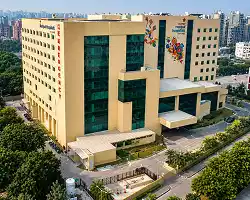
Dwarka - Delhi NCR
-

Patiala
-

Jaipur
-

Vijayawada
-

Salem
-
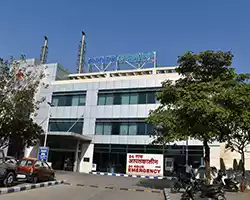
Kharadi - Pune
-

Salt Lake - Kolkata
-

Bhubaneswar
-

Siliguri
-

Ranchi
How It Works
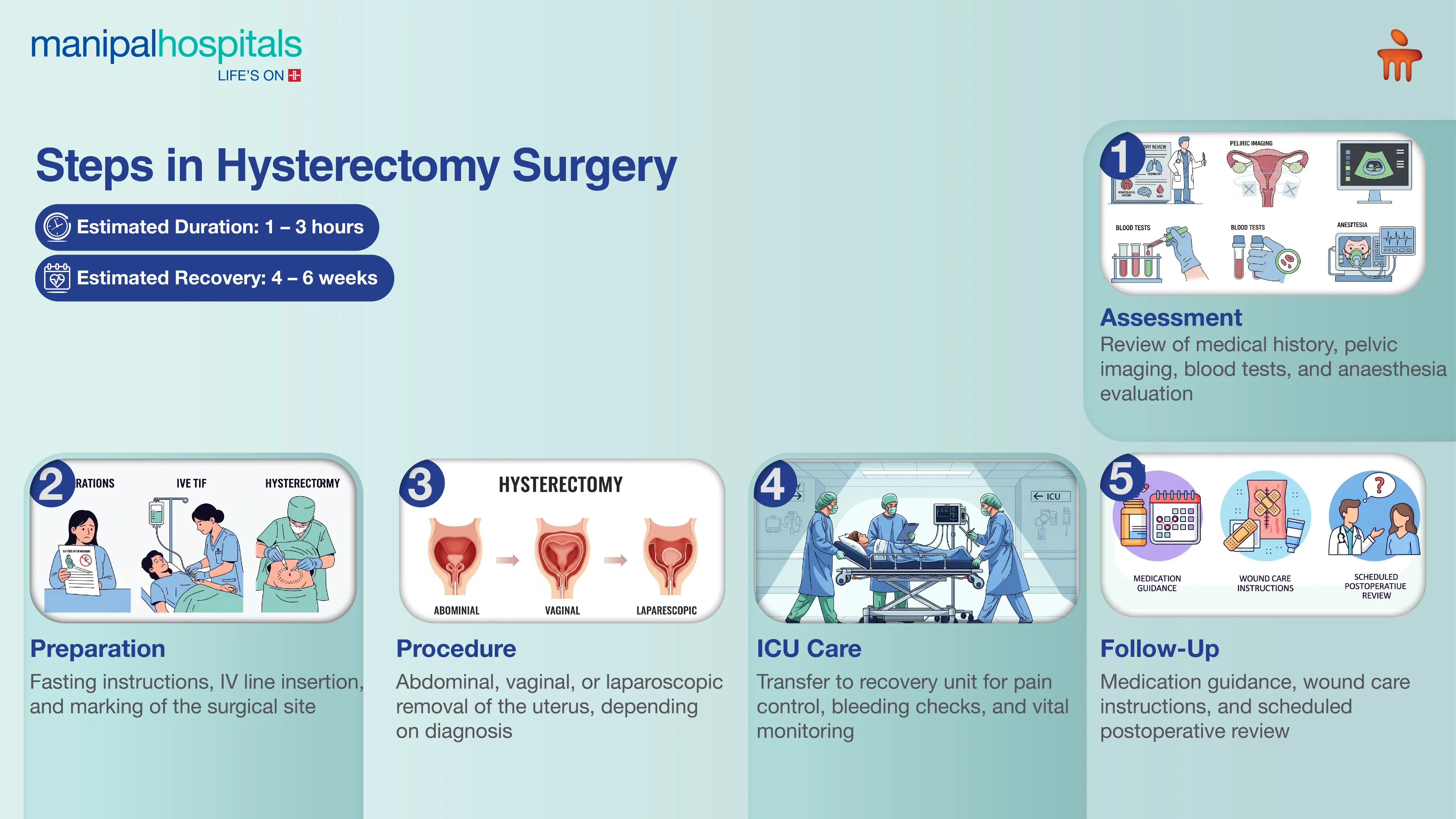
The surgical journey for Uterus Removal Surgery (Hysterectomy) in India at Manipal Hospitals begins with a detailed clinical evaluation. This includes pelvic examination, imaging, and blood tests to determine the appropriate surgical approach. After counselling and consent, the anaesthesia team assesses cardiovascular and respiratory fitness for surgery.
Procedures may be performed through abdominal, vaginal, laparoscopic, or robotic techniques based on the condition and anatomical considerations. Anaesthesia is administered before surgery begins. During the operation, surgeons carefully detach the uterus along with associated ligaments and blood vessels, preserving the ovaries when clinically suitable.
Once the uterus is removed, the incision or laparoscopic ports are sutured, and dressings are applied. After surgery, patients are shifted to recovery for pain management, ambulation support, and infection prevention. Hospital teams guide mobility, wound care, diet progression, and return-to-activity timelines. Follow-up visits track healing and ensure smooth recovery after surgery.
Didn’t find what you were looking for?
Request a CallbackBenefits
Choosing hysterectomy surgery at Manipal Hospitals provides:
-
Relief from symptoms such as fibroids, heavy bleeding, and chronic pelvic pain
-
Minimally invasive options that reduce scarring and hospital stay
-
Skilled gynaecologic surgeons ensure safe removal of affected tissue
-
Postoperative monitoring to prevent complications
-
Physiotherapy and hormonal support when needed
-
Personalised plans supporting long-term reproductive health
What to Expect
Initial Consultation
A gynaecologist assesses symptoms, medical history, and imaging findings. The doctor explains the need for surgery and the available options, such as abdominal, vaginal, or laparoscopic hysterectomy.
Pre-operative Planning
Patients receive instructions on fasting, medication adjustments, blood tests, ultrasound review, and anaesthesia assessment to ensure a surgery with minimal risks.
Day of Surgery
The patient is taken to the operating theatre, and anaesthesia is administered. The chosen surgical approach is performed with controlled removal of the uterus and careful protection of nearby tissues.
Immediate Recovery
After surgery, patients are moved to a monitored recovery area. Vital signs, bleeding control, pain management, and early mobilisation are closely supervised by the care team.
Post-Surgery Guidance
Patients receive instructions on diet progression, wound care, medication use, and symptoms that require urgent consultation.
Follow-up Visits
Scheduled reviews evaluate healing, discuss return to normal activity levels, and assess hormone management if needed to support long-term recovery.
Why Manipal Hospitals?
Manipal Hospitals is recognised as a trusted destination for Uterus Removal Surgery (Hysterectomy) in India, with skilled gynaecologic surgeons and advanced technology. The hospital provides robotic and laparoscopic systems that support precision and clinically proven outcomes. These techniques help minimise postoperative discomfort and reduce hospital stays.
Each surgery is managed by multidisciplinary teams, including anesthesiologists, gynaecologists, physiotherapists, and nursing staff, ensuring holistic perioperative care. Manipal Hospitals emphasises patient safety through stringent infection control, blood-loss monitoring, and continuous recovery assessments. Family counselling, electronic medical records, and structured discharge planning improve both patient confidence and long-term health results.
Manipal Hospitals also ensures rapid appointment scheduling, imaging access, and laboratory support for a seamless treatment experience. A dedicated follow-up system helps patients transition smoothly from surgery to complete recovery.
Centre of Excellence
The Gynaecology Department at Manipal Hospitals specialises in women’s surgical and reproductive health care. A team of experienced gynaecologists, anaesthetists, and clinical technicians provides compassionate and precise treatment. The department emphasises accurate diagnostics, safe surgical execution, and personalised recovery planning. It is supported by modern medical infrastructure and clinical supervision to achieve excellent outcomes.
Services Offered
Manipal Hospitals provides comprehensive gynaecological surgical treatments, including:
-
Abdominal, vaginal, and laparoscopic hysterectomies were performed with standardised protocols for faster recovery
-
Management of fibroids, endometriosis, pelvic pain, and adenomyosis
-
Ovarian cyst removal and pelvic floor repair to restore pelvic stability
-
Cancer-related gynaecological surgeries guided by multidisciplinary teams
-
Hormone evaluation, pain management, and structured pre- and postoperative rehabilitation
Facilities & Services
Manipal Hospitals features advanced infrastructure supporting efficient Hysterectomy, including:
-
Modern operating theatres are equipped with precision surgical technology
-
Robotic systems for minimally invasive procedures and reduced tissue trauma
-
High-resolution diagnostic imaging for accurate treatment planning
-
Dedicated recovery rooms with continuous clinical monitoring
-
Specialised nursing teams providing mobility and wound care support
Frequently Asked Questions
A hysterectomy is a surgical procedure involving the removal of the uterus to treat conditions such as fibroids, endometriosis, or cancer. It helps manage symptoms and prevent recurrence through structured medical and surgical planning.
Pain is managed using modern anaesthesia techniques and medications. Patients may experience temporary soreness, fatigue, or abdominal tightness after surgery. The team supports recovery with monitoring, mobility guidance, and postoperative care instructions.
Patients may need blood tests, imaging, and anaesthesia evaluation before surgery. Fasting, medication review, and preoperative counselling help ensure safety. Wearing comfortable clothing and arranging support for postoperative days improve the recovery experience at home.
Hysterectomy may be recommended for fibroids, abnormal heavy bleeding, uterine prolapse, chronic pelvic pain, adenomyosis, or cancer. Treatment aims to relieve symptoms, prevent further complications, and improve quality of life.
Recovery duration depends on the surgical method. Minimally invasive procedures allow faster healing, often within weeks. Patients receive follow-up appointments and post-operative guidance after a hysterectomy in India for smoother recovery.
Consult our Experts



You’re on Our Indian Website
Visit the Global site for International patient services
'Click' to chat with us
