1.webp "Hemorrhoidectomy Surgery in India | Manipal Hospitals")
Hemorrhoidectomy
Manipal Hospitals offers advanced haemorrhoidectomy in India, providing both open and stapler techniques for symptomatic haemorrhoids. Colorectal surgeons perform safe, precise procedures tailored to the severity of swelling, bleeding, or prolapse. Using minimally invasive methods where suitable, the hospital focuses on reducing pain, minimising scarring, and supporting shorter hospital stays and faster recovery. With modern operating theatres and coordinated care teams, Manipal Hospitals ensures comfortable treatment across its centres in India.
Hospital Locations
-

Old Airport Road - Bengaluru
-
.webp)
Mysuru
-

Mangaluru
-
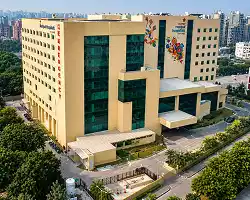
Dwarka - Delhi NCR
-

Patiala
-

Jaipur
-

Vijayawada
-

Salem
-

Bhubaneswar
-

Siliguri
-

Ranchi

How It Works
Haemorrhoidectomy is performed through structured, stepwise care to ensure safety, faster recovery, and comfort. Patients undergo a detailed consultation that includes a review of symptoms, physical examination, and diagnostic support such as anoscopy. The surgeon selects the most suitable technique after assessing haemorrhoid grade, overall health, and expected outcomes. Options include open excision or stapler haemorrhoidectomy, which uses a circular device to remove and reposition tissue with reduced discomfort.
The procedure is carried out under general or local anaesthesia. Surgeons make small incisions or position a stapler device to remove the affected tissue while maintaining precise haemostasis. Post-surgery, patients are shifted to monitored recovery areas, where pain relief, wound care, and hydration are prioritised. Early mobilisation is encouraged to support healing and prevent complications.
Patients receive structured instructions on hygiene, activity restrictions, diet, and stool-softening measures to follow. Follow-up visits assess healing and ensure long-term comfort and well-being. This stepwise approach helps prevent recurrence and supports smooth recovery.
.webp "Hemorrhoidectomy Surgery in India | Manipal Hospitals")
Didn’t find what you were looking for?
Request a CallbackBenefits
Patients undergoing haemorrhoidectomy at Manipal Hospitals in India benefit from safe, streamlined care:
-
Minimally invasive options with reduced pain
-
Faster recovery and return to routine activities
-
Minimal scarring and improved comfort
-
Lower infection risk with modern techniques
-
Effective relief from bleeding, prolapse, and discomfort
-
Structured post-operative care for smooth healing
What to Expect
Consultation and Diagnosis
The process begins with a thorough clinical evaluation, including physical examination and anoscopy to assess the grade and severity of haemorrhoids. Surgeons discuss symptoms, suitability for open or stapler haemorrhoidectomy, expected outcomes, and answer patient queries to support informed decision-making.
Pre-operative Preparation
Before surgery, patients receive guidance on fasting, medication, and bowel preparation to ensure optimal readiness. Instructions on personal hygiene and anaesthesia assessment are also provided to enhance safety during the procedure.
Surgery Day
On the day of the procedure, patients complete admission and consent formalities. The surgery is performed in dedicated colorectal suites, where specialists carry out open excision or stapled correction. They use minimally invasive techniques to reduce discomfort and improve healing.
Recovery Room Monitoring
After surgery, patients are monitored in the recovery area. Pain control, wound assessment, hydration support, and early mobilisation are prioritised to ensure stable recovery and reduce complications.
Hospital Stay
Most patients require only a short hospital stay or a day-care procedure. During this period, the care team guides wound care, hygiene practices, diet, and activity restrictions to support recovery.
Why Manipal Hospitals?
Manipal Hospitals is a trusted centre for haemorrhoidectomy, offering modern surgical facilities and experienced specialists. The hospital specialises in both open and stapler haemorrhoidectomy in India, ensuring precise and safe correction of symptomatic haemorrhoids. Its advanced colorectal suites, stringent infection-control systems, and skilled perioperative staff support high standards of surgical care.
Patients receive a comprehensive evaluation, encompassing symptom assessment, anoscopy, and treatment planning. Surgeons create personalised management pathways based on haemorrhoid grade, severity, and individual health needs. During the procedure, meticulous surgical techniques help minimise tissue trauma, reduce bleeding, and promote smoother recovery.
Post-operative care includes pain management, wound care guidance, dietary support, and early mobilisation to prevent complications. Coordinated follow-up ensures proper healing and lowers recurrence risk.
With a long-standing reputation in surgery, Manipal Hospitals provides dependable care from initial diagnosis through post-operative rehabilitation. This approach supports improved outcomes, ensures patient comfort, and maintains consistent guidance throughout the treatment.
Centre of Excellence
The General Surgery Departments at Manipal Hospitals in India specialise in diagnosing and treating haemorrhoids through minimally invasive and open techniques. Surgeons offer precise care, including stapler haemorrhoidectomy in India, ensuring patient comfort and quicker recovery. Their multidisciplinary approach supports safe procedures, effective symptom relief, and structured follow-up for long-term outcomes.
Services Offered
Manipal Hospitals in India offer key haemorrhoid care services, including:
-
Stapler haemorrhoidectomy
-
Open haemorrhoidectomy
-
Rubber band ligation
-
Sclerotherapy
-
Minimally Invasive Anorectal Procedures
-
Pre- and post-operative counselling
-
Long-term lifestyle and bowel habit guidance
These services ensure precise treatment, smoother recovery, minimal pain, reduced recurrence, and comprehensive support for long-term anorectal health.
Facilities & Services
Manipal Hospitals in India offer advanced facilities and key services supporting haemorrhoid care, including:
-
Advanced colorectal operating theatres
-
Post-operative recovery and pain management units
-
Diagnostic tools such as anoscopy and targeted imaging
-
Skilled nursing and physiotherapy support
-
Patient education on hygiene and diet
-
Strong infection-control systems for safe surgical outcomes
Frequently Asked Questions
Haemorrhoidectomy involves removing swollen or prolapsed haemorrhoidal tissue to relieve bleeding, discomfort, or difficulty during bowel movements. It is recommended when conservative treatments such as medications and lifestyle changes do not provide relief.
Stapler hemorrhoidectomy in india is a minimally invasive procedure using a circular stapling device to remove and reposition tissue. Patients often experience less pain and faster recovery compared to traditional open surgery.
Yes. When performed by trained colorectal surgeons in a controlled hospital environment, haemorrhoidectomy is generally safe and effective. Modern techniques, sterile surgical suites, and structured post-operative care help minimise complications and support smooth recovery for most patients.
Most patients resume normal routines within one to two weeks. Recovery varies based on the surgical technique, overall health, and adherence to post-operative care instructions. Proper wound care, pain management, and dietary adjustments help support smoother healing.
Yes. Follow-up is essential after haemorrhoidectomy in India. It allows specialists to assess healing, address pain or discomfort, and monitor for complications. These visits also help reinforce long-term bowel habit guidance, reducing the risk of recurrence and supporting better anorectal health.
Consult our Experts



You’re on Our Indian Website
Visit the Global site for International patient services
'Click' to chat with us
