.webp "Hemorrhoidectomy Surgery in India | Manipal Hospitals")
Hemorrhoidectomy (Stapled/Open)
Manipal Hospitals provides the best piles treatment in India, offering advanced care for patients with painful or complicated haemorrhoids. The Colorectal Surgery Unit performs stapled and open surgical procedures based on symptom severity and patient needs. Surgeons use modern, minimally invasive methods to reduce discomfort and support quick recovery. With personalised care, structured evaluation, and skilled specialists, Manipal Hospitals delivers safe and effective haemorrhoid management across all its centres in India.
Hospital Locations
-

Old Airport Road - Bengaluru
-
.webp)
Mysuru
-

Mangaluru
-
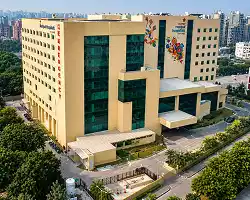
Dwarka - Delhi NCR
-

Patiala
-

Jaipur
-

Vijayawada
-

Salem
-
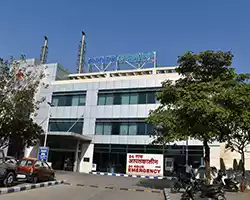
Kharadi - Pune
-

Bhubaneswar
-

Siliguri
-

Ranchi

How It Works
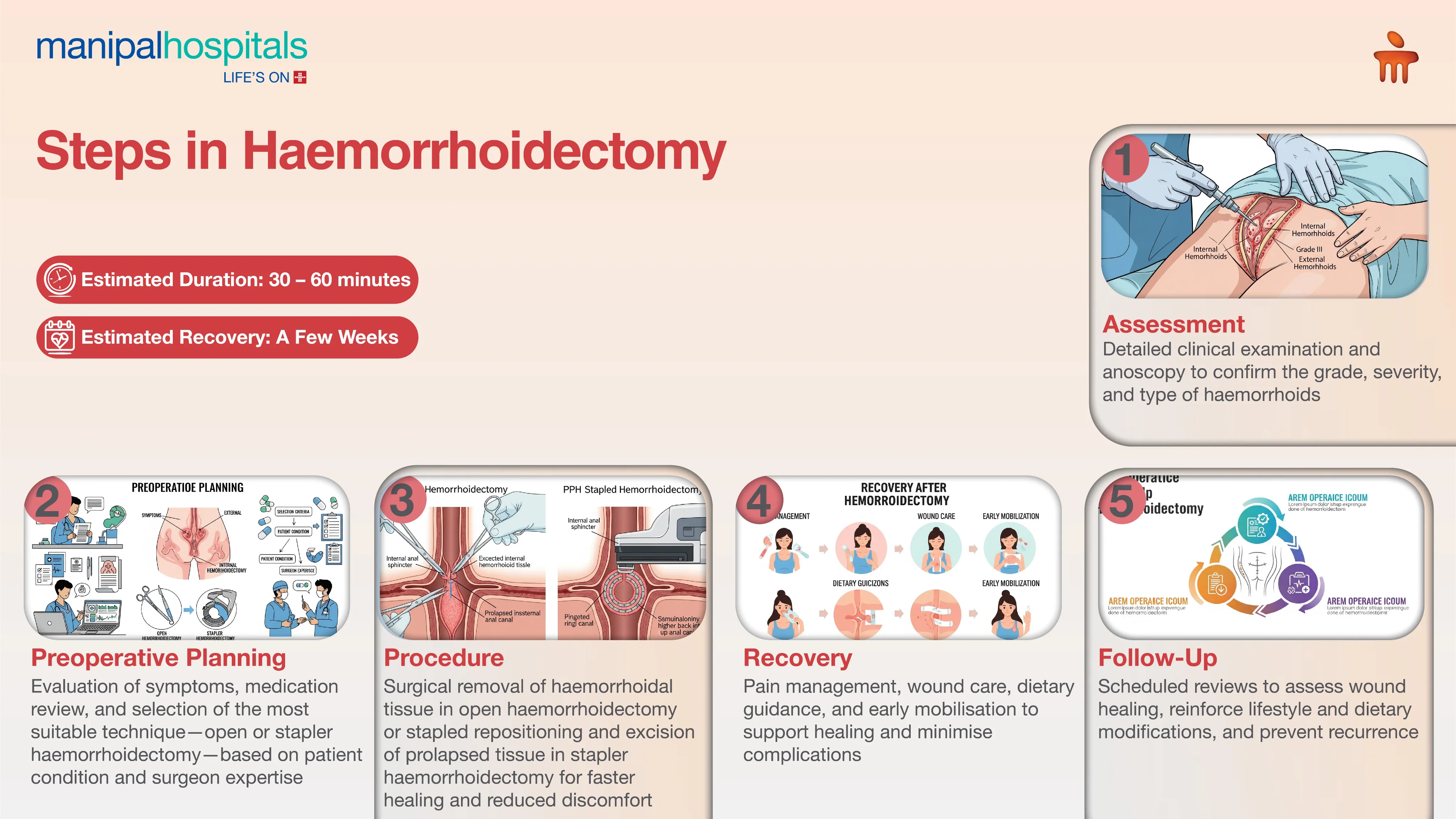
Piles treatment at Manipal Hospitals follows a structured, step-wise pathway to ensure accurate diagnosis and smooth recovery. The process begins with a detailed consultation and clinical examination to assess haemorrhoid grade, symptoms, and complications. Based on the findings, surgeons recommend the most suitable option, including conservative management or haemorrhoidectomy surgery for advanced cases.
Pre-operative evaluation includes blood tests, anaesthesia assessment, and imaging where required. Patients receive guidance on fasting, medications, and preparation for the procedure. During a stapled haemorrhoidectomy, a circular stapler removes excess tissue and repositions the haemorrhoidal cushions. In open haemorrhoidectomy, surgeons excise the swollen veins with precision, ensuring proper haemostasis.
Post-surgery, patients are monitored for pain control, wound healing, and early mobilisation. Dietary advice focuses on fibre intake and hydration to prevent constipation. Follow-up visits help track recovery, manage symptoms, and reduce the risk of recurrence. Manipal Hospitals ensures coordinated care, clear communication, and supportive counselling throughout the treatment journey. They provide reliable outcomes for patients undergoing haemorrhoidectomy surgery.
Didn’t find what you were looking for?
Request a CallbackBenefits
Choosing Manipal Hospitals for piles treatment offers several advantages, which include:
-
Access to stapled and open surgical options
-
Offer reduced pain and faster recovery with minimally invasive techniques
-
Effective relief from bleeding, prolapse, and discomfort
-
Structured peri-operative care to prevent complications
-
Clear guidance on diet and lifestyle for long-term relief
What to Expect
Consultation and Diagnosis
Patients begin with a discussion of symptoms and a physical examination. Surgeons assess haemorrhoid grade, determine suitability for stapled or open surgery, and explain treatment goals, expected outcomes, and potential risks.
Pre-operative Preparation
Before surgery, patients receive guidance on fasting, medication adjustments, hydration, and bowel preparation. Anaesthesia specialists review medical history and discuss regional or general anaesthesia options to ensure the patient is ready for the procedure.
Surgery Day
Haemorrhoidectomy surgery in India, stapled or open, is performed based on the severity and type of haemorrhoids. Surgeons use precise techniques to minimise discomfort, control bleeding, and ensure effective removal or repositioning of haemorrhoidal tissue.
Recovery Monitoring
After surgery, patients are observed in the recovery room. Pain control, vital signs, wound care instructions, and early mobilisation are prioritised to support stable postoperative recovery.
Hospital Stay
Patients receive guidance on hygiene, bowel habits, and wound care. Stool softeners or fibre supplements help ease bowel movements and reduce strain. Nursing teams support postoperative discomfort management.
Follow-ups
Visits include wound assessment, symptom review, and dietary counselling. Surgeons offer lifestyle advice to prevent recurrence and support long-term anorectal health.
Why Manipal Hospitals?
Manipal Hospitals is recognised for delivering comprehensive treatment for piles, offering advanced colorectal care supported by skilled surgeons and modern surgical facilities. Its Colorectal Surgery Units are equipped with high-quality operating theatres, anaesthesia support, and peri-operative care teams trained to manage both simple and complex haemorrhoid cases.
The hospital provides personalised treatment plans, prioritising comfort, safety, and long-term results. Surgeons are experienced in both minimally invasive and conventional procedures, ensuring reliable patient outcomes. Continuous patient education, dietary guidance, and structured follow-up further enhance recovery. With coordinated support services and access to modern techniques, Manipal Hospitals offers holistic, compassionate, and reliable care across India.
Centre of Excellence
The Colorectal Surgery Department at Manipal Hospitals specialises in diagnosing and treating anorectal conditions, including haemorrhoids (also known as piles). Surgeons offer detailed evaluations, personalised treatment plans, and post-operative care. The team performs safe and precise procedures, including haemorrhoidectomy surgery in India, prioritising patient comfort, smooth recovery, and long-term symptom relief.
Services Offered
Key services under piles treatment at Manipal Hospitals include:
-
Clinical assessment and haemorrhoid grading to determine severity
-
Stapled haemorrhoidectomy for reduced pain and quicker recovery
-
Open haemorrhoidectomy for advanced or complex cases
-
Pre-operative evaluation for safe surgical planning
-
Post-operative wound care and pain management
-
Diet and lifestyle counselling to support healing and prevent recurrence
Facilities & Services
Facilities supporting piles care at Manipal Hospitals include:
-
Modular operating theatres are equipped for colorectal procedures
-
Advanced surgical instruments for precise haemorrhoid treatment
-
Anaesthesia and recovery monitoring units for safe postoperative care
-
Dedicated wound care and nursing support
-
Post-surgery dietary counselling
-
Infrastructure supporting haemorrhoidectomy surgery across centres for consistent care
Frequently Asked Questions
Piles commonly develop from chronic constipation, straining during bowel movements, prolonged sitting, pregnancy, and weakened blood vessels. Lifestyle factors such as low fibre intake and inadequate hydration also contribute to haemorrhoid formation.
No. Mild piles may be treated with medication, diet modification, and lifestyle changes. Surgery is recommended only for persistent bleeding, prolapse, or advanced haemorrhoids that do not improve with conservative treatment.
Haemorrhoidectomy surgery typically involves removing or repositioning swollen haemorrhoidal tissue. Surgeons choose stapled or open methods, ensuring effective relief and stable healing depending on the type and severity of haemorrhoids.
Stapled haemorrhoidectomy usually leads to less post-operative pain and a quicker recovery than open surgery. However, the most appropriate technique depends on the type, severity, and extent of the haemorrhoids, as determined by the treating colorectal surgeon.
Recovery varies with the patient and the technique used. Manipal Hospitals offer the best piles treatment in India, where specialists provide comprehensive aftercare for safe and reliable outcomes. Most individuals resume daily activities within a few days, but complete healing may take longer.
Consult our Experts



You’re on Our Indian Website
Visit the Global site for International patient services
'Click' to chat with us
