
Hemodialysis
Manipal Hospitals provides comprehensive renal care services, offering state-of-the-art haemodialysis in India for patients with acute or chronic kidney failure. The hospital utilises advanced dialysis machines and high-flux dialysers to filter waste, salt, and extra water from the blood efficiently. Care pathways involve nephrologist evaluation, vascular access creation, and regular dialysis sessions managed by skilled technicians. Teams ensure patient safety through strict infection control protocols and continuous monitoring. Patients receive personalised diet charts and fluid management advice.
Hospital Locations
-

Old Airport Road - Bengaluru
-
.webp)
Mysuru
-

Mangaluru
-
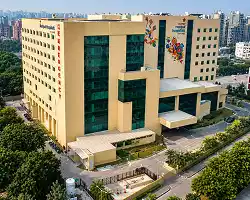
Dwarka - Delhi NCR
-

Patiala
-

Jaipur
-

Vijayawada
-
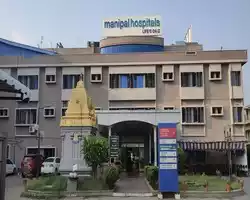
Salem
-

Bhubaneswar
-

Siliguri
-

Ranchi

How It Works
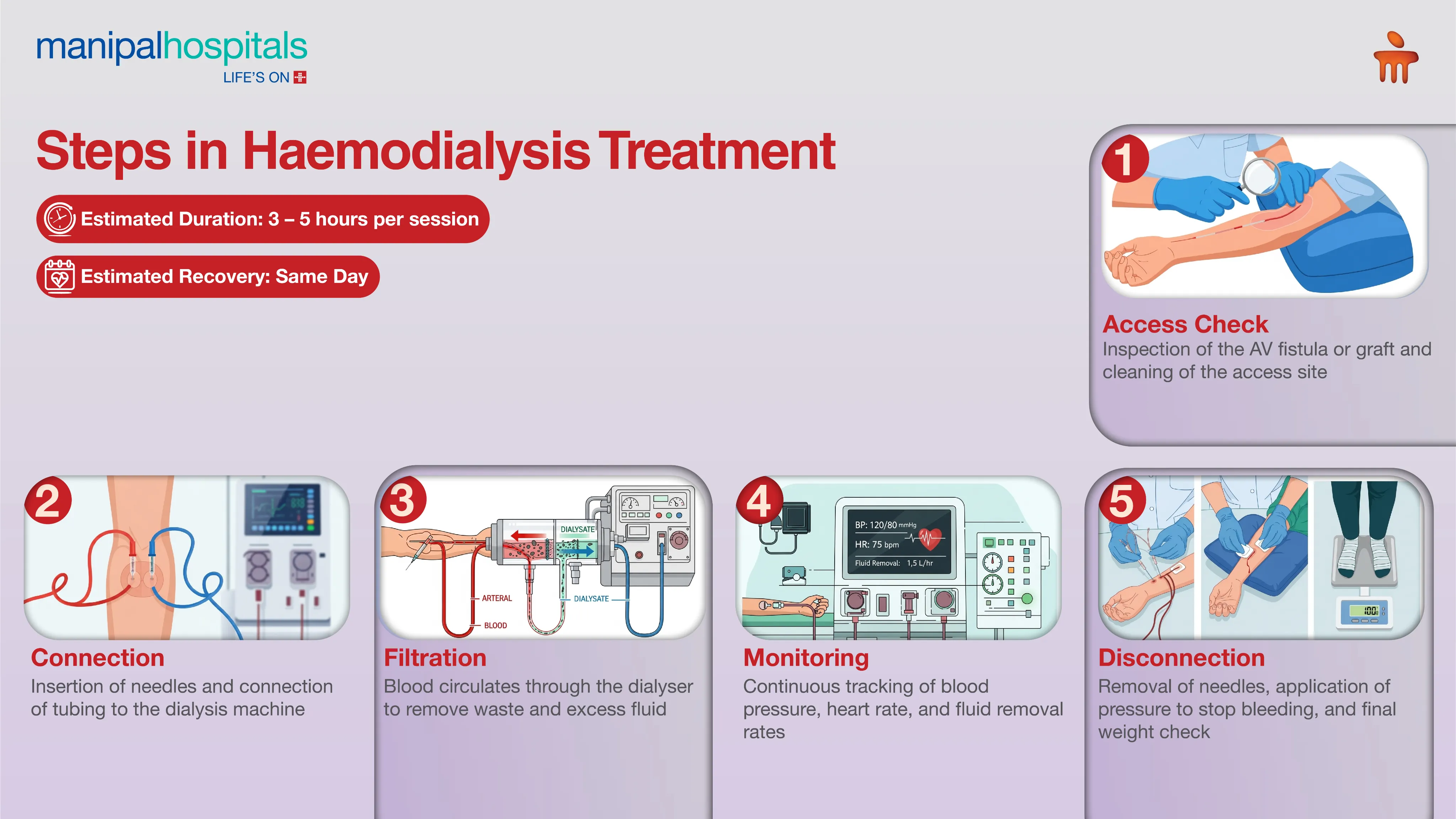
The process begins with the creation of vascular access, typically an arteriovenous (AV) fistula, several weeks before haemodialysis treatment begins. During each session, two needles are carefully inserted into the access point. Blood is drawn from one needle and directed to the dialysis machine, where it passes through a specialised filter called a dialyser. The dialyser cleans the blood using a dialysate solution, removing toxins, excess fluids, and balancing electrolytes.
The purified blood is then returned to the body through the second needle. While the majority of treatments are conducted in the hospital under supervision, the nephrology team also identifies and trains suitable patients for home haemodialysis in India. This provides flexibility, convenience, and autonomy in treatment. Throughout the typical four-hour session, patients’ vital signs, blood pressure, and overall well-being are closely monitored to prevent complications. These include hypotension, cramping, or electrolyte imbalances, thus enabling a safe and effective dialysis experience.
Didn’t find what you were looking for?
Request a CallbackBenefits
Choosing Haemodialysis at Manipal Hospitals provides the following benefits:
-
Efficient removal of toxins and excess fluid from the body
-
Regulation of blood pressure and electrolyte balance
-
Access to high-purity water systems for safe dialysis
-
Availability of separate isolation units for infectious cases
-
Supervision by expert nephrologists and critical care teams
-
Can improve energy levels and overall physical well-being
What to Expect
Consultation and Planning
The nephrologist assesses kidney function and determines the dialysis schedule. The team explains the procedure, dietary restrictions, and medication adjustments.
Vascular Access Creation
A minor surgical procedure creates an AV fistula or graft to ensure high blood flow. This is allowed to heal before regular sessions begin.
Session Day
Patients arrive at the dialysis centre. Weight is checked to calculate fluid accumulation. The access site is cleaned to prevent infection.
During the Procedure
Patients sit in comfortable reclining chairs. They can read, watch TV, or sleep while the machine operates. The process is usually painless, though needle insertion may cause brief discomfort.
Symptom Management
Nurses monitor for drops in blood pressure or muscle cramps. Adjustments to the fluid removal rate are made instantly if discomfort occurs.
Post-Dialysis
After disconnection, pressure is applied to the access site. Post-dialysis weight is recorded. Patients may feel tired and are advised to rest.
Ongoing Care
Routine blood tests evaluate dialysis adequacy. The team reviews diet and medications regularly to manage anaemia and bone health.
Why Manipal Hospitals?
Manipal Hospitals is recognised for excellence in nephrology, combining compassionate care with advanced technology. The facility features modern dialysis stations equipped with ergonomic beds and personal entertainment systems. Beyond in-centre care, the hospital is a pioneer in supporting home haemodialysis in India, empowering patients to manage treatment in their own environment with expert guidance.
A multidisciplinary team of nephrologists, dietitians, and vascular surgeons provides comprehensive management for patients with renal failure. Rigorous water quality monitoring, strict sterilisation protocols, and state-of-the-art dialysis machines ensure safe and effective treatment. Flexible scheduling and 24/7 emergency dialysis support prioritise patient convenience.
With a focus on holistic wellness, nutrition counselling, and individualised care plans, Manipal Hospitals delivers the highest standards of renal replacement therapy. It aims to improve the quality of life and long-term outcomes for all dialysis patients.
Centre of Excellence
The Nephrology Department at Manipal Hospitals excels in the management of kidney diseases and transplantation. Expert teams of nephrologists and dialysis technicians work together to provide life-sustaining therapies. The department focuses on chronic kidney disease management, electrolyte disorders, and hypertension, supported by cutting-edge dialysis infrastructure. They are committed to providing patient education for better long-term outcomes.
Services Offered
Manipal Hospitals delivers comprehensive kidney care, including:
-
In-centre and bedside haemodialysis (SLED) offering safe and controlled dialysis delivery
-
Peritoneal dialysis options include CAPD and automated APD for home-based treatment
-
CRRT for critically ill patients requiring continuous renal support
-
Vascular access creation and long-term maintenance
-
Kidney transplantation services and preventive nephrology clinics
-
24/7 emergency dialysis support
Facilities & Services
Manipal Hospitals is equipped with advanced infrastructure to support superior renal outcomes.
-
Fresenius and Nipro dialysis machines for reliable and efficient treatment
-
Double-stage RO water plants ensure ultrapure dialysis water
-
Dedicated isolation units for patients with Hepatitis B or C.
-
Adjustable reclining dialysis chairs and private treatment suites
-
Digital EMR integration and emergency resuscitation equipment
Frequently Asked Questions
Haemodialysis works like an artificial kidney, removing waste, toxins, and excess fluid from the blood. It also helps regulate blood pressure and maintain healthy levels of electrolytes such as potassium.
Most patients require three sessions per week, with each session lasting about four hours. The nephrologist may adjust the frequency based on kidney function, fluid retention, and overall health.
The dialysis process is generally painless. Patients may feel a brief pinch when needles are inserted into the fistula. Some may experience cramps or a drop in blood pressure, which the care team manages promptly.
Patients must follow a renal diet that limits sodium, potassium, and phosphorus. Fluid intake is restricted. Dietitians at Manipal Hospitals provide personalised meal plans to ensure proper nutrition.
Yes, patients can travel while receiving haemodialysis in India. Manipal Hospitals helps arrange guest dialysis at other centres. With proper planning and updated medical reports, patients can continue their treatment schedule safely.
Consult our Experts



You’re on Our Indian Website
Visit the Global site for International patient services
'Click' to chat with us
