
Egg Freezing
Manipal Hospitals offers egg freezing in India for women wishing to preserve fertility for the future. Specialists assess ovarian reserve, explain options, and design individual stimulation plans before scheduling retrieval. Eggs are collected under short-acting sedation, evaluated, and then vitrified in cryogenic units for long-term storage. Modern IVF laboratories and experienced nursing teams prioritise comfort, safety, privacy, and emotional support. They ensure consistent, high-quality, personalised care throughout the entire process of egg freezing.
Hospital Locations
-

Old Airport Road - Bengaluru
-
.webp)
Mysuru
-

Mangaluru
-
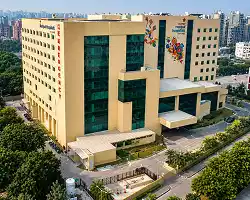
Dwarka - Delhi NCR
-

Patiala
-

Jaipur
-

Vijayawada
-

Salem
-
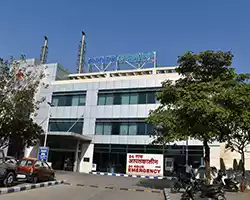
Kharadi - Pune
-

Bhubaneswar
-

Siliguri
-

Rangapani

How It Works
Egg freezing at Manipal Hospitals begins with a detailed consultation in the IVF and Reproductive Medicine Department. Specialists review medical history, perform ultrasound scans, and request hormone tests to assess ovarian reserve. This evaluation decides if stimulation is appropriate and when to start for safe, effective outcomes.
Once planned, patients self-administer hormone injections for around 10–14 days to stimulate multiple follicles. Regular scans and blood tests track response, so clinicians can adjust doses and reduce the risk of ovarian hyperstimulation. Nurses provide guidance on handling injections, side effects, and lifestyle precautions like hydration and rest.
When follicles reach optimal size, a trigger injection prepares eggs for collection. Egg retrieval is performed under short-acting sedation using ultrasound-guided aspiration, usually completed within 20–30 minutes. Retrieved eggs are assessed in the laboratory, and suitable eggs are vitrified for cryogenic storage. The egg freezing clinic in India arranges follow-up, reviews reports, and advises on storage, thawing, and future IVF planning.
.webp "Egg Freezing in India | Manipal Hospitals")
Didn’t find what you were looking for?
Request a CallbackBenefits
Choosing egg freezing at Manipal Hospitals offers several important benefits:
-
Preserves fertility potential before age-related decline or planned medical treatments.
-
Uses vitrification technology to support strong egg survival rates after thawing.
-
Involves minimally invasive retrieval with short recovery times.
-
Provides counselling, financial clarity, and emotional support for decision-making.
-
Ensures coordinated follow-up for future IVF planning.
What to Expect
Consultation and diagnosis
Specialists review medical history, perform an ultrasound, and order AMH or hormone tests to assess ovarian reserve and set expectations.
Pre-operative preparation
Individual stimulation plans are created. Patients receive injection training, lifestyle guidance, and monitoring schedules. Regular scans and blood tests track response and allow safe medication adjustment.
Retrieval day
Egg retrieval is performed in a dedicated procedure room under light sedation. Ultrasound guidance helps collect mature follicles efficiently while maintaining comfort and safety.
Recovery room monitoring
After retrieval, patients rest under observation for a short period. Nurses monitor vital signs, manage pain or nausea, and explain initial post-procedure precautions.
Hospital stay
Freezing eggs in India is usually a day-case procedure; most patients return home the same day with contact details for urgent concerns.
Follow-up appointments
A review visit assesses recovery and discusses laboratory reports.
Long-term planning
Clinicians explain options for storage duration, thawing, and IVF timing according to the individual plan.
Why Manipal Hospitals?
Manipal Hospitals provides structured fertility preservation pathways to meet diverse clinical needs. The IVF and Reproductive Medicine Department brings together gynaecologists, embryologists, anaesthetists, and counsellors. These specialists coordinate assessment, stimulation, retrieval, and long-term storage within one integrated system. Modern laboratories support vitrification, precise hormone monitoring, and stringent quality checks for cryogenic storage. Dedicated procedure suites and recovery areas enhance comfort and privacy. Nursing teams provide clear instructions on safety and self-care. Digital record systems help track cycles, storage details, and follow-up plans, improving continuity of care. With emphasis on safety, ethics, and realistic counselling about outcomes, Manipal Hospitals supports patients planning fertility preservation. It supports long-term health needs and aligns with individual family goals.
Centre of Excellence
The IVF and Reproductive Medicine Department at Manipal Hospitals focuses on comprehensive fertility care, including egg freezing, IVF, and related treatments. Teams combine advanced diagnostics, hormone therapies, and laboratory support with structured counselling. Emphasis is placed on safety, transparency, and personalised planning to help individuals and couples preserve and achieve their reproductive goals.
Services Offered
Manipal Hospitals provides a range of fertility preservation and assisted reproduction services:
-
Ovarian reserve assessment and fertility counselling
-
Individualised stimulation protocols and monitoring
-
Egg retrieval and cryopreservation
-
IVF and ICSI treatments using stored or fresh gametes
-
Embryo culture, transfer, and freezing
-
Long-term storage management and periodic clinical reviews
-
Counselling on future fertility planning and treatment pathways
Facilities & Services
Fertility services at Manipal Hospitals are supported by modern infrastructure:
-
IVF laboratories with controlled environment systems
-
Ultrasound suites for detailed follicular monitoring
-
Procedure rooms equipped for sedation-based retrievals
-
Cryogenic storage with continuous temperature surveillance
-
Private counselling spaces for sensitive discussions
-
Digital systems for reports, consent records, and cycle tracking
Frequently Asked Questions
Egg freezing, or oocyte cryopreservation, involves stimulating the ovaries, collecting mature eggs, and freezing them for later use. It may suit individuals delaying pregnancy for medical, educational, or personal reasons, especially when fertility-preserving therapy is required before medical treatment.
Most patients describe mild discomfort during the process. Hormone injections can cause temporary bloating or mood changes. While retrieval is done under sedation, brief cramping or pelvic heaviness may occur afterwards, usually settling within a few days.
Risks from egg freezing are generally low when monitored carefully. Possible issues include reaction to medications, ovarian hyperstimulation, bleeding, or infection after retrieval. Careful dose adjustments, ultrasound monitoring, and post-procedure observation help reduce complications and ensure concerns are addressed promptly.
Frozen eggs can often be stored for many years without significant loss of quality when cryogenic standards are maintained. Final storage duration depends on national regulations, clinic policies, and personal plans, which are discussed during counselling and consent processes.
Yes, egg freezing is generally safe when performed by trained specialists. Reputable centres providing egg freezing in India maintain strict monitoring, sterile environments, and personalised protocols to minimise discomfort and risks.
Consult our Experts



You’re on Our Indian Website
Visit the Global site for International patient services
'Click' to chat with us
