
Eczema Management
Manipal Hospitals provides the best eczema treatment in India through its specialised Dermatology and Immunology departments. Supported by a multidisciplinary team, the hospital offers accurate diagnosis, personalised care plans, and advanced therapies for managing mild to severe eczema. Treatment options include topical medications, systemic therapies, phototherapy, and structured skincare guidance. With modern facilities and experienced dermatologists, Manipal Hospitals delivers effective long-term management focused on symptom relief, flare prevention, and improved overall skin health.
Hospital Locations
-

Old Airport Road - Bengaluru
-
.webp)
Mysuru
-
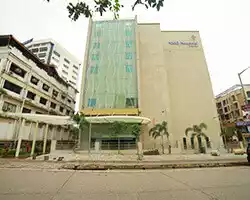
Mangaluru
-
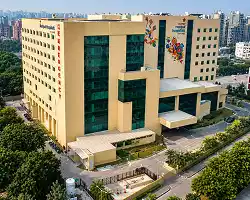
Dwarka - Delhi NCR
-
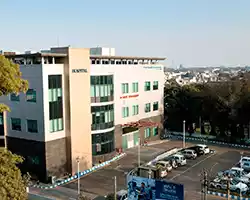
Patiala
-
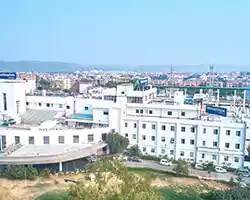
Jaipur
-
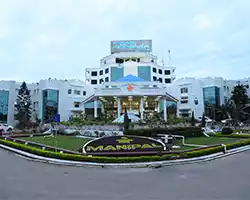
Vijayawada
-
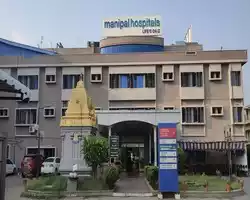
Salem
-
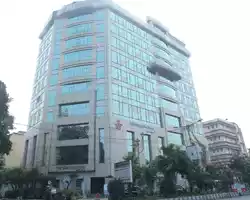
Salt Lake - Kolkata
-
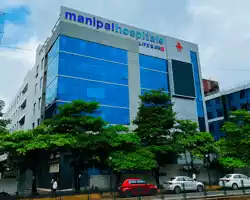
Baner - Pune
-
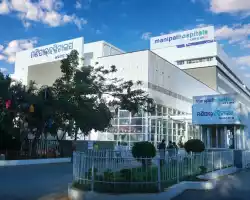
Bhubaneswar
-
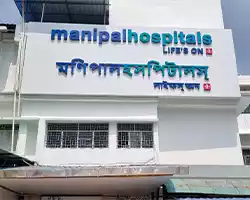
Siliguri
-
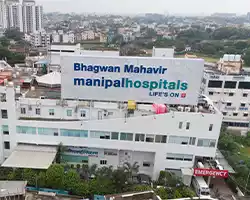
Ranchi

How It Works
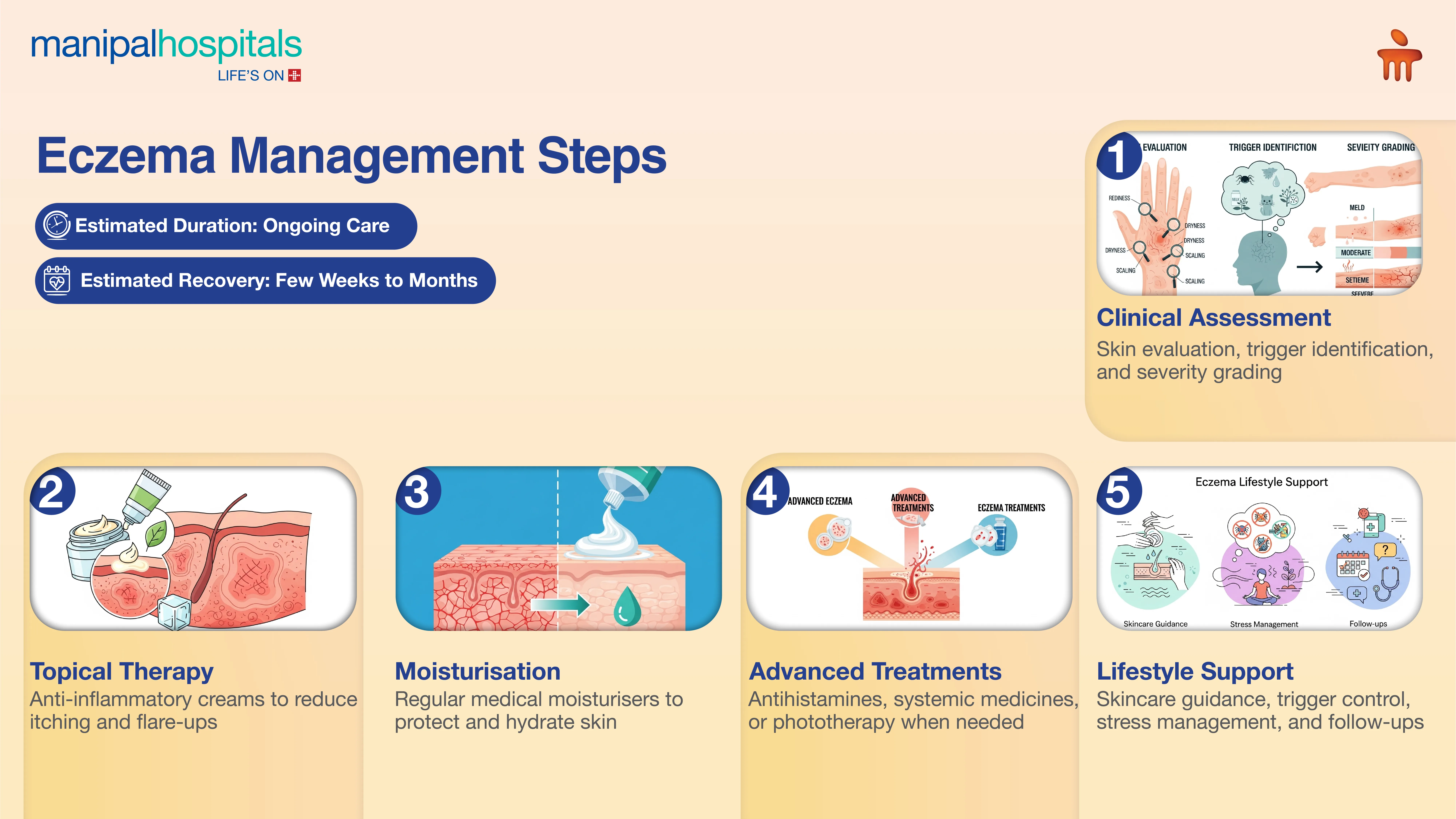
Eczema treatment at Manipal Hospitals begins with a detailed clinical evaluation. This includes skin examination, allergy testing, and assessment of triggers such as irritants, allergens, or genetic factors. Dermatologists determine the type of eczema to design an individualised treatment plan that suits every patient's needs.
Topical therapies, including corticosteroids, calcineurin inhibitors, and medical-grade moisturisers, are used for most patients. Severe or widespread eczema may require systemic treatments such as antihistamines or immunosuppressive medication. Patients with persistent symptoms may also benefit from phototherapy options, including narrow-band UVB, performed in specialised light-therapy suites.
Education is a key component of care. Patients receive guidance on skincare routines, trigger avoidance, hydration, and lifestyle adjustments. Emotional and psychological support is provided to help manage stress-related flare-ups. Regular follow-ups allow clinicians to assess progress, modify medication, and maintain symptom control.
Didn’t find what you were looking for?
Request a CallbackBenefits
Patients undergoing eczema management at Manipal Hospitals benefit from
-
Personalised treatment plans tailored to eczema type and severity
-
Access to a full range of topical, systemic, and phototherapy options
-
Specialist dermatology support for long-term symptom control
-
Comprehensive guidance on trigger avoidance and flare prevention
-
Holistic care that addresses emotional well-being and lifestyle factors
What to Expect
Consultation and Diagnosis
Patients undergo a comprehensive skin and allergy evaluation, which includes medical history, visual examination, and the identification of triggers.
Pre-Treatment Preparation
Before therapy begins, patients receive guidance on skincare routines, moisturisation, lifestyle habits, and environmental triggers. When required, plans for topical, systemic, or NB-UVB phototherapy are finalised, ensuring readiness for treatment.
Treatment Phase
Patients are prescribed topical treatments, such as corticosteroids or calcineurin inhibitors. Severe or widespread eczema is managed with oral or immunomodulatory medicines. Phototherapy sessions are conducted in dedicated dermatology units with close monitoring.
Recovery Room/Monitoring
Following initial treatments or phototherapy sessions, early skin response, side effects, and tolerance are assessed.
Hospital/Clinic Visits
Patients attend regular check-ups for progress evaluation. Dermatologists monitor symptom improvement, track flare patterns, and adjust medications or dosing schedules based on clinical response.
Physical and Supportive Therapy
Ongoing moisturisation routines, barrier-repair strategies, and stress-management guidance help sustain skin hydration and reduce flare frequency.
Follow-Up Appointments
Scheduled follow-ups focus on preventing flare-ups, reviewing triggers, and optimising long-term skin maintenance. Treatment plans are refined based on seasonal changes, lifestyle factors, or symptom recurrence.
Why Manipal Hospitals?
Manipal Hospitals is recognised as a leading centre for eczema treatment in India, providing comprehensive and multidisciplinary care for both acute and chronic eczema. The hospital’s dermatology specialists begin with detailed skin assessments, allergy evaluations, and advanced diagnostic techniques to accurately identify the type and severity of eczema. Treatment plans are highly personalised and may include modern topical therapies, systemic medications, immunomodulatory treatments, and specialised NB-UVB phototherapy for persistent or moderate-to-severe cases.
Beyond medical treatment, Manipal Hospitals follows an integrated care model that emphasises long-term skin health. Patients receive structured skincare education, moisturisation routines, lifestyle guidance, and trigger-management counselling to minimise flare-ups. Psychological support is also provided, recognising the emotional and social impact of chronic eczema.
With dedicated dermatology clinics, advanced technology, skilled specialists, and a patient-centred approach, Manipal Hospitals delivers reliable and customised eczema care across its network. This ensures sustained relief, improved comfort, and long-term maintenance of healthy, resilient skin.
Centre of Excellence
The Dermatology and Immunology Departments at Manipal Hospitals specialise in diagnosing and managing all forms of eczema. Using cutting-edge diagnostic tools, the teams offer tailored topical treatments, systemic therapies, and dedicated phototherapy services. Personalised skincare guidance, lifestyle counselling, and multidisciplinary support ensure improved skin health and complete patient care for both acute and chronic eczema.
Services Offered
Patients undergoing eczema management at Manipal Hospitals benefit from key eczema services, which include:
-
Thorough skin examination and allergy evaluation.
-
Tailored topical and systemic therapies for eczema control.
-
NB-UVB phototherapy for moderate or persistent symptoms
-
Lifestyle guidance, trigger management, and skincare counselling
-
Long-term monitoring with personalised flare-prevention strategies
Facilities & Services
To ensure effective eczema treatment, Manipal Hospitals provides a range of specialised dermatology facilities, including:
-
Dedicated phototherapy suites equipped for NB-UVB treatment
-
Advanced diagnostic and imaging tools for precise eczema assessment
-
Sterile, well-equipped treatment rooms for safe procedures
-
Counselling units offering skincare and trigger-management support
-
Integrated services ensuring continuity and comprehensive eczema treatment in India
Frequently Asked Questions
Eczema develops from a combination of genetic factors, an overactive immune response, and environmental triggers. Irritants, allergens, stress, and climate changes commonly cause flare-ups, leading to itching, redness, and inflammation. Managing triggers and skin care helps reduce symptom severity.
No. Eczema is not an infectious condition and cannot spread from person to person. It does not result from bacteria, viruses, or fungi. Physical contact, sharing personal items, or living closely with someone who has eczema does not transmit the condition.
Eczema treatment includes topical steroids, medical moisturisers, antihistamines, immunosuppressive medications, and phototherapy. Treatment plans are personalised based on the severity of symptoms, skin condition, and individual triggers to reduce flare-ups, control inflammation, and maintain long-term skin health.
Eczema is a chronic condition, but it can be effectively managed with the right care. With consistent treatment, moisturisation, trigger control, and regular follow-ups, flare-ups reduce significantly. Many patients achieve long-term stability, improved comfort, and healthier skin over time.
Follow-up visits vary based on symptom severity, though most patients need periodic monitoring to fine-tune treatment and maintain stable skin health. Manipal Hospitals provides the best eczema treatment in India, offering expert dermatology care, advanced therapies, and comprehensive long-term management.
Consult our Experts



You’re on Our Indian Website
Visit the Global site for International patient services
'Click' to chat with us
