
Eczema Care
Manipal Hospitals offers specialised care for eczema, also known as atopic dermatitis, through its Dermatology and Allergy services. The hospital provides personalised treatment for atopic dermatitis in India using emollients, topical therapies, phototherapy, systemic medicines, and biologic agents. Dermatologists focus on long-term symptom control, reducing flare-ups, and restoring the skin barrier. A tailored care plan is created based on each patient’s symptoms and triggers. With comprehensive facilities and structured follow-up, Manipal Hospitals ensures effective, patient-centred eczema treatment for improved comfort and quality of life.
Hospital Locations
-

Old Airport Road - Bengaluru
-

Whitefield - Bengaluru
-

Jayanagar - Bengaluru
-

Malleshwaram - Bengaluru
-

Yeshwanthpur - Bengaluru
-

Hebbal - Bengaluru
-

Sarjapur Road - Bengaluru
-

Varthur Road - Whitefield - Bengaluru
-

Doddaballapur - Bengaluru
-

Millers Road - Bengaluru
-
.webp)
Mysuru
-

Mangaluru
-
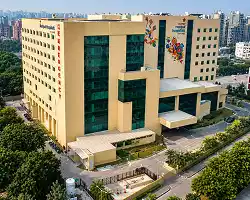
Dwarka - Delhi NCR
-

Gurugram - Delhi NCR
-
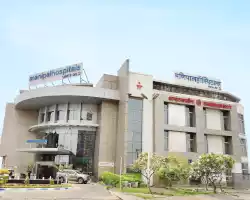
Ghaziabad - Delhi NCR
-

Patiala
-

Jaipur
-

Vijayawada
-
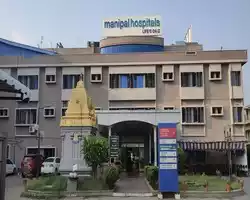
Salem
-
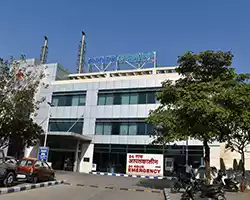
Kharadi - Pune
-

Salt Lake - Kolkata
-

Baner - Pune
-

Dhakuria - Kolkata
-

Mukundapur - Kolkata
-
Broadway - Kolkata
-

Bhubaneswar
-

Kanakapura Road - Bengaluru
-

EM Bypass - Kolkata
-

Siliguri
-

Yelahanka - Bengaluru
-

Rangapani
-

Ranchi
How It Works
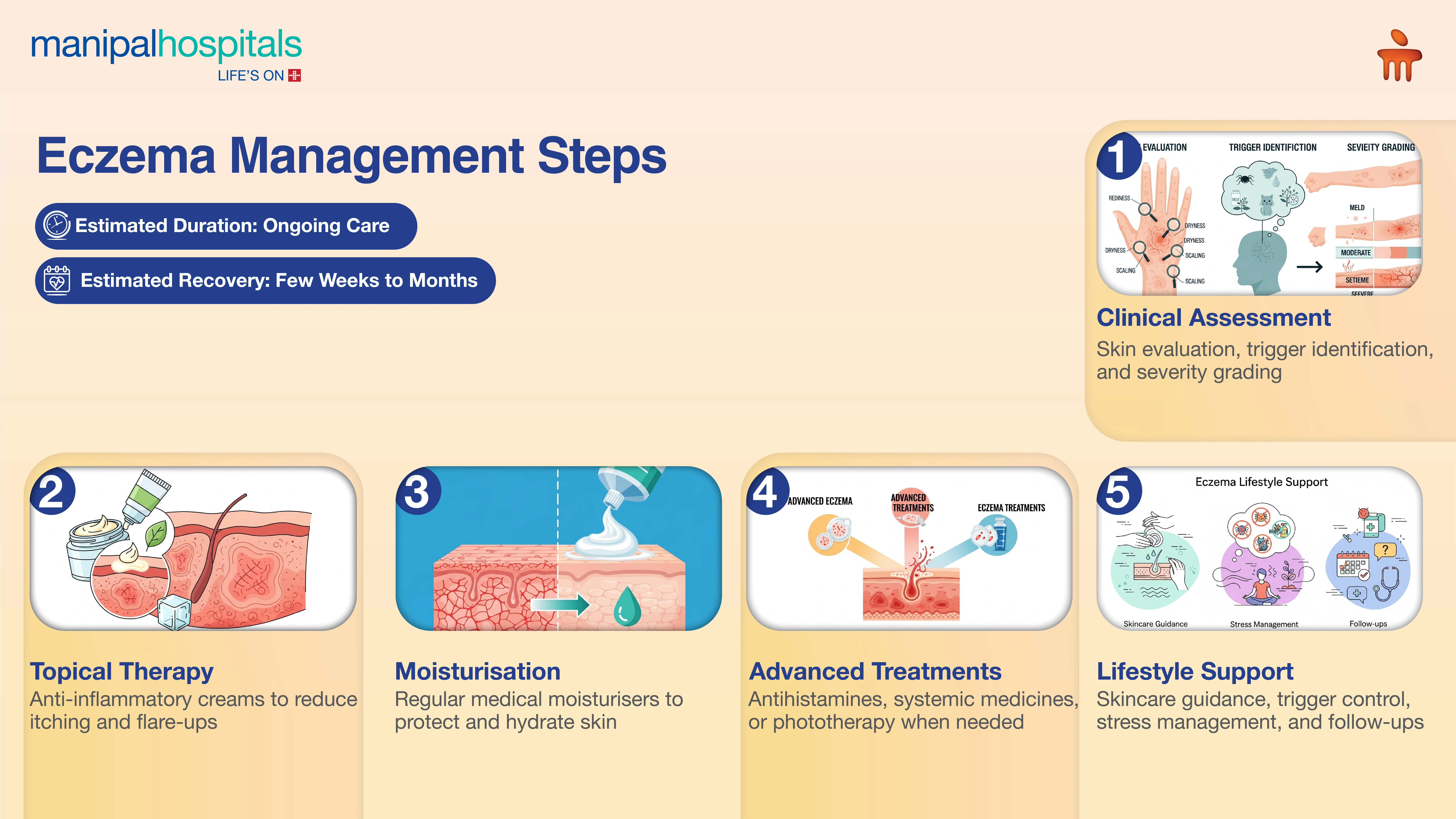
Management of atopic dermatitis at Manipal Hospitals begins with a detailed evaluation that includes a complete skin examination, symptom review, and assessment of potential triggers. Dermatologists determine disease severity using clinical scoring systems and classify the type and pattern of eczema. Patch testing may be recommended to identify allergens contributing to flare-ups.
Treatment usually starts with regular application of fragrance-free emollients to repair the skin barrier. Topical corticosteroids or calcineurin inhibitors are prescribed according to patient age and disease severity. For widespread or treatment-resistant eczema, narrow-band UVB phototherapy is offered in specialised light-therapy suites that ensure safe, controlled exposure.
Patients experiencing severe flares may undergo wet wrap therapy to enhance skin hydration and medication absorption. Antihistamines help control itching, while systemic immunosuppressants or biologics are reserved for difficult or chronic cases. Supportive measures include skincare guidance, trigger-avoidance strategies, bathing techniques, and environmental modifications. Scheduled follow-ups allow dermatologists to monitor treatment response, adjust medicines, and prevent complications through long-term maintenance plans.
Didn’t find what you were looking for?
Request a CallbackBenefits
Patients choosing comprehensive eczema management at Manipal Hospitals benefit from the following:
-
Reduction in flare-ups and improved skin hydration
-
Decreased itching and skin inflammation
-
Personalised plans using topical, phototherapy, or systemic treatments
-
Better control of triggers and long-term symptom stability
-
Improved comfort with fewer disruptions to daily activities
-
Regular monitoring with dermatology and allergy support
What to Expect
Consultation and Diagnosis
Dermatologists conduct a detailed skin examination, assess severity, identify allergens, and explain available treatment options for eczema care in India.
Pre-treatment Planning
Patients receive guidance on moisturising routines, bathing habits, environmental triggers, and selection of appropriate topical therapies or phototherapy.
Treatment Phase
Treatments are provided in monitored dermatology units. Patients may receive emollients, topical steroids, calcineurin inhibitors, wet wrap therapy, narrow-band UVB phototherapy, or systemic medicines depending on severity.
Recovery Room/Monitoring
Following phototherapy or intensive treatments, dermatologists monitor early skin response, tolerance, and medication-related effects.
Hospital/Clinic Visits
Regular follow-ups are scheduled to assess progress, manage flares, and adjust the frequency or strength of medications.
Physical and Supportive Therapy
Patients receive structured skincare guidance to maintain hydration, prevent flare-ups, and protect the skin barrier.
Follow-Up
Routine assessments help track long-term control. Specialists also screen for complications such as infections, sleep disturbance, or associated allergies.
Why Manipal Hospitals?
Manipal Hospitals offers advanced management for atopic dermatitis through its specialised Dermatology and Allergy Departments, providing holistic, expert-led care. Diagnosis and tailored treatment planning are based on international treatment guidelines tailored to Indian skin types and environmental conditions. Therapies include topical anti-inflammatory medicines, emollients, wet wrap therapy, narrow-band UVB phototherapy, and systemic or biologic agents.
Patients receive dedicated counselling on skincare routines, bathing practices, allergen avoidance, and lifestyle modifications to help reduce triggers and prevent flare-ups. Stress management and sleep-related guidance are also provided to improve overall quality of life.
Multidisciplinary collaboration with allergists, paediatric specialists, respiratory experts, and counsellors supports holistic evaluation and treatment of allergies, asthma, and other comorbid conditions. With continuous monitoring, structured follow-up, and patient education, Manipal Hospitals ensures comprehensive eczema care in India.
Centre of Excellence
The Dermatology and Allergy Departments at Manipal Hospitals treat all forms of atopic dermatitis with customised care. Specialists design tailored plans using topical therapies, wet wrap techniques, phototherapy, systemic medications, or biologic agents based on severity. Patients receive detailed skincare guidance, allergy evaluations, and structured follow-ups to ensure long-term stability, reduced flare-ups, and improved comfort.
Services Offered
Manipal Hospitals provides a wide range of dermatology and allergy services, including:
-
Emollient therapy and tailored topical medication plans to restore skin barrier function
-
Wet wrap therapy for severe flares, providing rapid relief and reduced inflammation
-
Narrow-band UVB phototherapy for moderate to severe eczema requiring controlled light treatment
-
Allergy testing and immunotherapy to identify triggers
Facilities & Services
Dedicated eczema care facilities include:
-
Specialised phototherapy units equipped for safe NB-UVB treatment
-
Modern dermatology clinics are supported by advanced diagnostic laboratories
-
Dedicated allergy testing suites for identifying triggers
-
Patient education and counselling areas for skincare and lifestyle guidance
-
Multidisciplinary support from dermatologists, allergists, paediatricians, and counsellors for comprehensive chronic eczema management
Frequently Asked Questions
Atopic dermatitis results from a mix of genetic predisposition, immune system imbalance, and environmental triggers. These factors weaken the skin barrier, causing dryness, itching, and chronic inflammation. Flare-ups may worsen with allergens, stress, temperature changes, or irritants.
No. Atopic dermatitis is not infectious and cannot spread through touch or physical contact. It is an inflammatory skin condition caused by immune dysregulation and a weakened skin barrier, leading to dryness, itching, and recurrent flare-ups—not infection or contamination.
Treatment for atopic dermatitis includes regular use of emollients, prescription topical medications, and wet wrap therapy for severe flares. Phototherapy, as well as systemic or biologic medicines, may be used for moderate, extensive, or persistent cases.
Diet can influence eczema symptoms in some individuals, especially children with underlying food allergies. In such cases, certain foods may trigger or worsen flare-ups. Allergy testing helps identify these triggers, allowing dermatologists to create a safe, personalised plan.
Treatment duration varies depending on severity and triggers. Many patients notice improvement within a few weeks. Manipal Hospitals offers modern therapies for atopic dermatitis in India, ensuring sustained symptom control, healthier skin, and improved daily comfort.
Consult our Experts



You’re on Our Indian Website
Visit the Global site for International patient services
'Click' to chat with us
