
Comprehensive Eye Examination
Manipal Hospitals is regarded as a leading destination for eye testing in India, offering detailed eye evaluations for patients of all ages. Assessments include refraction testing, retina examination, corneal health analysis, and vision clarity checks. These help diagnose conditions such as refractive errors, glaucoma, cataracts, and retinal disorders. Patients receive step-by-step guidance on diagnosis, lifestyle factors, and recommendations. Comprehensive tests are supported by trained specialists and advanced diagnostic technology to ensure accurate visual assessment and long-term eye health management.
Hospital Locations
-
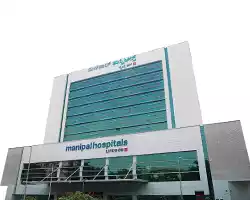
Old Airport Road - Bengaluru
-
.webp)
Mysuru
-
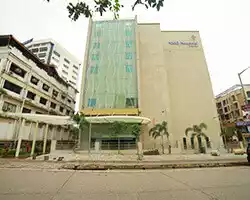
Mangaluru
-
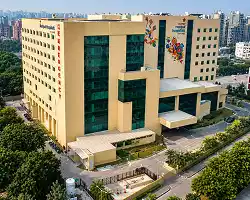
Dwarka - Delhi NCR
-
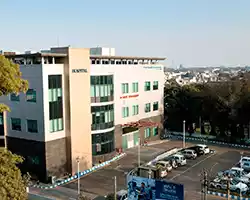
Patiala
-
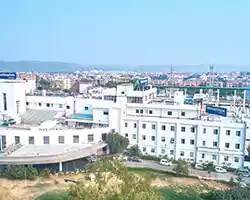
Jaipur
-
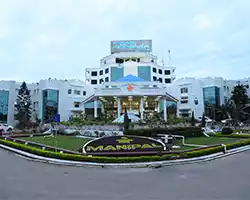
Vijayawada
-
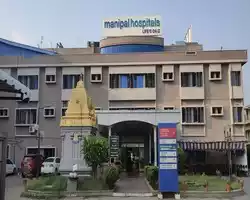
Salem
-
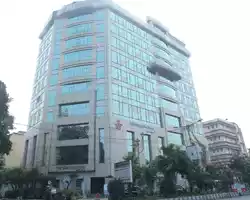
Salt Lake - Kolkata
-
Baner - Pune
-

Bhubaneswar
-
Siliguri
-
Ranchi

How It Works
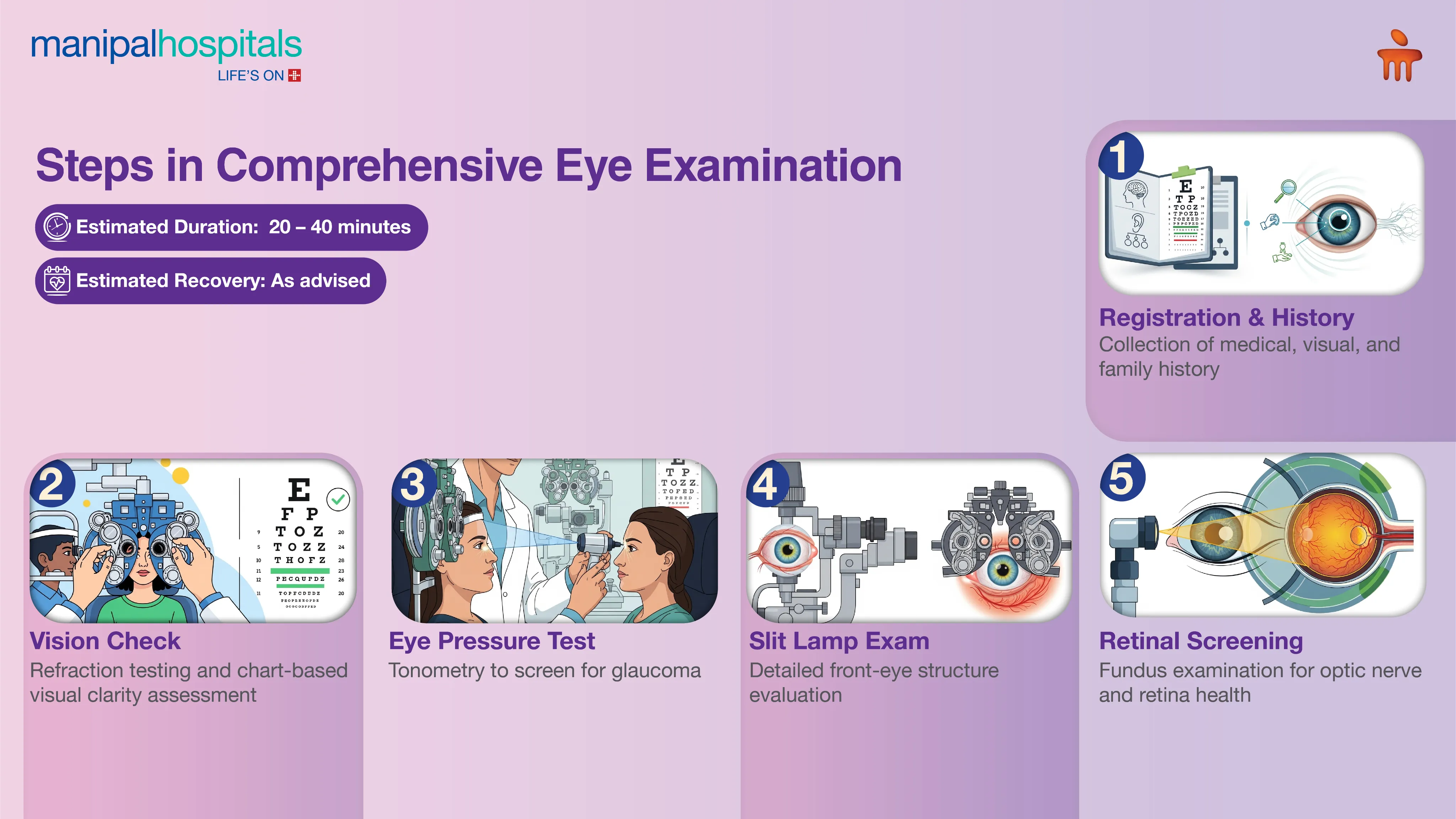
The clinical process for a comprehensive eye test in India at Manipal Hospitals begins with a detailed vision assessment and refraction testing. Intraocular pressure measurement is also performed to determine baseline eye status. Patients then undergo slit-lamp examination, retina screening, and corneal evaluation to identify structural irregularities and detect early or existing eye conditions. When required, advanced diagnostic tools such as optical coherence tomography, corneal topography, and visual field analysis are performed. These provide deeper insight into ocular health and visual function.
Each stage of testing is carried out under professional supervision. Specialists explain procedures, findings, and their significance clearly and reassuringly to ensure patient comfort and understanding. Diagnostic reports provide precise visual measurements, risk indicators, and eye health documentation. These support treatment decisions, spectacle prescriptions, or pre-surgical planning when necessary. Scheduled follow-up visits allow specialists to interpret results in greater detail. They also monitor changes over time and support long-term visual stability with early disease detection.
Didn’t find what you were looking for?
Request a CallbackBenefits
Choosing a comprehensive eye examination at Manipal Hospitals provides:
-
Early detection of eye diseases and refractive errors
-
Advanced imaging systems for reliable diagnostic accuracy
-
Detailed clinical interpretation and personalised care plans
-
Improved vision management and treatment recommendations
-
Screening suitable for children, adults, and elderly patients
-
Structured results-based monitoring for long-term eye health
What to Expect
Consultation and Evaluation
The visit begins with an initial assessment that includes visual acuity testing, intraocular pressure checks, and a review of symptoms or vision changes. The specialist explains findings, concerns, and recommended next steps clearly.
Diagnostic Imaging
Additional tests such as optical coherence tomography (OCT), corneal topography, and retinal scanning are performed when required to evaluate deeper eye structures and detect early signs of diseases.
Functional Eye Examination
Binocular coordination, colour perception, contrast sensitivity, and peripheral visual fields are assessed to gain a complete understanding of visual performance.
Clinical Consultation
Specialists discuss test outcomes and confirm diagnoses. They recommend treatment options such as spectacles, medications, lifestyle modifications, or surgical evaluation.
Follow-Up
Scheduled reviews help monitor ongoing progress, track chronic conditions, and update prescriptions as needed.
Why Manipal Hospitals?
Manipal Hospitals offers advanced diagnostic facilities for eye tests in India, supported by skilled optometrists, ophthalmologists, and precision diagnostic systems. Comprehensive assessments such as retina imaging, corneal mapping, topography, and intraocular pressure testing are performed in controlled clinical environments. This ensures accuracy and early detection of eye conditions.
Test results are evaluated through standardised digital reporting systems. These enable specialists to develop personalised visual management and treatment plans based on reliable data. Integrated digital medical records enhance continuity of care, allowing patients to track their eye health over multiple visits and monitor long-term changes. With modern technology and detailed analysis, Manipal Hospitals provides trustworthy diagnostic services. These are designed to support long-term visual wellness and patient confidence.
Centre of Excellence
The Ophthalmology Department at Manipal Hospitals specialises in detailed diagnostic evaluation for eye conditions. It offers comprehensive testing, modern imaging systems, and advanced screening methods. Treatment plans focus on accurate diagnosis, early intervention, and structured follow-up care to maintain long-term visual clarity and prevent avoidable eye conditions.
Services Offered
Manipal Hospitals provides essential diagnostic services for accurate eye testing:
-
Refraction and visual acuity checks using digital charts for precise measurement
-
Corneal analysis, OCT, and retina scans for structural assessment
-
Glaucoma screening through tonometry and optic nerve checks
-
Evaluation for dry eye, allergies, and visual strain
-
Consultation-based management supported with scheduled follow-up reviews
Facilities & Services
The hospital features reliable facilities for safe, accurate diagnostic eye evaluation:
-
Digital slit-lamp microscopes for detailed front-eye examination
-
Corneal topography and retinal imaging systems ensure consistency
-
HEPA-controlled diagnostic areas reduce infection risks
-
Dedicated screening rooms for complete comprehensive testing
-
Structured reporting, clear counselling, and planned follow-up schedules for treatment guidance
Frequently Asked Questions
A complete eye assessment checks vision sharpness, refractive errors, eye pressure, corneal health, and retinal condition. Tests help diagnose early disease and provide accurate recommendations for treatment or prescription correction.
Examinations at Manipal Hospitals are performed under professional supervision. Some patients may notice brief brightness, but the process is comfortable. Overall, eye testing in India is usually painless and non-invasive.
Patients should carry current glasses or prescriptions, report any medications, and inform specialists about visual symptoms. Contact lens wearers may be asked to remove lenses before testing for accurate readings.
The Manipal Hospitals’ eye test India centres feature advanced digital imaging systems, computerised refraction, tonometry, retinal scanners, and structured reporting. This ensures accurate diagnosis and early identification of potential eye diseases and visual changes.
Most examinations take 20–40 minutes and include standard and advanced tests. Follow-up visits are scheduled based on findings to review progress, update prescriptions, and monitor long-term eye health effectively.
Consult our Experts



You’re on Our Indian Website
Visit the Global site for International patient services
'Click' to chat with us
