
Colonoscopy
Manipal Hospitals offers the best colonoscopy in India for screening, diagnosis, and treatment of large intestine conditions. Skilled gastroenterologists use advanced endoscopy units and high-definition imaging to detect polyps, inflammation, and bleeding accurately. Selected findings can be treated during the same session. The hospital ensures patient comfort through sedation support, strict infection control, and clear preparation guidance. Coordinated care helps reduce waiting times and supports a smooth, safe recovery experience.
Hospital Locations
-
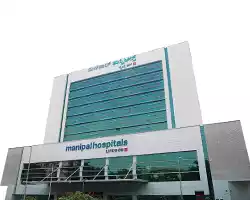
Old Airport Road - Bengaluru
-
.webp)
Mysuru
-
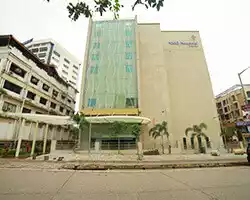
Mangaluru
-
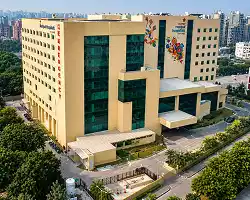
Dwarka - Delhi NCR
-
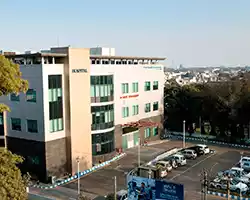
Patiala
-

Jaipur
-
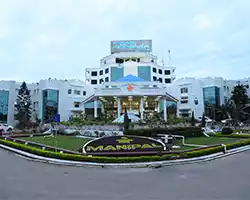
Vijayawada
-
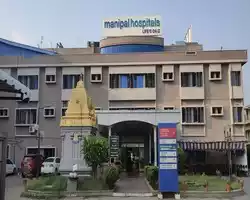
Salem
-
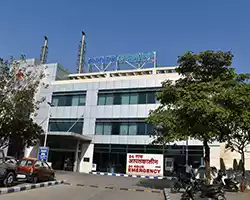
Kharadi - Pune
-

Bhubaneswar
-
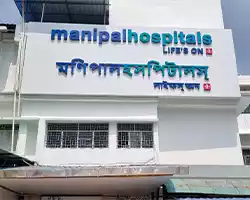
Siliguri
-
Ranchi

How It Works
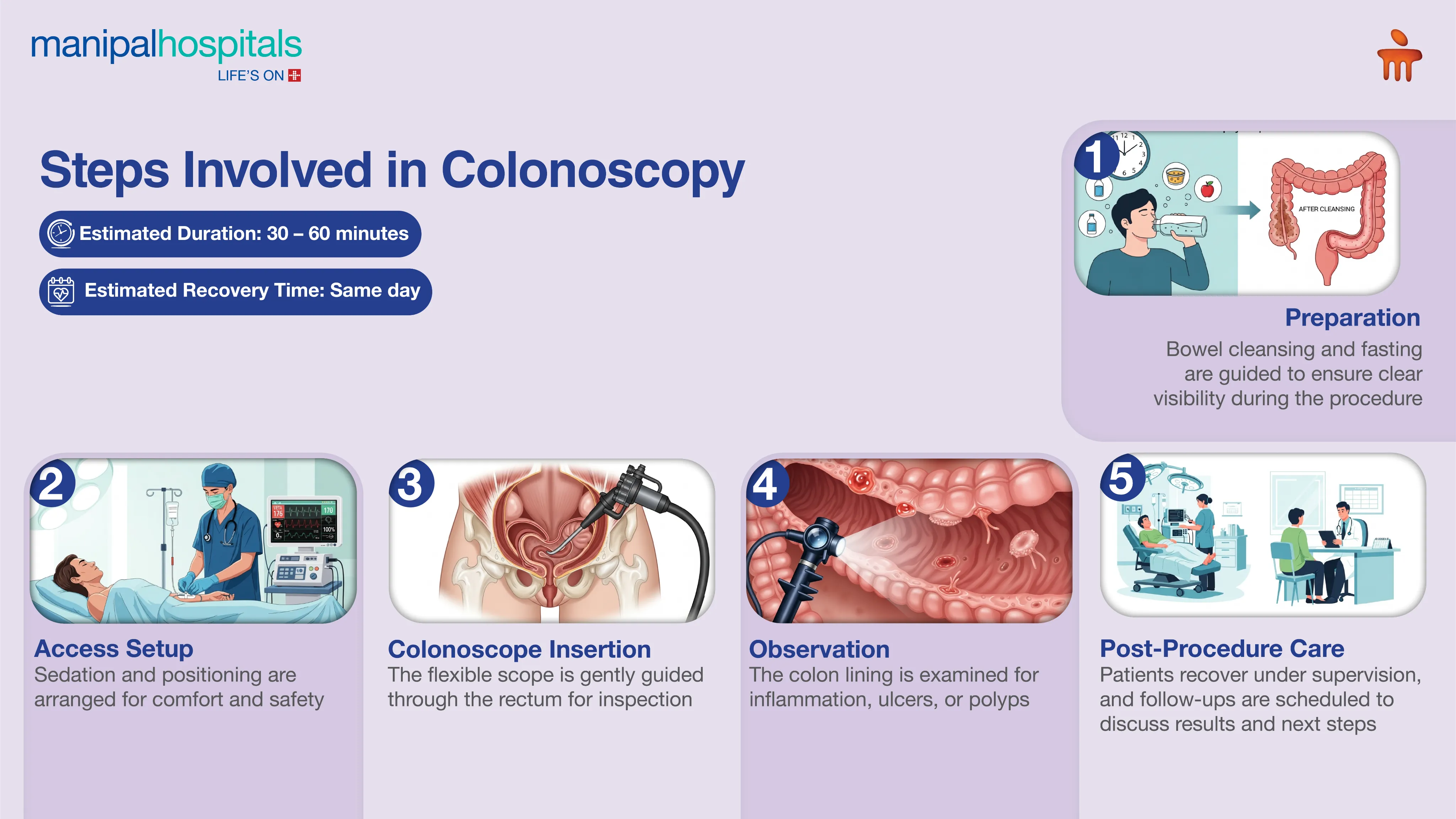
Colonoscopy at Manipal Hospitals in India follows a structured, safety-focused process. A gastroenterologist first reviews medical history, medicines, and symptoms, then decides if a Colonoscopy is appropriate and when it should be scheduled. Any heart, lung, or bleeding risks are discussed, and blood tests or an ECG may be advised.
Bowel preparation usually begins one or two days before the test. Patients receive instructions on a low-fibre diet, clear fluids, and strong laxatives to fully cleanse the colon. Guidance also covers adjusting blood thinners, diabetes medicines, and other regular drugs to reduce complications.
On the day of the procedure, an intravenous cannula is placed and monitoring starts. Sedation medicines help patients remain relaxed and comfortable. The flexible colonoscope is gently passed through the rectum to the caecum, with air or carbon dioxide used to open the bowel. The camera transmits real-time images, allowing detection of polyps, ulcers, strictures, and bleeding points. Polyps or suspicious areas can be removed or biopsied through the scope. After the test, patients recover under observation before discharge with tailored instructions.
Didn’t find what you were looking for?
Request a CallbackBenefits
Choosing Colonoscopy at Manipal Hospitals offers several advantages:
-
Early identification of colorectal cancer and pre-cancerous polyps.
-
Diagnosis of unexplained bleeding, anaemia, abdominal pain, or bowel habit changes.
-
Removal of many polyps and collection of biopsies during the same procedure.
-
Sedation-assisted comfort with low complication rates.
-
Structured preparation, monitoring, and follow-up for safe recovery.
What to Expect
Consultation and diagnosis
A gastroenterologist reviews symptoms, medical history, and risk factors, then explains indications, alternatives, and potential risks of colonoscopy.
Pre-operative preparation
Patients receive written instructions on bowel preparation, fasting, and medication adjustments, including guidance for diabetes treatment and blood thinners.
Surgery day (Procedure day)
After admission, the staff place an IV line, attach monitors, and administer sedation. The flexible colonoscope is advanced carefully to examine the entire colon.
Recovery room monitoring
Patients rest in a recovery bay for 30–60 minutes. Nurses monitor vital signs, assess for pain or bleeding, and provide dietary and activity advice.
Hospital stay
Colonoscopy is usually a day-care procedure, and most people return home the same day once fully alert and accompanied.
Physical therapy
Not required; gentle walking is encouraged to relieve gas, bloating, and mild discomfort.
Follow-up appointments and long-term recovery
Doctors discuss findings, biopsy reports, and future screening intervals. Most patients resume routine activities by the next day with lifestyle advice for bowel health.
Why Manipal Hospitals?
Manipal Hospitals has provided Colonoscopy in India for many years, offering coordinated care from evaluation to follow-up. Experienced gastroenterologists perform diagnostic and therapeutic procedures using high-definition video colonoscopes, anaesthesia support, and strict infection control practices. The hospital has delivered comprehensive Colonoscopy services, refining preparation protocols, reporting formats, and follow-up pathways.
Multidisciplinary collaboration between gastroenterologists, anaesthetists, nurses, and pathology teams supports safe sedation, accurate biopsy processing, and clear communication of results. Structured checklists, consent processes, and complication management protocols further enhance safety. Patients also benefit from transparent explanations about indications, risks, and long-term surveillance needs. This integrated approach helps individuals receive timely diagnosis and appropriate treatment for colorectal conditions in a reassuring environment.
Centre of Excellence
The Gastroenterology Department at Manipal Hospitals in India manages a wide spectrum of digestive disorders, with Colonoscopy as a key diagnostic and therapeutic tool. Specialists use colonoscopy to investigate bleeding, anaemia, chronic diarrhoea, abdominal pain, and suspected inflammatory or neoplastic conditions. They also guide long-term follow-up where required, and care plans link the findings with appropriate treatment.
Services Offered
Manipal Hospitals offers a range of Colonoscopy-related services within Gastroenterology:
-
Diagnostic Colonoscopy for symptoms like bleeding, anaemia, or bowel changes.
-
Screening Colonoscopy for colorectal cancer risk assessment.
-
Polypectomy and biopsy of suspicious or pre-cancerous lesions.
-
Therapeutic procedures for bleeding control and stricture dilatation.
-
Surveillance Colonoscopy for high-risk and post-treatment patients.
Facilities & Services
Manipal Hospitals supports Colonoscopy with modern facilities and coordinated services:
-
Dedicated endoscopy suites with high-definition video colonoscopes.
-
Anaesthesia and sedation support tailored to individual needs.
-
Recovery bays with continuous monitoring after the procedure.
-
In-house pathology services for timely biopsy reporting.
-
Central sterile services and strict infection control across endoscopy units.
Frequently Asked Questions
Colonoscopy is an endoscopic examination of the large intestine using a flexible tube with a camera. It helps diagnose bleeding, polyps, inflammation, and other structural problems, and can allow treatment such as polyp removal during the same procedure.
Most patients receive sedation and remain relaxed throughout the test. Mild cramping, bloating, or pressure can occur when air is introduced, but significant pain is uncommon. The care team monitors comfort continuously and can adjust medicines if required.
Preparation usually involves a low-fibre diet, clear liquids, and strong laxatives to fully empty the bowel. You may need to adjust diabetes medicines or blood thinners. Clear written instructions explain fasting times and how to take each medicine safely.
The procedure typically takes 30–60 minutes, depending on findings and interventions. Recovery from sedation usually requires about an hour in the endoscopy recovery area. Most people return to light activities later the same day or the following morning.
Screening intervals depend on age, family history, and findings such as polyps. Many guidelines suggest a 10-year gap after a normal study, but your doctor at Manipal Hospitals will personalise timing to provide the best colonoscopy in India.
Consult our Experts



You’re on Our Indian Website
Visit the Global site for International patient services
'Click' to chat with us
