
Cardiac CT
Manipal Hospitals offers advanced heart CT scans in India to help detect coronary artery disease and related vascular abnormalities. The hospital utilises state-of-the-art computed tomography technology to visualise heart structures, calcium buildup, and blood flow with high precision. Evaluation pathways involve physician referral, rapid scanning, and detailed radiologist reporting. Patients receive clear instructions on procedure, preparation and post-scan care. Digital integration supports the timely sharing of results with cardiologists for appropriate treatment planning.
Hospital Locations
-
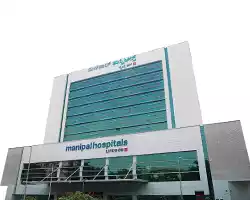
Old Airport Road - Bengaluru
-
.webp)
Mysuru
-

Mangaluru
-
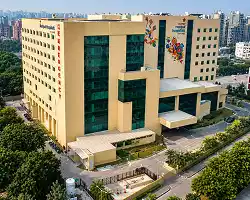
Dwarka - Delhi NCR
-
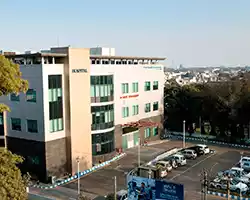
Patiala
-

Jaipur
-

Vijayawada
-
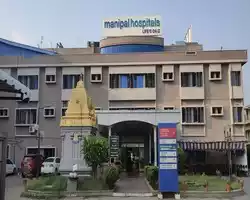
Salem
-
Kharadi - Pune
-

Salt Lake - Kolkata
-

Bhubaneswar
-

Siliguri
-

Ranchi
How It Works
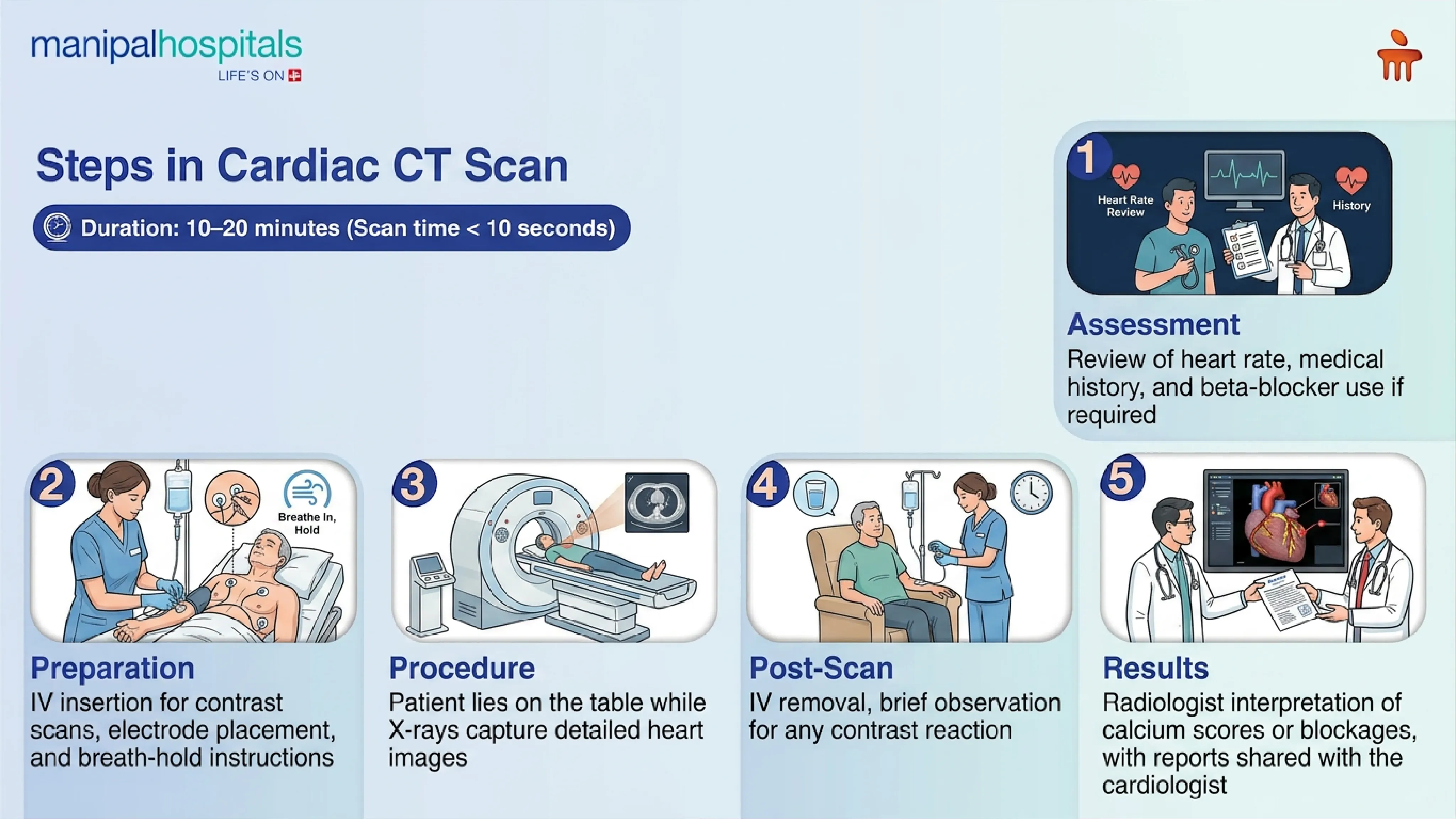
The process begins with a clinical assessment where the doctor reviews the patient's risk factors and symptoms. If necessary, beta-blockers may be administered for contrast-enhanced CT angiography to improve image clarity. Technologists explain breath-holding techniques and position the patient on the scanning table to ensure high-quality image acquisition and patient comfort.
During the scan, the patient lies on a motorised table that moves through the CT gantry. X-ray beams rotate around the body, capturing cross-sectional images of the heart. The Cardiac CT scan in India at Manipal Hospitals uses advanced software to reconstruct detailed coronary artery images. It enables the detection of blockages or plaques without invasive catheters.
After the scan, which only takes a few minutes, patients may resume daily activities. Radiologists assess calcium levels or, in contrast studies, evaluate coronary artery narrowing. Detailed reports are provided to the referring cardiologist, helping guide plans for medication, lifestyle changes, or further interventions.
Didn’t find what you were looking for?
Request a CallbackBenefits
Choosing a Cardiac CT scan at Manipal Hospitals provides the following benefits:
-
Non-invasive assessment to detect coronary artery disease
-
High-resolution imaging for accurate calcium scoring
-
Rapid procedure with no hospital stay required
-
Early detection of heart issues before symptoms progress
-
Low-dose radiation protocols for added safety
-
Immediate return to routine activities after the scan
What to Expect
Consultation and Referral
A cardiologist reviews symptoms and prescribes the scan. The team explains contrast use, preparation, and safety measures.
Pre-Procedure Preparation
Patients may need to fast for a few hours and avoid caffeine. Heart rate is monitored, and medication may be given for clear imaging.
Scan Day
Technicians attach electrodes to monitor the heart rhythm. A contrast dye may be injected through an IV to highlight vessels, followed by the scanning process.
During the Scan
The patient lies still while the scanner rotates. Breath-hold instructions are given through an intercom. The procedure is painless, though the dye may cause a warm sensation.
Immediate Post-Scan
Once the scan is complete, the IV is removed. Patients are observed briefly for any allergic reactions to the dye. Most patients leave immediately.
Result Analysis
Specialised radiologists interpret the acquired cardiac images. They assess calcium deposits, narrowed arteries, or structural anomalies.
Follow-Up Consultation
The cardiologist discusses the results and creates a personalised plan involving medication, further tests, or lifestyle guidance.
Why Manipal Hospitals?
Manipal Hospitals is a preferred centre for advanced cardiac imaging, combining experienced radiology teams with modern diagnostic infrastructure. The hospital is recognised for offering a reliable Cardiac CT scan in India. It uses multi-slice CT scanners that capture high temporal resolution with reduced radiation exposure. Radiologists and cardiologists collaborate to ensure accurate interpretation and timely reporting.
Patients benefit from a streamlined experience, from easy appointment scheduling to rapid report generation. The hospital prioritises patient safety, using contrast administration protocols and advanced software to minimise radiation. With a focus on preventive care and accurate diagnosis, Manipal Hospitals provides the critical data needed for effective heart disease management. Continuous technological upgrades ensure patients receive the most accurate and reliable imaging results.
Centre of Excellence
The Cardiology Department at Manipal Hospitals excels in preventive and diagnostic heart care, including advanced CT imaging. Expert teams of interventional cardiologists and radiologists work together to assess cardiovascular risk. The department focuses on early detection, patient education, and accurate diagnostics. It is supported by cutting-edge technology and a commitment to non-invasive assessment methods for superior patient outcomes.
Services Offered
Manipal Hospitals offers a wide range of cardiac services, including:
-
CT Coronary Angiography and Calcium Scoring for early artery assessment
-
Non-invasive cardiovascular risk evaluation
-
Echocardiography and stress testing for heart function
-
Preventive cardiology and regular health check-ups
-
Cardiac MRI and nuclear imaging
-
Interventional cardiology services for blocked arteries
-
24/7 emergency cardiac care
Facilities & Services
The hospital provides advanced cardiac facilities, including:
-
Advanced multi-slice CT scanners for rapid cardiac imaging
-
Low-radiation dose acquisition software for safety
-
Dedicated cardiac imaging suites ensure accurate results
-
High-resolution digital reporting systems
-
Integrated PACS for seamless data access
-
Emergency support and resuscitation facilities
-
Comfortable preparation and recovery zones
-
Expert radiology and technical staff for precision
Frequently Asked Questions
A Cardiac CT scan is a non-invasive imaging test that uses X-rays to create detailed heart images. It helps doctors assess plaque buildup, blood vessel condition, and blockages for early diagnosis and appropriate treatment.
The procedure itself is painless and requires only lying still inside the scanner. If contrast dye is used, patients may feel a brief needle prick and a temporary warm sensation, which usually settles quickly.
Patients may need to fast and avoid caffeine for a few hours. They should wear comfortable clothing and inform doctors about allergies, medical conditions, and kidney concerns beforehand.
The scan itself takes only a few seconds to minutes. However, including preparation, IV placement, and monitoring, the full appointment usually lasts 15–20 minutes.
It primarily identifies calcium deposits and the narrowing of the coronary arteries. A heart CT scan in India at Manipal Hospitals helps detect coronary artery disease early, supporting timely risk management.
Consult our Experts



You’re on Our Indian Website
Visit the Global site for International patient services
'Click' to chat with us
