Burn debridement
Manipal Hospitals provides advanced burn debridement in India through dedicated Burns and Plastic Surgery units. Specialists remove dead or infected tissue to promote healing, reduce the risk of infection, and prepare the wound for grafting. Techniques include tangential excision, enzymatic methods, and surgical debridement. With modern facilities, skilled surgeons, and multidisciplinary support, the hospital provides comprehensive care. They ensure safe, precise, and timely burn wound care, leading to improved recovery and long-term outcomes.
Hospital Locations
-
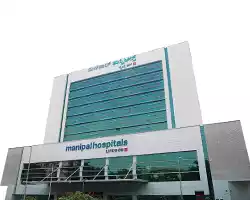
Old Airport Road - Bengaluru
-
.webp)
Mysuru
-
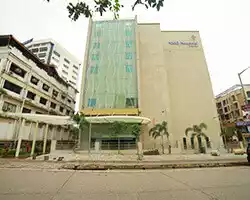
Mangaluru
-
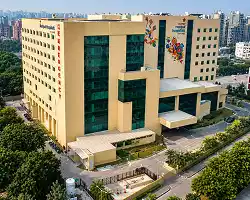
Dwarka - Delhi NCR
-
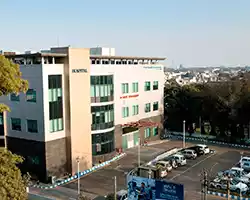
Patiala
-
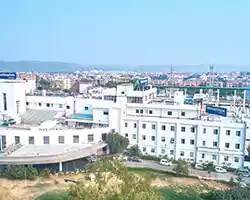
Jaipur
-
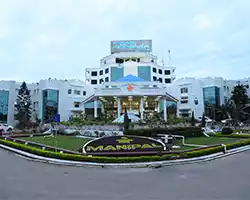
Vijayawada
-
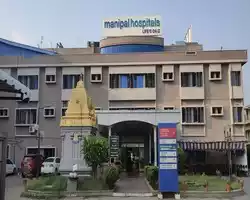
Salem
-
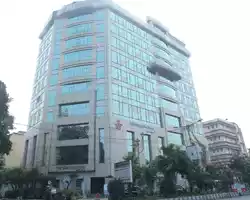
Salt Lake - Kolkata
-
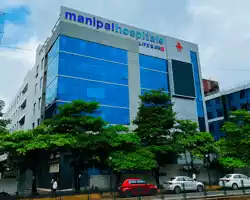
Baner - Pune
-
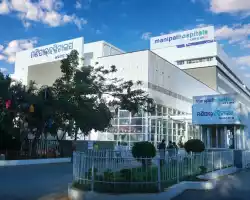
Bhubaneswar
-
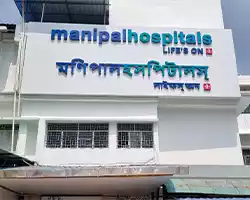
Siliguri
-
Ranchi
How It Works
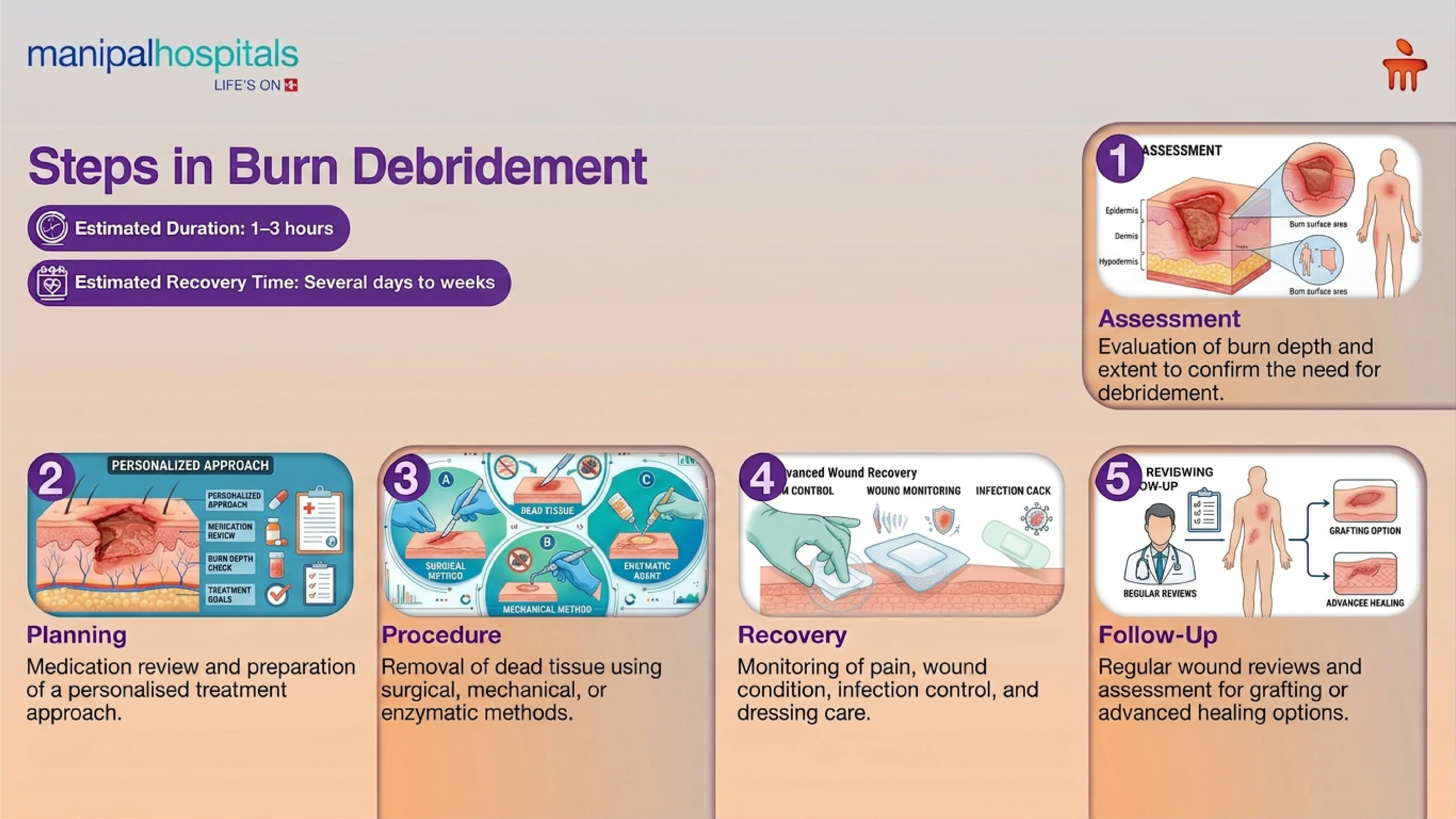
Burn debridement at Manipal Hospitals begins with a detailed assessment of the wound depth, extent, and the potential for infection. Patients are stabilised with fluid resuscitation and appropriate pain management before any intervention. Surgeons perform tangential excision using scalpels or dermatomes to remove non-viable tissue and reach healthy, bleeding tissue. Enzymatic agents, such as bromelain-based preparations, are considered for the selective removal of necrotic areas.
For deeper injuries, staged procedures may be required, especially when large surfaces need treatment. Wound coverage includes dressings, autografts, temporary allografts, or substitutes, depending on the wound condition. Throughout burn wound debridement, meticulous haemostasis is maintained using electrocautery, adrenaline soaks, or tourniquets to minimise blood loss.
Post-procedure monitoring focuses on sepsis prevention, graft adherence, and fluid balance. Patients transition to rehabilitation programmes designed to improve mobility, prevent contractures, and support scar maturation. Nutritional guidance and physiotherapy play essential roles in long-term recovery. This coordinated approach ensures safe healing, prepares the wound for reconstruction when required, and aligns with best practices for burn wound debridement in India.
Didn’t find what you were looking for?
Request a CallbackBenefits
Patients undergoing burn debridement at Manipal Hospitals benefit from:
-
Faster wound healing with significantly reduced infection risk
-
Improved graft success and stronger long-term recovery outcomes
-
Minimised scarring achieved through timely and early intervention
-
Shorter hospital stays supported by expert clinical monitoring
-
Comprehensive pain management and rehabilitation guidance for smoother healing
What to Expect
Consultation and Diagnosis
Care begins with a detailed burn assessment, including evaluation of burn depth, wound size, infection risk, and overall medical status. Clinicians discuss treatment options, expected outcomes, and pain management strategies while addressing patient concerns.
Pre-Procedure Preparation
Before debridement, patients undergo necessary blood tests, wound cultures (if required), and a review of medications. Instructions on hydration, nutrition, and analgesia are provided to ensure optimal readiness. Anaesthesia or sedation planning is explained clearly.
Procedure Day
Burn debridement is performed using surgical, enzymatic, or mechanical methods to remove dead tissue and promote healthy healing. The team works carefully to protect viable tissue and prepare the wound bed for future treatments, such as grafting.
Recovery Room Monitoring
Immediately after the procedure, patients are monitored for pain control, bleeding, hydration, and signs of infection. Dressings are applied, and wound status is closely observed. Early mobilisation is encouraged when appropriate.
Hospital Stay
Patients may stay for ongoing wound care, dressing changes, antibiotics if needed, and supportive therapies. Nursing teams assist with hygiene, nutrition, and maintaining a clean wound environment.
Physical Therapy
Therapists guide gentle movements to preserve the range of motion, prevent contractures, and support functional recovery.
Long-Term Recovery
Follow-up visits assess healing progress, the need for grafting, scar development, and pain levels. Patients receive guidance on wound care, moisturising, sun protection, and rehabilitation to support long-term skin recovery and function.
Why Manipal Hospitals?
Manipal Hospitals is a leading centre for burn management and reconstructive care, backed by experienced plastic surgeons and modern medical infrastructure. Its Burns and Plastic Surgery units follow early excision protocols to reduce complications, improve graft outcomes, and shorten hospital stays. Surgeons employ tangential, enzymatic, and surgical debridement techniques supported by advanced operating theatres, ICUs with infection control, and specialised dressing facilities.
The hospital also provides access to skin substitutes, grafting suites, and integrated rehabilitation services that focus on mobility, scar prevention, and long-term function. Multidisciplinary collaboration ensures seamless care from emergency stabilisation to reconstruction. With its robust systems and clinical expertise, Manipal Hospitals remains a trusted destination for safe and effective burn wound debridement in India.
Centre of Excellence
The Burns and Plastic Surgery Department at Manipal Hospitals manages acute burns, grafting, long-term reconstruction, and burn wound debridement. Specialists combine surgical precision with dedicated wound care to ensure optimal healing, functional recovery, and aesthetic outcomes. Multidisciplinary teamwork supports patients throughout all stages of burn management, from treatment through recovery.
Services Offered
Patients undergoing burn debridement at Manipal Hospitals benefit from the following services:
-
Acute burn debridement and excision for timely wound cleaning
-
Skin grafting and flap reconstruction for effective coverage
-
Enzymatic and mechanical debridement techniques for selective tissue removal
-
Advanced wound dressings and strict infection-control protocols
-
Comprehensive burn rehabilitation and scar therapy to support long-term recovery
Facilities & Services
Patients benefit from state-of-the-art burn-care facilities at Manipal Hospitals, including:
-
Dedicated burn operating theatres
-
Modern ICUs with strict infection-control measures
-
Skin-banking support and modern grafting suites
-
Rehabilitation units offering physiotherapy, laser therapy, and pressure garments
-
Nutrition counselling for enhanced healing and recovery
-
Multidisciplinary clinics supporting long-term functional and aesthetic recovery
Frequently Asked Questions
Burn debridement involves removing dead or infected tissue from a burn wound to prevent sepsis, promote healthy healing, and prepare the area for grafting or reconstruction. This process supports faster recovery and reduces the risk of complications.
Debridement is ideally carried out within 48–72 hours for deep burns. Early removal of dead tissue helps lower the risk of infection, improves survival, and supports better graft adherence and overall healing outcomes.
Yes. Bromelain-based enzymatic treatments are available for the selective removal of dead tissue. They reduce pain, preserve healthy skin, and offer greater precision, making them particularly useful in paediatric cases and sensitive areas where gentle debridement is required.
Yes. Children can undergo burn debridement safely, supported by age-appropriate anaesthesia, specialised wound care, and tailored rehabilitation. Treatment plans are adjusted to their healing needs, ensuring comfort, reduced pain, and effective recovery throughout each stage of care.
Blood loss during burn debridement varies depending on the size and depth of the burn. Manipal Hospitals provides expert burn debridement in India, supported by tourniquets, adrenaline-soaked dressings, and electrocautery to minimise bleeding and maintain safe blood levels.
Consult our Experts



You’re on Our Indian Website
Visit the Global site for International patient services
'Click' to chat with us
