Bilateral/Unilateral Lung Transplant
Manipal Hospitals offer advanced lung transplants in India, providing comprehensive, reliable care for patients with end-stage lung diseases. The hospital performs both unilateral and bilateral transplants using modern surgical techniques and structured pre- and post-operative pathways. Supported by skilled thoracic surgery and pulmonology teams, Manipal Hospitals in India ensure safe evaluation, accurate diagnosis, and seamless transplant care. The focus remains on restoring breathing function and improving long-term quality of life.
Hospital Locations
-
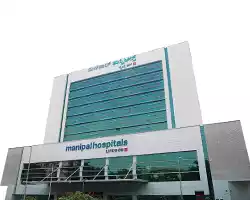
Old Airport Road - Bengaluru
-
.webp)
Mysuru
-

Mangaluru
-
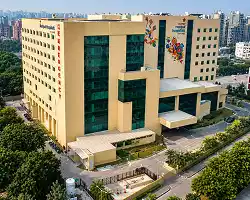
Dwarka - Delhi NCR
-

Patiala
-

Jaipur
-
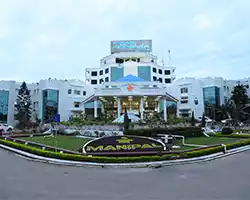
Vijayawada
-
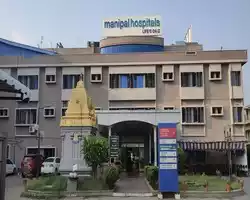
Salem
-
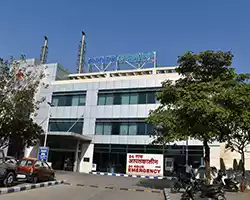
Kharadi - Pune
-

Bhubaneswar
-
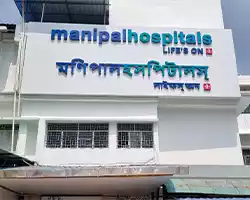
Siliguri
-
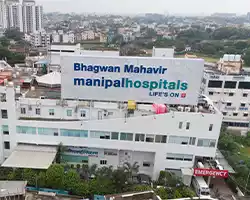
Ranchi

How It Works
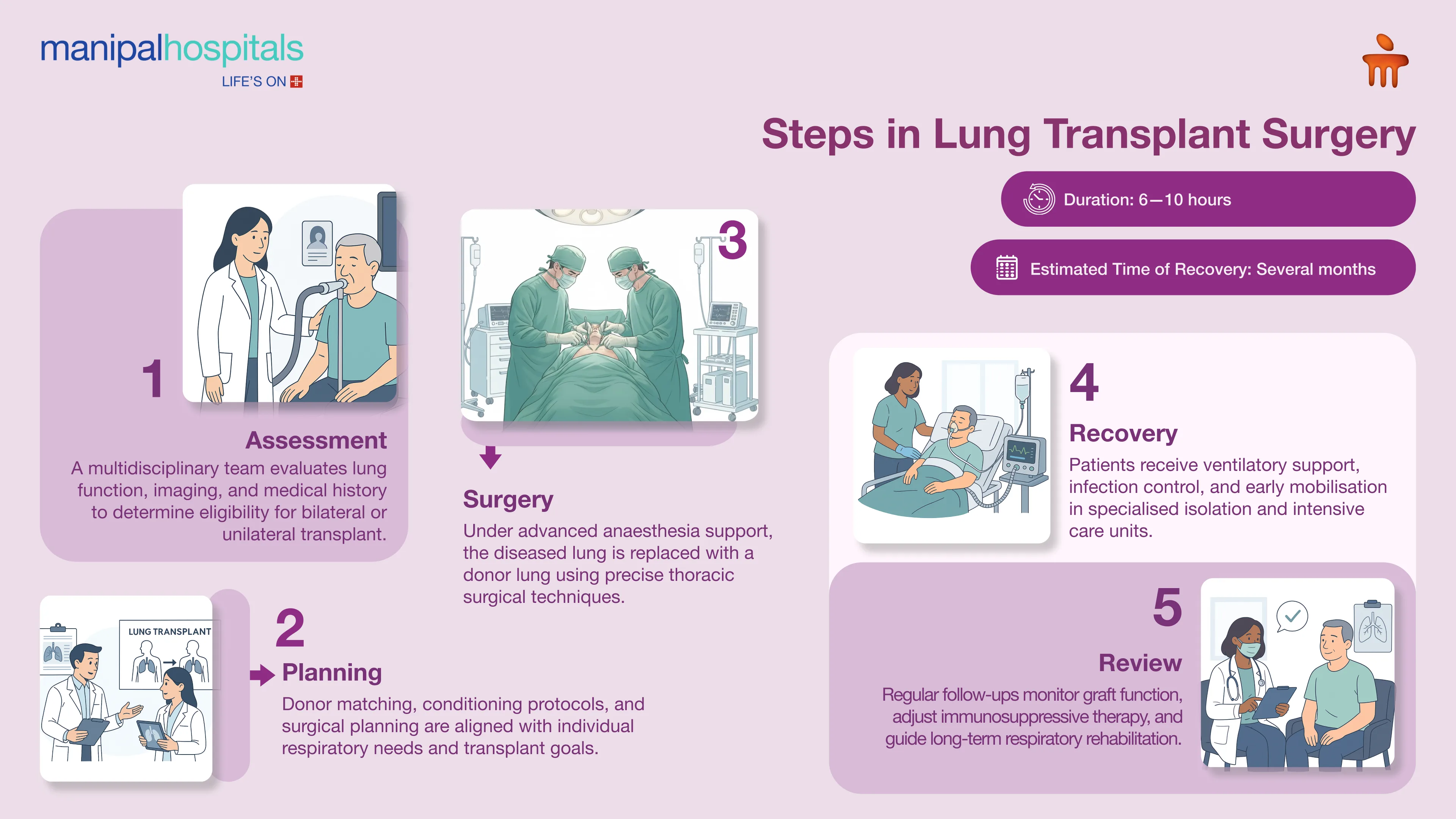
Lung transplantation at Manipal Hospitals follows a structured pathway designed to ensure safety, clarity, and smooth coordination. The process begins with a detailed assessment, which includes lung function tests, imaging studies, and an overall health evaluation. A multidisciplinary team reviews these findings to determine eligibility for lung transplant surgery. They select unilateral or bilateral lung replacement based on the patient’s overall condition.
Before surgery, patients receive medical optimisation and respiratory rehabilitation to enhance strength and reduce complications. During the procedure, one or both lungs are replaced with healthy donor lungs using advanced surgical techniques that support stable graft function. After surgery, patients stay in specialised transplant ICUs for close monitoring, ventilatory support, and early detection of complications.
Immunosuppressive therapy begins immediately to protect the new lungs from rejection. Rehabilitation teams offer structured physiotherapy and respiratory therapy to enhance lung capacity and support recovery. Continuous follow-ups, including lung function tests, imaging, and medication reviews, are essential for achieving long-term success. Patient and family education supports adherence to medications, infection prevention, and lifestyle adjustments following lung transplant surgery.
Didn’t find what you were looking for?
Request a CallbackBenefits
Choosing Manipal Hospitals, India, for lung transplantation offers several benefits, including:
-
Access to experienced transplant surgeons and specialist teams.
-
Comprehensive care from evaluation to long-term follow-up.
-
Improved breathing capacity and reduced symptoms.
-
Enhanced survival and better quality of life.
-
Advanced infrastructure supporting complex transplant needs.
-
Coordinated rehabilitation to strengthen recovery.
What to Expect
Consultation and Diagnosis
Patients undergo detailed lung evaluations, including imaging, lung function tests, and specialist reviews. The multidisciplinary team assesses disease severity, overall health, and suitability for transplant while discussing expected outcomes and risks.
Pre-operative Preparation
Before surgery, patients undergo medical optimisation, respiratory rehabilitation, and infection screening. Clinicians review medications, provide guidance on pre-surgery routines, and prepare patients for anaesthesia and post-operative care.
Surgery Day
The transplant involves replacing one or both lungs under general anaesthesia. Surgeons perform the procedure using advanced techniques designed to reduce complications and ensure stable graft placement.
Recovery Room Monitoring
After surgery, patients are closely monitored in the recovery room. Vital signs, graft stability, ventilatory support, and early mobilisation are carefully managed to ensure a safe transition to recovery.
Hospital Stay:
During the hospital stay, patients are gradually weaned from the ventilator. Pain control, fluid balance, and clinical progress are continuously monitored to support a stable recovery.
Physical Therapy
Respiratory exercises and strength-building routines are introduced early to improve lung capacity, enhance mobility, and support long-term respiratory strength.
Follow-ups
Regular follow-ups include lung function tests, imaging studies, and medication adjustments.
Why Manipal Hospitals?
Manipal Hospitals offers reliable and specialist-led services for patients requiring a lung transplant surgery in India. The hospital follows global clinical standards while maintaining a patient-centred approach focused on safety, precision, and coordinated support. Over the years, Manipal Hospitals has strengthened its transplant programme with dedicated ICUs, modern operating theatres, and advanced imaging systems.
Experienced Thoracic Surgery and Pulmonology teams work together to manage complex cases while ensuring smooth pre- and post-operative care. Rehabilitation units, pharmacies, and counselling services support recovery and long-term wellbeing. These strengths make Manipal Hospitals a trusted choice for individuals seeking a lung transplant treatment. The care is delivered through ethical and structured medical pathways.
Centre of Excellence
The Pulmonology Departments along with Thoracic Surgery Department at Manipal Hospitals are recognised for offering the best lung transplant in India. The department specialises in diagnosing and treating advanced lung diseases that require transplantation. The teams manage evaluations, surgical lung replacement, post-operative care, and long-term rehabilitation. Their combined expertise ensures coordinated treatment and consistent support.
Services Offered
Manipal Hospitals provides a wide range of lung transplant services, including:
-
Bilateral lung transplant surgery for advanced lung failure.
-
Unilateral lung transplant surgery based on disease severity.
-
Comprehensive pre-transplant evaluation with tests and specialist review.
-
Post-transplant immunosuppressive therapy to prevent organ rejection.
-
Pulmonary rehabilitation and structured follow-up care.
-
Emergency intervention and infection management for transplant-related complications.
Facilities & Services
Facilities supporting lung transplant surgery at Manipal Hospitals include:
-
Dedicated transplant operating theatres equipped for complex procedures.
-
Advanced ICUs with continuous monitoring
-
Modern lung function and imaging laboratories for accurate assessment.
-
Integrated transplant pharmacy services for medication support.
-
Multidisciplinary transplant coordinators guide the care pathway.
-
Rehabilitation and outpatient follow-up clinics ensure long-term recovery.
Frequently Asked Questions
Conditions such as COPD, pulmonary fibrosis, cystic fibrosis, and certain advanced lung infections may require a lung transplantation. When medical treatments no longer provide relief or support adequate breathing function, a lung transplant is considered.
Recovery varies, but most patients spend several days in the ICU, followed by a hospital stay and structured rehabilitation. Full recovery may take several months, depending on strength, response to immunosuppressants, and overall health.
The success of lung transplant surgery depends on the quality of the donor lung, surgical technique, immune response, and adherence to medications. Manipal Hospitals follows detailed care pathways to support positive outcomes after lung transplant surgery.
Yes, ongoing follow-ups are essential after a lung transplant. These include lung function tests, imaging reviews, medication adjustments, and screening for infections or rejection. Continuous monitoring helps maintain graft health and long-term well-being.
Eligibility for a lung transplant depends on lung function, overall health, and response to previous treatments. A specialist team at Manipal Hospitals conducts detailed assessments to determine suitability for lung transplant in India.
Consult our Experts



You’re on Our Indian Website
Visit the Global site for International patient services
'Click' to chat with us
