


Appointment Helpline


Numbness is a partial or complete loss of sensation in one or more areas of the body. It is often described as tingling, pins and needles, reduced sensitivity, or a “dead” feeling in the affected area. Numbness symptoms may develop suddenly or gradually and can affect the hands, legs, feet, arms, face, or other body parts. In many cases, numbness and tingling occur due to temporary nerve pressure, poor posture, or reduced blood circulation.
While brief episodes of numbness are often harmless, persistent or recurring symptoms may interfere with movement, coordination, grip strength, or balance. Some individuals also experience emotional numbness symptoms alongside physical changes, particularly when long-standing neurological issues, stress, or chronic illness are present. Numbness may occur alone or with weakness, burning sensations, pain, or reduced temperature awareness.
At Manipal Hospitals, numbness is approached as a clinical symptom that requires careful neurological evaluation. Neurologists assess nerve health, circulation, spine-related factors, lifestyle habits, and medical history to identify possible causes. Early medical assessment helps reduce the risk of complications, prevents worsening nerve damage, and supports long-term nerve health and functional recovery.

Consult a doctor online in just 10 minutes – anytime, anywhere!
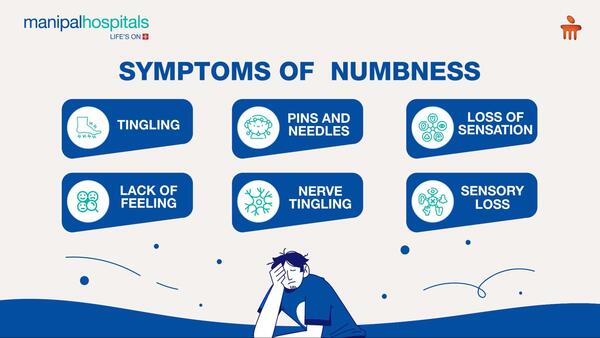
Symptoms of numbness vary depending on the affected nerves, location, and cause. It may involve one or both sides of the body and may worsen at rest, during sleep, or after prolonged sitting. Common symptoms include:
Tingling or prickling sensations in the skin
Pins and needles feelings that come and go
Partial or complete loss of sensation
Reduced sensitivity to touch, heat, or cold
Numb or heavy feeling in the limbs
Burning or crawling sensations under the skin
Muscle weakness or reduced grip strength
Poor coordination or balance issues
Symptoms of leg numbness that cause difficulty walking or standing
Symptoms of left-hand numbness or left-leg numbness that interfere with daily tasks
If numbness persists, spreads, worsens, or interferes with movement, balance, or daily activities, a medical evaluation by a neurologist is recommended.
Numbness and tingling symptoms develop due to alterations in nerve function and blood circulation. Common causes include:
Pressure on nerves caused by poor posture, prolonged sitting, or repetitive movements, often seen in desk-based or physically repetitive jobs
Nerve compression conditions, such as carpal tunnel syndrome or spinal disc problems, that irritate or trap nerves
Peripheral nerve damage linked to diabetes, thyroid disorders, or other metabolic conditions
Reduced blood flow to nerves and tissues, leading to temporary or persistent sensory loss
Stroke or transient circulation disturbances resulting in sudden numbness, usually on one side of the body
Spine-related conditions that affect nerve roots and disrupt normal signal transmission
Vitamin deficiencies, especially vitamin B12, which is essential for nerve health
Autoimmune disorders that damage protective nerve coverings
Infections or inflammatory conditions involving nerves
Side effects of certain medications that alter nerve sensitivity
Identifying the specific cause of numbness symptoms is essential for timely treatment and preventing further progression.
Diagnosis of numbness focuses on understanding the pattern, duration, severity, and progression of symptoms and factors that influence nerve function or circulation. Neurologists follow a structured clinical evaluation to determine possible causes and rule out serious neurological conditions. The diagnostic approach commonly includes:
Detailed discussion of symptom onset, frequency, progression, and any activities or positions that trigger or worsen numbness
Evaluation of posture, work routines, ergonomic setup, and repetitive movements that may contribute to nerve compression
Review of medical history, including chronic illnesses such as diabetes, thyroid disorders, autoimmune diseases, and prior injuries
Assessment of current and past medications to identify drugs that may affect nerve sensitivity
Comprehensive neurological examination to assess reflexes, sensory response, muscle strength, coordination, and balance
Nerve conduction studies are used to measure how efficiently nerves transmit electrical signals and identify areas of nerve damage or compression
Electromyography to evaluate the interaction between nerves and muscles and detect neuromuscular abnormalities
MRI scans of the brain, spine, or peripheral nerves are performed when structural, vascular, or nerve-root involvement is suspected
Blood tests to detect vitamin deficiencies, diabetes, infections, inflammation, or metabolic disorders
This systematic evaluation helps accurately identify the cause of numbness and supports personalised treatment planning and effective long-term management.
Treatment for numbness is guided by the cause, symptom severity, and the extent to which it affects daily activities. Common treatment options include:
Physical therapy to improve muscle strength, flexibility, posture, and blood circulation, helping reduce pressure on affected nerves
Medications to manage nerve-related pain, abnormal sensations, or associated discomfort when required
Treatment of underlying medical conditions, such as diabetes, thyroid disorders, or vitamin deficiencies, that contribute to nerve dysfunction
Posture correction and ergonomic adjustments at work and home to minimise nerve compression and repetitive strain
Surgical intervention in selected cases to relieve nerve entrapment or correct structural problems such as disc herniation
Pain management strategies for chronic nerve symptoms, including specialised therapies when necessary
Lifestyle guidance focusing on regular physical activity, balanced nutrition, stress reduction, and healthy daily routines
These treatment approaches aim to reduce numbness symptoms, restore nerve function, improve mobility and comfort, and enhance overall quality of life.
For mild or occasional numbness, supportive home-care measures help improve comfort, circulation, and nerve relaxation. These steps reduce temporary nerve pressure and support overall nerve health. Common home-care measures include:
Apply warm compresses to the affected area to improve blood flow and relax muscles
Use gentle massage to stimulate circulation, reduce muscle tension, and ease nerve irritation
Maintain good posture during work, travel, and daily activities to prevent nerve compression
Take vitamin B12 supplements when advised by a healthcare professional to support nerve function
Drink ginger tea to support circulation through its natural anti-inflammatory properties
Soak in Epsom salt baths to relax muscles and relieve discomfort linked to numbness
While these home remedies may provide temporary symptom relief, they should not replace medical evaluation. Persistent, worsening, or unexplained numbness requires professional assessment to identify underlying causes and guide appropriate treatment.
Numbness is not always serious, especially when it is brief and resolves on its own. However, persistent or worsening numbness may indicate nerve or circulation problems and should be medically evaluated to prevent complications.
Stress can increase muscle tension and heighten nerve sensitivity, leading to tingling or numbness sensations. During prolonged stress or anxiety, emotional numbness may also develop, where reduced emotional responsiveness accompanies physical sensory changes, affecting daily functioning.
Medical evaluation is advised if numbness persists, spreads, and affects one side of the body. Consultation is warranted if it occurs with weakness, difficulty walking, speech difficulty, dizziness, or confusion. Sudden onset of numbness requires immediate medical attention.
Many cases of numbness improve with timely diagnosis, appropriate treatment, and healthy lifestyle changes. Identifying and addressing the cause helps reduce symptom severity, prevent nerve damage, and support nerve function, recovery, and overall quality of life.
Numbness symptoms in the legs or hands occur due to nerve compression, poor circulation, diabetes-related nerve damage, vitamin deficiencies, or spine-related issues. Repetitive movements, prolonged sitting, or poor posture may also contribute to these symptoms.



Visit the Global site for International patient services


