


Appointment Helpline


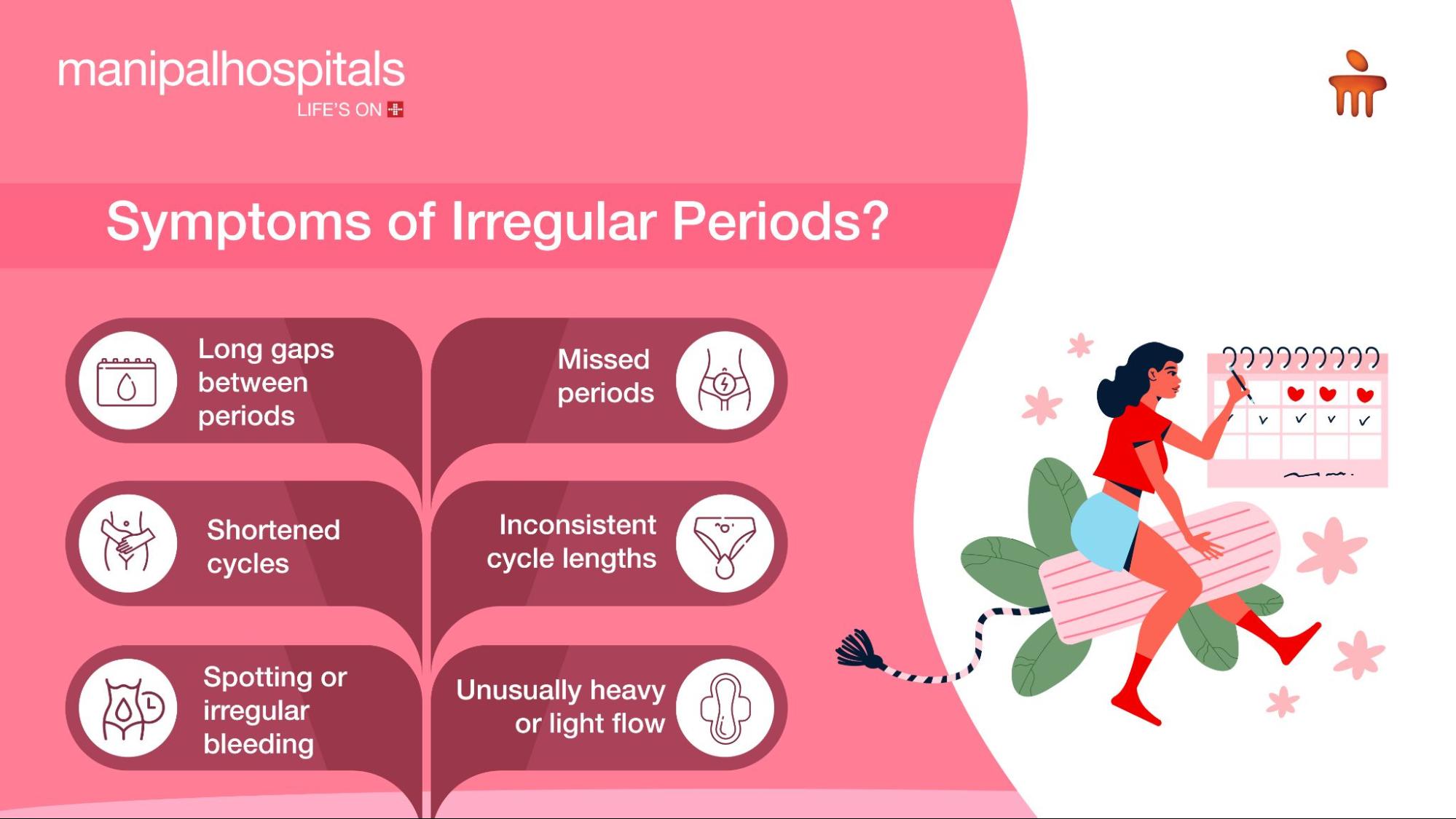
Irregular periods refer to menstrual cycles that are not consistent in timing or flow. It can happen due to hormonal changes, stress, sudden weight gain or loss, or medical conditions. These include polycystic ovary syndrome (PCOS), which affects ovulation, or thyroid problems that affect hormone balance. Irregular periods symptoms may include missed periods or unusually heavy or light bleeding. Cycles may also be shorter than 21 days or longer than 35 days. Some women may also experience additional symptoms such as cramps, fatigue, or mood changes alongside irregular cycles.
These changes are not always linked to pregnancy, breastfeeding, or menopause and may sometimes signal underlying health issues. Irregular periods are common, and most women experience them at some point in their lives due to lifestyle, stress, or hormonal fluctuations.
Although occasional changes in menstrual cycles can be normal, persistent or significant irregularities should be discussed with a healthcare provider. Early evaluation at Manipal Hospitals can help identify the cause, guide appropriate treatment, and support overall reproductive and hormonal health. Timely care also helps prevent complications and supports long-term well-being.

Consult a doctor online in just 10 minutes – anytime, anywhere!
Dealing with an unpredictable menstrual cycle can be confusing and stressful. When periods do not follow a regular pattern, tracking health or planning ahead becomes difficult. Understanding the difference between hormonal changes, irregular periods, and pregnancy symptoms helps clarify what is normal and provides reassurance.
Common signs that a menstrual cycle needs attention include:
Varying Cycle Lengths: The number of days between periods changes every month.
Flow Changes: Experiencing unusually heavy bleeding or very light spotting.
Timing Shifts: Cycles that are consistently shorter than 21 days or longer than 35 days.
Missed Periods: Skipping a cycle entirely, which may cause concern regarding your reproductive health.
In irregular periods, menstrual cycles become unpredictable in timing or flow. Periods may be delayed, missed, unusually heavy, or very light. Some women also experience cramps, fatigue, or mood changes. Persistent or worsening irregularities should be medically evaluated.
Monitoring these patterns helps patients and doctors identify underlying causes such as stress or hormonal imbalances. Noticing persistent changes allows individuals to take proactive steps toward improving overall well-being and seeking timely medical guidance when needed.
Understanding why the menstrual cycle has changed is the first step toward better health control. While occasional changes are normal, ongoing shifts—especially irregular periods after 40 symptoms—often suggest perimenopause or other underlying health conditions.
Common reasons for cycle changes include:
Hormonal Shifts: Changes in oestrogen and progesterone, often linked to life stages, PCOS, or thyroid disorders.
Physical and Emotional Stress: High stress, sudden weight changes, or excessive exercise can delay ovulation.
Reproductive Health Issues: Uterine fibroids, polyps, or hormonal birth control can affect menstrual flow.
Lifestyle Factors: Poor sleep, smoking, and nutritional deficiencies may disrupt the body’s natural rhythm.
Identifying these causes helps manage discomfort and supports long-term wellness. Tracking cycle patterns and triggers provides valuable information for healthcare consultations and informed treatment decisions.
Diagnosing irregular periods involves a combination of medical history review, physical examination, and specific tests. The diagnostic process includes the following steps:
Medical history review: The healthcare provider reviews cycle frequency, duration, flow, and associated symptoms, along with lifestyle factors such as stress, diet, exercise, weight changes, and medication use.
Physical examination: A general and pelvic examination helps identify signs of hormonal imbalance or structural problems such as uterine fibroids, ovarian cysts, or pelvic tenderness.
Blood tests: Blood tests assess hormone levels, including thyroid hormones, prolactin, oestrogen, and progesterone, and may also detect anaemia, insulin resistance, or other metabolic disorders.
Pelvic ultrasound: This imaging test provides detailed views of the uterus and ovaries to detect cysts, fibroids, endometrial thickening, or other structural abnormalities.
Additional tests: In selected cases, tests such as a Pap smear, endometrial biopsy, or MRI help rule out infections, polyps, precancerous changes, or other reproductive system conditions.
While some causes of irregular period symptoms are temporary, others require timely medical evaluation and treatment to restore normal menstrual function and protect long-term
Managing unpredictable cycles starts with identifying the root cause and choosing the right support. For many women, navigating irregular periods requires a combination of medical guidance and lifestyle adjustments to restore balance and comfort.
Effective approaches to regulate your cycle include:
Hormonal Support: Doctors may recommend hormonal therapy or specific treatments to manage underlying conditions like thyroid disorders or PCOS.
Lifestyle Shifts: Prioritising nutrient-rich foods (high in iron and Omega-3s), maintaining a healthy weight, and ensuring restorative sleep can significantly stabilise your rhythm.
Stress Management: Incorporating yoga or meditation helps lower stress hormones that often disrupt ovulation.
Active Tracking: Keeping a detailed log of period flow and timing is essential for a healthcare provider to deliver personalised care.
If irregular bleeding persists, consulting a healthcare professional helps identify a tailored treatment plan suited to the individual’s body.
While home remedies should not replace professional medical advice, they can act as supportive natural measures for menstrual health. Simple lifestyle additions may help ease discomfort and manage irregular periods by promoting internal balance.
Consider integrating these natural supports:
Soothing Spices: Ginger tea may reduce inflammation, while turmeric offers anti-inflammatory benefits to help manage pain.
Hormonal Support: Adding cinnamon to the diet may support hormone regulation and improve cycle consistency.
Nutritional Focus: Iron-rich leafy greens, nuts, and omega-3 sources such as fish or flaxseeds help nourish the reproductive system.
Hydration: Adequate water intake helps reduce bloating and maintain energy levels.
Focusing on these nutrient-dense habits supports the body’s natural rhythm and promotes overall well-being during menstrual cycle transitions.
Yes, physical or emotional stress can upset the hormones that control ovulation, leading to delayed or missed periods. Managing stress through good sleep, relaxation, exercise, and mindfulness can help restore hormonal balance and improve menstrual regularity.
Yes, irregular periods are very common during puberty. As the body adjusts to new hormonal changes, cycles may be unpredictable. It usually takes two to three years after the first period for menstruation to become regular.
Tracking irregular periods helps spot patterns and possible causes. Writing down cycle dates, flow, symptoms, lifestyle habits, and medications gives doctors useful information to decide whether changes are normal or need medical attention.
A missed or delayed period can be an early sign of pregnancy. However, stress, hormonal imbalances, breastfeeding, or approaching menopause can also cause irregular cycles, so pregnancy should always be confirmed with a proper test.
Yes, hormonal birth control can help regulate irregular bleeding symptoms. By supplying steady hormone levels, it makes periods more predictable and often reduces heavy bleeding, cramps, and discomfort linked to hormonal fluctuations.
Yes, irregular menstruation is common during puberty as hormone levels stabilise. It usually becomes regular over time.
You can track your cycle using mobile apps, calendars, or journals. Record your period start date, end date, flow, and any unusual symptoms.
Missed or irregular periods can indicate pregnancy, but it is best to confirm with a pregnancy test or consult a doctor.
Yes, hormonal contraceptives, like pills or patches, can regulate hormone levels and help control irregular periods. Consult a doctor for the right option.



Visit the Global site for International patient services


