


Appointment Helpline


Cold sores, also known as fever blisters, are small, fluid-filled blisters that commonly appear on or around the lips, mouth, or nose. Cold sores symptoms and causes vary depending on whether the infection is a first-time outbreak or a recurrence. They are caused by the herpes simplex virus type 1 (HSV-1) and are highly contagious. Cold sores typically develop in stages, beginning with tingling or burning sensations, followed by the formation of visible blisters. Although uncomfortable, most cold sores are not serious and heal on their own within one to two weeks.
Cold sores may appear occasionally or recur over time, especially during periods of stress, illness, or reduced immunity. While commonly seen on the lips, herpes symptoms may also affect the corners of the mouth or inside the oral cavity. In some individuals, nasal cold sores may occur around the nostrils. Although the infection remains dormant in the body, outbreaks may recur under specific triggers.
At Manipal Hospitals, cold sores are managed as a viral skin condition that requires accurate diagnosis and appropriate supportive care. Dermatologists evaluate symptom patterns, potential triggers, and immune status to guide effective treatment and prevention strategies. Early assessment helps reduce discomfort, shorten healing time, and prevent complications.

Consult a doctor online in just 10 minutes – anytime, anywhere!
Symptoms of cold sores typically develop in stages and may cause physical discomfort and visible skin changes.
Tingling, burning, or itching sensation around the lips or nose before blisters appear
Small, fluid-filled blisters forming on the lips, mouth, or nasal area
Redness and swelling of the affected skin
Pain, tenderness, or sensitivity when the sore is touched
Blisters that burst and form crusts or scabs as healing progresses
Cracked, dry, or irritated skin around the mouth
Additional signs and symptoms, particularly during the first outbreak, may include:
Fever or mild rise in body temperature
Swollen or tender lymph nodes
Muscle aches or general body discomfort
Sore throat, fatigue, or a feeling of malaise
Persistent, severe, frequently recurring, or spreading cold sore symptoms should be medically evaluated to rule out complications and guide appropriate treatment.
Signs and symptoms of cold sores result from infection with herpes simplex virus type 1 (HSV-1). The virus spreads through close contact, remains dormant after initial infection, and can reactivate in response to certain triggers. Common causes and triggers include:
Direct contact with an infected person, such as kissing or skin-to-skin contact
Sharing personal items like utensils, towels, razors, or lip products
Emotional or physical stress, which can weaken immune defences
Fatigue or lack of sleep reduces the body’s ability to suppress the virus
Fever or illnesses such as colds or flu that lower immunity
Hormonal changes, including menstruation or pregnancy
Excessive sun exposure to the lips or face may trigger outbreaks
Nutritional deficiencies, particularly vitamins and minerals essential for immune health
Understanding personal triggers and managing them through lifestyle adjustments, stress control, sun protection, and good nutrition can help reduce recurrence. These measures also limit symptom severity and support effective long-term management.
Cold sores are usually diagnosed through a clinical examination based on their characteristic appearance and associated symptoms. In most cases, experienced clinicians can identify cold sores without extensive testing. The diagnostic approach may include the following steps:
Visual examination of blisters or crusted lesions to assess their location, size, stage of healing, and typical cold sore features
Review of symptom history, including the onset of tingling or burning sensations, frequency of outbreaks, healing time, and recurrence pattern
Assessment of exposure history or known triggers, such as recent close contact with an infected individual, stress, illness, or sun exposure
Evaluation of associated symptoms, including fever, swollen lymph nodes, or oral discomfort, especially during first-time outbreaks
Swab testing from an active blister, performed in uncertain or atypical cases, to confirm herpes simplex virus type 1 (HSV-1) infection
Differentiation from other conditions, such as angular cheilitis, allergic reactions, bacterial infections, or mouth ulcers
This structured diagnostic process helps distinguish cold sores from other skin or oral conditions with similar appearances. Precise diagnosis ensures appropriate treatment, prevents unnecessary medications, and reduces the risk of complications. This also helps doctors to provide guidance on outbreak management, prevention strategies, and when to seek further medical care.
Treatment for cold sores focuses on relieving pain, shortening healing time, and reducing the frequency of future outbreaks. Management is tailored based on symptom severity, outbreak frequency, and individual health factors. Common treatment options include:
Antiviral medications, taken orally or applied topically, limit viral activity and speed up healing
Pain-relieving creams or gels to reduce tenderness, burning, and discomfort
Moisturising lip balms or protective ointments to prevent dryness, cracking, and secondary infection
Preventive antiviral therapy for individuals who experience frequent or severe outbreaks
Lifestyle guidance, including stress management, adequate sleep, hydration, and sun protection, to reduce known triggers
While cold sores cannot be completely cured because the virus remains dormant in the body, timely and appropriate treatment can significantly reduce symptom severity and shorten the duration of outbreaks. It also improves comfort and helps individuals manage recurrences more effectively.
For mild cold sore outbreaks, supportive self-care measures can help relieve symptoms, promote healing, and reduce discomfort. These approaches focus on protecting the affected area and supporting overall immune health. Helpful measures include:
Applying a cold compress to the affected area to reduce swelling, inflammation, and pain
Keeping lips well moisturised with a protective lip balm to prevent cracking and secondary infection
Using a mild salt-water rinse to soothe oral discomfort and maintain oral hygiene
Avoid touching, scratching, or picking at blisters, as this can delay healing and spread infection
Maintaining good hydration and balanced nutrition to support immune function and recovery
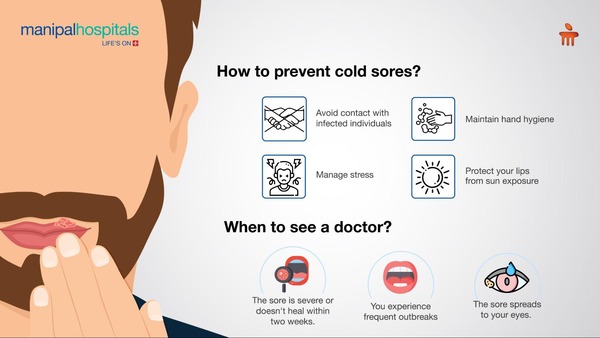
These home remedies may help manage mild symptoms and improve comfort during healing. However, medical care is advised if cold sores are severe, painful, occur frequently, or do not heal within two weeks. Professional evaluation ensures effective treatment and helps prevent complications.
Herpes symptoms in the mouth begin with tingling or burning, followed by small, fluid-filled blisters on the lips, gums, or inner cheeks. The lesions may be painful, crust over during healing, and sometimes occur with fever or swollen lymph nodes.
Yes. In addition to the lips, herpes symptoms involving the mouth may appear on the gums, inner cheeks, or roof of the mouth. Some individuals may also experience nasal cold sores symptoms, such as tingling, pain, crusting, or irritation around the nostrils.
Yes. Cold sores can be contagious even without visible blisters due to viral shedding. The risk is highest during active outbreaks, especially when blisters are present. However, transmission may still occur through close contact during the early tingling stages.
Most cold sores heal within 7 to 10 days without scarring. First-time outbreaks may last up to two weeks and can be more severe. Early treatment with antiviral medications can shorten healing time and reduce pain and discomfort.
Yes. Cold sores symptoms and causes can vary based on immune response, age, stress levels, and overall health. Some people experience mild tingling and small blisters, while others may have more painful, frequent outbreaks triggered by stress, illness, or sun exposure.



Visit the Global site for International patient services


