


Appointment Helpline


Bleeding gums symptoms are commonly experienced as bleeding during brushing, flossing, or while eating food. While occasional bleeding may occur due to aggressive brushing or improper flossing techniques, persistent or recurrent bleeding gums often indicate underlying gum disease. Bleeding gums is also medically referred to as gingival bleeding, which can affect individuals across all age groups and may range from mild, intermittent bleeding to severe gum inflammation. These symptoms can interfere with oral hygiene, eating comfort, and daily routines.
Bleeding gums may occur as an isolated symptom or alongside other signs such as gum swelling, redness, tenderness, bad breath, gum recession, tooth sensitivity, or loose teeth. In some cases, unexplained or excessive gum bleeding may be associated with blood disorders or malignancies and warrants prompt medical evaluation. Hormonal changes are another contributing factor, as bleeding gums in early pregnancy are common due to increased blood flow and gum sensitivity. Additionally, in people with poorly controlled blood sugar levels, bleeding gums may heal slowly and increase the risk of infections.
At Manipal Hospitals, bleeding gums are evaluated through a structured dental and medical assessment. Specialists carefully assess symptoms, oral hygiene practices, medical history, and associated health conditions to identify the underlying cause and recommend treatment.

Consult a doctor online in just 10 minutes – anytime, anywhere!
Bleeding gums can present differently depending on the underlying cause, oral hygiene practices, and overall health. Common symptoms include:
Bleeding during brushing, flossing, or chewing food
Red, swollen, tender, or visibly inflamed gums
Spongy gums that bleed easily
Persistent bad breath or an unpleasant metallic taste in the mouth
Gum recession exposing the roots of the teeth
Pain, soreness, or discomfort while brushing or eating
Loose teeth in advanced stages of gum disease
Increased gum sensitivity to hot, cold, or sweet foods
These symptoms may begin mildly but can worsen over time if oral health issues are left untreated. In some individuals, bleeding gums may also be linked to nutritional deficiencies, hormonal changes, diabetes, or blood-related conditions.
If gum bleeding is persistent, excessive, painful, or occurs without obvious triggers such as brushing or flossing, prompt medical or dental evaluation is recommended. Early assessment helps identify contributing factors, prevents the progression of gum disease, and supports health.
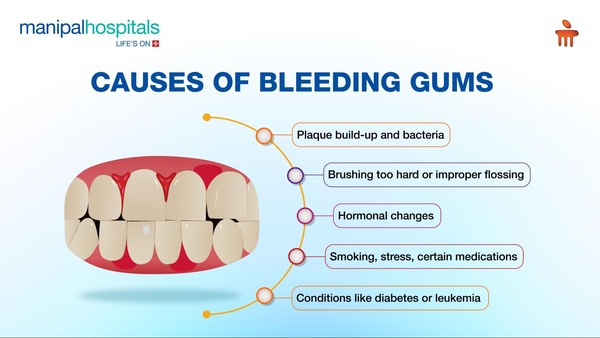
Spongy and bleeding gums are symptoms of gingivitis and may result from local oral conditions or broader systemic health issues. Common causes include:
Plaque and tartar buildup that irritate the gums and lead to gingivitis
Periodontitis is an advanced gum disease that damages gum tissue and supporting bone
Improper brushing or flossing techniques can injure the gums
Hormonal changes during pregnancy cause increased blood flow and gum sensitivity
Nutritional deficiencies, especially vitamin C deficiency, where bleeding gums may indicate poor nutrition
Diabetes-related gum disease due to poor blood sugar control contributes to inflammation and delayed healing
Tobacco use, chronic stress, and certain medications that worsen gum health
Rare systemic conditions affect immunity or blood clotting
Identifying the root cause is essential for selecting the right treatment, preventing progression of gum disease, and avoiding long-term oral and systemic complications.
Diagnosis of bleeding gums involves a complete dental and medical evaluation to identify local oral causes and underlying systemic conditions. At Manipal Hospitals, specialists follow a structured and patient-centred diagnostic approach to ensure accurate identification of bleeding gums and appropriate treatment planning.
Review of symptom history: Doctors assess the duration, frequency, severity, and triggers of gum bleeding, including whether it occurs during brushing, eating, or spontaneously
Evaluation of oral hygiene practices: Daily brushing and flossing techniques, frequency of dental visits, and use of tobacco products are carefully reviewed
Lifestyle and medical assessment: Factors such as smoking, stress, pregnancy, diabetes, medications, and nutritional status are evaluated
Clinical oral examination: Gums, teeth, and surrounding oral tissues are examined for redness, swelling, tenderness, plaque buildup, infection, or gum recession
Periodontal probing: Measurement of gum pockets helps assess gum attachment loss and bone support around teeth
Dental X-rays: Imaging is used to detect bone loss, deep infections, or advanced periodontal disease
Blood investigations: Advised when systemic causes such as diabetes, vitamin deficiencies, blood disorders, or malignancy are suspected
This thorough diagnostic process enables early detection of gum disease, identifies systemic contributors, and supports personalised treatment planning. Timely diagnosis helps prevent disease progression, tooth loss, and complications affecting overall health.
Treatment for bleeding gums depends on the underlying cause, severity of gum disease, and overall health status. Management focuses on controlling infection, reducing inflammation, and restoring gum health. Common treatment options include:
Professional dental cleaning, including the removal of plaque and tartar above and below the gum line, to reduce irritation and infection
Antimicrobial mouthwashes help control harmful bacteria and support healing alongside routine brushing and flossing
Improved oral hygiene techniques, including the use of soft-bristled toothbrushes, gentle brushing methods, and correct flossing techniques
Effective management of diabetes, vitamin deficiencies, or hormonal imbalances that contribute to gum bleeding
Lifestyle modifications, including smoking cessation, stress reduction, and dietary improvements to support gum health
Periodontal procedures such as deep cleaning, flap surgery, or gum grafting are used in severe cases
Early diagnosis and timely treatment help restore healthy gums, reduce bleeding, and prevent disease progression.
For mild cases of bleeding gums, supportive home care measures can help reduce inflammation, control plaque buildup, and promote gum healing. Common home-care measures include:
Gentle brushing twice daily using a soft-bristled toothbrush and fluoride toothpaste to avoid further gum irritation
Daily flossing with proper technique helps remove plaque and food particles from between teeth and along the gum line
Warm salt-water rinses reduce bacterial load and soothe inflamed gum tissues
Consuming fruits and vegetables supports gum health and prevents nutritional deficiencies
Avoiding tobacco products. Smoking and chewing tobacco worsen gum inflammation and delay healing
Routine examinations and professional cleanings help detect and manage early gum disease
While these home remedies can support symptom relief and improve gum health, they should not replace professional dental evaluation. Ongoing, recurrent, or excessive bleeding gums require a timely medical or dental assessment to identify underlying causes and prevent progression to advanced gum disease.
Common symptoms of bleeding gums include bleeding while brushing or flossing, swollen or tender gums, bad breath, gum recession, and increased sensitivity. Persistent gum bleeding should be medically evaluated to identify gum disease or underlying health conditions and prevent complications.
Yes. Although uncommon, unexplained or persistent bleeding gums may be a cancer symptom or indicate underlying blood disorders. Medical evaluation is advised if bleeding occurs without obvious causes or is accompanied by fatigue, bruising, or recurrent infections.
Yes. Bleeding gums can be a deficiency symptom of vitamin C, where reduced collagen formation weakens gum tissue and blood vessels. This leads to easy bleeding, swelling, delayed healing, and increased infection risk.
Yes. Bleeding gums in early pregnancy can be common due to hormonal changes. These changes can increase blood flow to the gums, making them more sensitive and prone to inflammation. Good oral hygiene and regular dental check-ups help manage symptoms.
Bleeding gums symptoms can be prevented by maintaining good oral hygiene, brushing gently with a soft toothbrush, and flossing daily. Eating a balanced, nutrient-rich diet, avoiding smoking or tobacco use, and regular dental check-ups help detect and manage gum problems early.



Visit the Global site for International patient services


