6 Min Read
Our kidneys, a pair of bean-shaped organs nestled below the rib cage, play a vital role in maintaining our health. They tirelessly filter waste products, excess water, and toxins from our blood, regulate blood pressure, produce red blood cells, and keep our bones strong. When these incredible organs begin to falter, the body struggles to function optimally, leading to a condition known as kidney failure.
Recognising the early signs of this silent threat is paramount for timely intervention and improved outcomes. It’s a concern that our dedicated nephrologists in Patiala frequently address, emphasising the importance of awareness. Understanding the initial kidney failure symptoms can make a significant difference in managing the condition. Let’s delve into what causes kidneys to struggle, the types of kidney failure, and the critical warning signs to watch out for.
Synopsis
Understanding Kidney Failure: The Underlying Causes
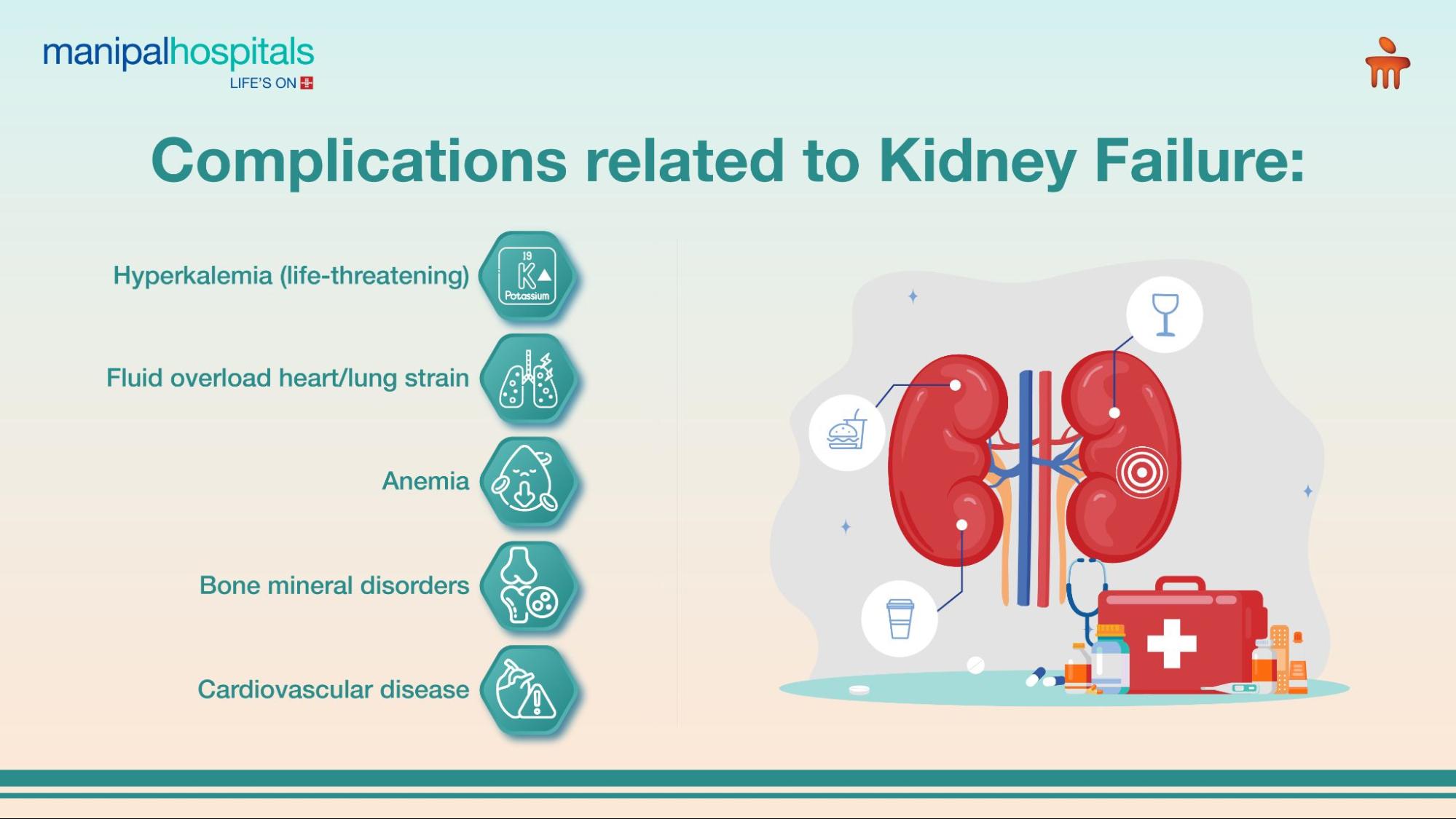
Kidney failure doesn't typically occur overnight; it's often the culmination of various health conditions that progressively damage the kidneys over time. Globally, chronic kidney disease (CKD) affects an estimated 1 in 10 adults, with the primary culprits being:
-
Diabetes: Uncontrolled high blood sugar damages the tiny blood vessels in the kidneys, impairing their filtering ability. Diabetes is responsible for over 40% of all kidney failure cases.
-
High Blood Pressure (Hypertension): Sustained high pressure can narrow and harden the arteries supplying blood to the kidneys, reducing blood flow and damaging kidney tissue. Hypertension accounts for nearly 30% of kidney failure cases.
-
Glomerulonephritis: A group of diseases that cause inflammation of the glomeruli, the tiny filters within the kidneys.
-
Polycystic Kidney Disease (PKD): A genetic disorder where cysts grow in the kidneys, eventually leading to kidney failure.
-
Urinary Tract Obstruction: Prolonged blockage of the urinary tract (due to kidney stones, enlarged prostate, or tumours) can back up urine and damage the kidneys.
- Recurrent Kidney Infections: Frequent and severe kidney infections can lead to permanent scarring and damage.
Types of Kidney Failure
Kidney failure can manifest in two primary forms, each with distinct characteristics:
-
Acute Kidney Injury (AKI): Formerly known as acute kidney failure, this is a sudden and rapid decline in kidney function, often occurring over hours or days. It can be caused by severe dehydration, significant blood loss, certain medications, or sudden blockages. The good news is that AKI is often reversible if diagnosed and treated promptly, with recovery rates often exceeding 80% when addressed quickly. The acute kidney failure symptoms often appear suddenly and can be severe.
-
Chronic Kidney Disease (CKD): This is a gradual and progressive loss of kidney function over months or years. CKD often has no symptoms in its early stages, making regular check-ups vital. It is usually irreversible, but its progression can be slowed significantly with proper management.
It's important to note that if you experience one kidney failure symptom, the other healthy kidney can often compensate for a long time, masking the problem. This is why a regular health check-up is crucial.
Critical Warning Signs: Kidney Failure Symptoms to Watch For
The insidious nature of kidney disease means that many people don't experience noticeable kidney failure symptoms until the condition is quite advanced. However, paying attention to subtle changes in your body can be life-saving. Here are the common symptoms of kidney failure:
-
Persistent Fatigue and Weakness: One of the most common and earliest symptoms of kidney failure. As kidneys fail, toxins build up, leading to a constant feeling of tiredness and a lack of energy, often accompanied by anaemia.
-
Swelling (Oedema): Failing kidneys can't remove excess fluid, leading to fluid retention. This often manifests as swelling in the legs, ankles, feet, hands, or face (puffy eyes).
-
Changes in Urination:
-
Frequent urination, especially at night (nocturia).
-
Foamy urine (due to protein in the urine).
-
Blood in the urine (haematuria).
-
Darker urine or reduced urine output.
-
Shortness of Breath: Fluid buildup in the lungs and anaemia (a common complication of kidney failure) can cause breathlessness, even with minimal exertion.
-
Nausea, Vomiting, and Loss of Appetite: The accumulation of waste products can cause digestive distress, leading to these symptoms.
-
Muscle Cramps and Restless Legs: Electrolyte imbalances (calcium, phosphorus, and potassium) can lead to painful muscle cramps, particularly in the legs, and an uncomfortable restless leg sensation.
-
Itchy Skin (Pruritus): As waste products build up in the blood, they can cause severe, persistent itching.
-
Difficulty Concentrating and Mental Fog: Toxin buildup can affect brain function, leading to memory problems, confusion, and difficulty concentrating.
-
Persistent Back or Side Pain: While less specific, dull pain in the lower back, particularly on one side, can sometimes indicate kidney problems, though it's often associated with other conditions.
-
High Blood Pressure: Kidneys play a crucial role in regulating blood pressure. When they are damaged, blood pressure can become difficult to control, creating a vicious cycle of further kidney damage.
Early detection of these kidney failure symptoms can significantly improve outcomes. Studies show that individuals who detect CKD early and manage it appropriately can slow its progression by up to 50%, preserving kidney function longer.
Diagnosis and Treatment
Diagnosing kidney failure typically involves simple tests:
-
Blood Tests: Measuring creatinine and urea levels to assess kidney function.
-
Urine Tests: Checking for protein or blood in the urine.
-
Imaging Tests: Ultrasounds or CT scans can visualise the kidneys and check for abnormalities.
Treatment focuses on managing the underlying cause, slowing progression, and alleviating symptoms. In advanced stages, options include dialysis (haemodialysis or peritoneal dialysis) or kidney transplantation. It’s encouraging to note that advancements in these treatments have significantly improved the outlook for patients; dialysis and kidney transplantation offer improved quality of life for over 90% of patients with advanced kidney disease who undergo them, allowing many to lead full and active lives.
If you are experiencing any of these kidney failure symptoms or have risk factors, it's crucial to seek timely medical advice. Early detection and intervention can significantly alter the course of kidney disease. Our expert nephrologists in Patiala are here to provide comprehensive care and support.
If you are experiencing these symptoms, it's crucial to seek timely medical advice. Book an appointment with our expert nephrologists in Patiala today.
FAQ's
Diabetes and high blood pressure are the two leading causes of chronic kidney failure, accounting for the vast majority of cases worldwide.
Acute kidney failure can often be reversed with prompt treatment. Chronic kidney failure, however, is generally not curable, but its progression can be significantly slowed, and symptoms managed through various treatments.
Maintain a healthy lifestyle, control blood pressure and blood sugar, drink enough water, avoid excessive use of NSAIDs, and get regular medical check-ups, especially if you have risk factors.
Early symptoms are often subtle and non-specific, such as fatigue, swelling in the legs, and changes in urination frequency. Regular screenings are vital for early detection.
Acute kidney failure is a sudden loss of kidney function over hours or days, often reversible. Chronic kidney failure is a gradual, long-term decline in kidney function, usually irreversible but manageable.
Share this article on: