8 Min Read
Heart failure, often misunderstood as the heart stopping, is actually a chronic, progressive condition where the heart muscle cannot pump enough blood to meet the body's needs. This vital organ works tirelessly, but when its function is impaired, it can lead to a cascade of symptoms that, if recognised early, can significantly alter the course of the disease and improve quality of life. Our cardiologists in Patiala believe in empowering our patients with knowledge, enabling timely action that can make a profound difference. Understanding the early signs—such as breathlessness, swelling, and persistent tiredness—is your first step towards safeguarding your heart health.
Synopsis
Understanding Heart Failure: The Basics
The heart is an incredible pump, delivering oxygen-rich blood throughout your body. Heart failure occurs when the heart becomes too weak or stiff to fill or pump blood efficiently. This doesn't mean your heart has failed; rather, it means it's not working as effectively as it should. It can affect one or both sides of the heart, leading to different symptom presentations.
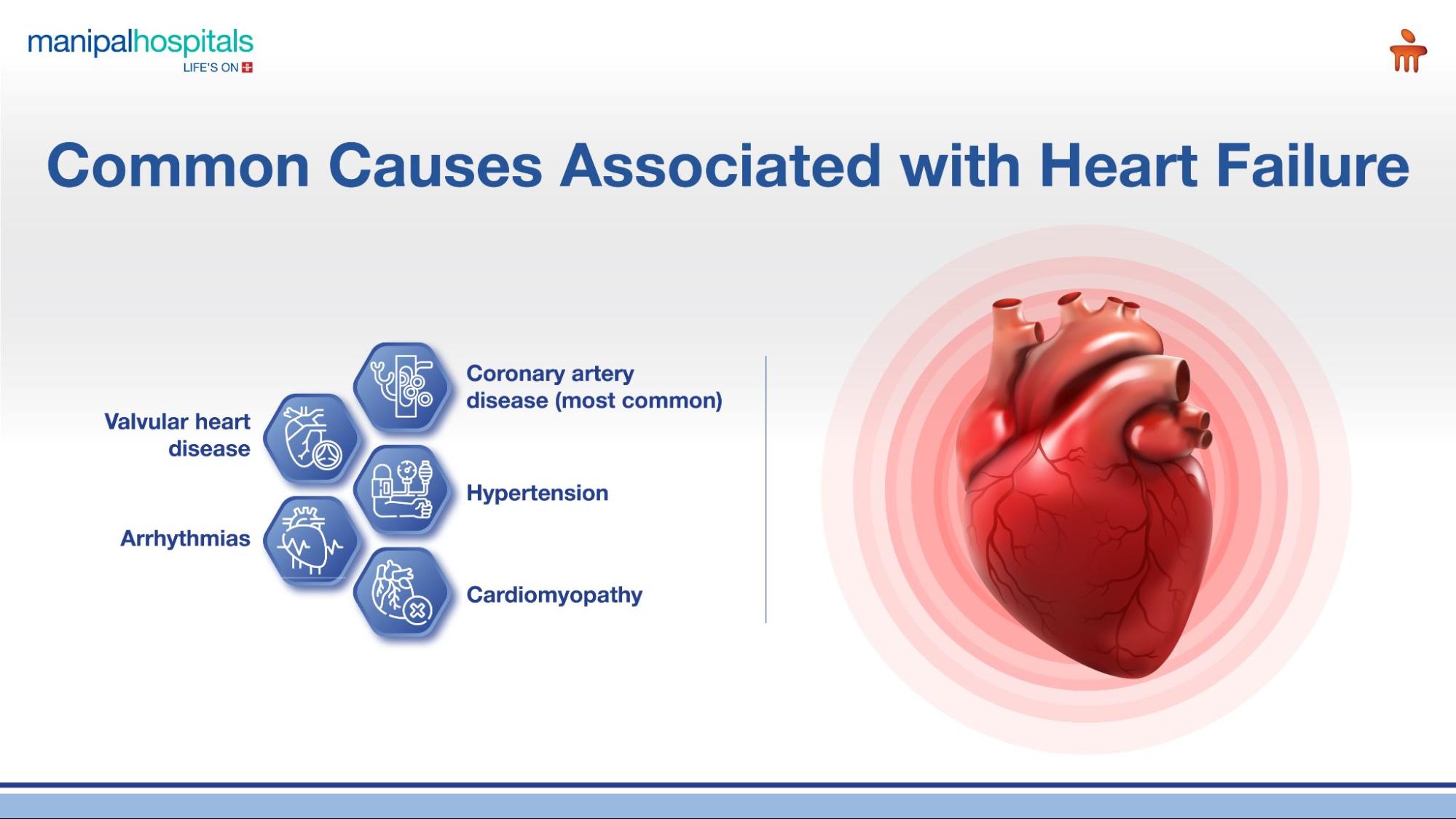
While often associated with older age, heart failure can affect people of all ages, including children. Conditions like coronary artery disease, high blood pressure, diabetes, and certain arrhythmias are common culprits. The good news is that with early detection and advancements in medical science, management strategies have vastly improved, allowing many patients to lead active and fulfilling lives.
Early Warning Signs: What to Look For
Recognising the initial subtle signs of heart failure is crucial. These symptoms can often be mistaken for normal ageing or other less serious conditions, leading to dangerous delays in diagnosis. However, paying close attention to your body can provide vital clues.
Shortness of Breath (Dyspnea)
One of the most common and often distressing symptoms is shortness of breath, particularly during physical activity or when lying down. Initially, you might notice:
-
Difficulty breathing during exercise that you once found easy.
-
Waking up at night feeling breathless, often requiring you to sit up or use extra pillows.
-
Persistent cough or wheezing, sometimes producing white or pink-tinged mucus, due to fluid buildup in the lungs.
Swelling (Oedema)
When the heart can't pump blood effectively, fluid can back up in the body. This fluid retention often manifests as swelling, primarily in the lower extremities.
-
Swelling in your legs, ankles, and feet, often noticeable by indentations left by socks.
-
Sudden weight gain from fluid retention.
-
Bloating or swelling in the abdomen.
Persistent Tiredness and Fatigue
If your heart isn't pumping enough oxygen-rich blood to your muscles and organs, your body will try to conserve energy. This can lead to profound and unexplained fatigue.
-
Feeling unusually tired or weak, even after adequate rest.
-
Difficulty performing daily activities due to lack of energy.
-
Reduced capacity for physical activity.
Other Subtle Symptoms
Beyond the primary three, other indicators might include:
-
Lack of appetite or nausea.
-
Difficulty concentrating or reduced alertness.
-
Increased heart rate or a sensation of your heart pounding.
-
Chest pain, especially if it's related to underlying coronary artery disease.
If you experience any combination of these symptoms, especially if they are new or worsening, it's imperative to consult a healthcare professional without delay.
Diagnosing Heart Failure: The Path to Clarity
A diagnosis of heart failure begins with a thorough medical history and physical examination. Your doctor will ask about your symptoms, lifestyle, and any existing medical conditions.
Initial Assessment
-
Physical Exam: Checking for fluid retention, listening to your heart and lungs for abnormal sounds.
-
Blood Tests: To check kidney function, thyroid levels, and specific markers like B-type natriuretic peptide (BNP), which are elevated in heart failure.
-
Electrocardiogram (ECG): To check for heart rhythm abnormalities or signs of heart damage.
-
Chest X-ray: To assess the size of your heart and check for fluid in your lungs.
Advanced Diagnostics: Uncovering the Cause
To understand the underlying cause of heart failure and determine the best treatment, further specialised tests may be required. These are crucial for tailoring an effective management plan.
-
Echocardiogram: This ultrasound of the heart provides detailed images of its structure and function, including the ejection fraction (how well your heart pumps blood).
-
Stress Test: To see how your heart performs under exertion.
-
Coronary Angiography: If coronary artery disease is suspected as a cause of heart failure, a coronary angiography may be recommended. This procedure involves inserting a thin, flexible tube (catheter) into a blood vessel, usually in the wrist or groin, and guiding it to the heart. A special dye is then injected, and X-ray images are taken to visualise the coronary arteries.
-
Cardiac MRI or CT Scan: These provide detailed images of the heart structure.
The Power of Early Detection and Management
The impact of early diagnosis and intervention in heart failure cannot be overstated. Studies show that patients diagnosed in the early stages, who adhere to their treatment plans, experience up to a 40% reduction in hospital readmissions and a significant improvement in their long-term prognosis. With modern therapies and lifestyle modifications, over 80% of individuals with early-stage heart failure can manage their symptoms effectively, leading to a substantial enhancement in their quality of life. At Manipal Hospitals, our multidisciplinary team of cardiologists, cardiac surgeons, and support staff work collaboratively to provide personalized care, focusing on early detection and comprehensive management strategies.
Living Well with Heart Failure: Recovery and Rehabilitation
Living with heart failure requires a commitment to a modified lifestyle and ongoing medical care, but it doesn't mean giving up on life. Cardiac rehabilitation programs, offered at leading institutions like Manipal Hospitals in Patiala, play a pivotal role. These programs provide supervised exercise, education on heart-healthy living, stress management techniques, and emotional support. Embracing these resources can help you regain strength, manage your condition, and maintain an excellent quality of life. Our dedicated team is here to support you every step of the way, providing advanced treatments and compassionate care.
If you or a loved one is experiencing these symptoms, it's crucial to seek timely medical advice. Book an appointment with our expert cardiologists in Patiala today.
FAQ's
Heart failure is a chronic condition where your heart can't pump enough blood to meet your body's needs. It doesn't mean the heart has stopped working, but rather that it's working less efficiently.
In most cases, heart failure is a chronic condition that cannot be cured but can be effectively managed with medication, lifestyle changes, and sometimes procedures, allowing many patients to live long, active lives.
Management typically involves a combination of medications to improve heart function and reduce symptoms, lifestyle modifications (diet, exercise), and regular monitoring. In some cases, devices like pacemakers or defibrillators, or surgical interventions, may be necessary.
Diet plays a significant role. A low-sodium diet is crucial to prevent fluid retention. Limiting unhealthy fats, cholesterol, and processed foods, while increasing consumption of fruits, vegetables, and whole grains, is highly recommended.
You should see a doctor as soon as possible if you experience persistent or worsening symptoms such as shortness of breath, swelling in your legs or ankles, unexplained fatigue, or a persistent cough, especially if they are new.
Share this article on:


--causes,-risks-and-when-to-seek-help.webp "Atrial Fibrillation Treatment: Symptoms, Causes & Risks")