
.webp "Vascular Diseases: Symptoms & Treatment")
Vascular Diseases
Vascular Diseases
Vascular diseases are a class of disorders that impair the function of blood vessels like arteries, veins, and capillaries. It disrupts blood flow throughout the body. Examples include atherosclerosis, peripheral artery disease, deep vein thrombosis, and varicose veins. Smoking, diabetes, high blood pressure, and high cholesterol levels are some of the risk factors. Manipal Hospitals provides comprehensive evaluation, diagnostic services, and multidisciplinary care for vascular diseases.
Our Locations
-

Old Airport Road - Bengaluru
-
.webp)
Mysuru
-
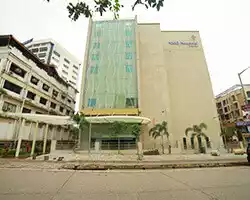
Mangaluru
-
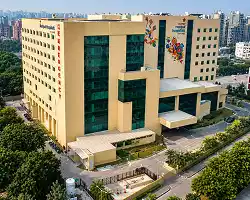
Dwarka - Delhi NCR
-
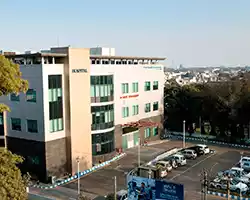
Patiala
-

Jaipur
-

Vijayawada
-
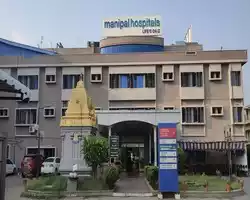
Salem
-

Salt Lake - Kolkata
-
Baner - Pune
-

Bhubaneswar
-

Siliguri
-

Ranchi

Didn’t find what you were looking for?
Get in touch with our representatives for help!
Request a CallbackSymptoms of Vascular Diseases
Vascular disease symptoms may vary depending on the affected vessels. They commonly include leg pain while walking, swelling, numbness, skin discolouration, non-healing wounds, or visible enlarged veins. Severe cases may present with sudden pain or signs of reduced blood flow.
How We Diagnose Vascular Diseases
Diagnosis of vascular diseases involves clinical examination and vascular investigations. Doctors evaluate pulses, blood flow, and limb function during examination. Tests such as Doppler ultrasound, ankle-brachial index, CT angiography, or MR angiography help visualise blood vessels, detect blockages, or any vascular abnormalities. These tests help in the accurate diagnosis and management of vascular diseases.
Treatment Options
Vascular disease treatment depends on the severity and type of the condition. Management may include lifestyle modification, medications that improve circulation or prevent clotting, and minimally invasive endovascular procedures. In some cases, surgery may help to restore adequate blood flow.
What to Expect
At Manipal Hospitals, patients with vascular diseases undergo a structured evaluation by specialists to determine the extent and severity of vascular involvement. The assessment includes clinical examination, imaging studies, and evaluation of risk factors.
Based on the diagnosis, an individualised treatment plan is developed that helps improve circulation and manage complications. In mild cases, doctors recommend lifestyle changes and dietary modifications, along with medications to control blood pressure, cholesterol, and blood clot formation.
For patients with arterial narrowing or venous disorders, minimally invasive procedures such as angioplasty, stenting, or endovenous treatments may be recommended. In advanced cases, surgical interventions such as bypass surgery may be required to restore blood flow.
Continuous monitoring and follow-up care help assess treatment effectiveness and manage disease progression. Patients are also educated about risk factor management and long-term vascular health. Prompt evaluation and specialised management can enhance treatment outcomes and minimise the risk of complications.
Consult our Experts
FAQs
-
What causes vascular diseases?
Vascular diseases may develop due to atherosclerosis, blood clots, inflammation of blood vessels, or weakened vessel walls. Common risk factors include smoking, diabetes, hypertension, obesity, sedentary lifestyle, and elevated cholesterol levels.
-
Can vascular diseases be prevented?
Yes. Maintaining a healthy lifestyle by exercising regularly, eating properly, controlling weight, and avoiding smoking can help reduce the risk. It is also crucial to control diabetes, hypertension, and cholesterol.
-
What happens if vascular diseases are left untreated?
If left untreated, vascular diseases may lead to complications such as chronic pain, ulcers, infections, or reduced blood supply to the tissues. In severe cases, this may result in tissue damage or may need more complex medical interventions for management.
-
When should someone seek medical attention for vascular diseases?
If you experience persistent leg pain, swelling, non-healing wounds, or sudden limb discomfort, it is important to seek medical attention. Early diagnosis and treatment can help prevent complications such as tissue damage or circulatory problems.
-
Are vascular diseases life-threatening?
Some vascular conditions, such as deep vein thrombosis or severe arterial blockage, can become serious if left untreated. Receiving timely medical care and proper treatment is essential to minimise the risk of serious complications.



You’re on Our Indian Website
Visit the Global site for International patient services
'Click' to chat with us
