.webp "Uterine fibroids")

Uterine fibroids
Uterine fibroids
Uterine fibroids are benign growths of muscle and connective tissue that develop in or on the uterus. They are common during reproductive years and may vary in size and number. Hormones such as oestrogen and progesterone are believed to influence their growth. Some individuals experience heavy bleeding or pelvic pain, while others remain symptom-free. Manipal Hospitals provides comprehensive evaluation and personalised management for uterine fibroids.
Our Locations
-

Old Airport Road - Bengaluru
-
.webp)
Mysuru
-

Mangaluru
-
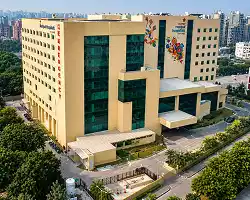
Dwarka - Delhi NCR
-

Patiala
-

Jaipur
-

Vijayawada
-

Salem
-
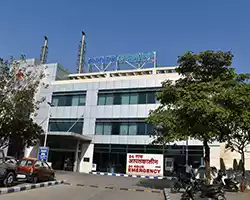
Kharadi - Pune
-

Salt Lake - Kolkata
-

Bhubaneswar
-

Siliguri
-

Ranchi

Didn’t find what you were looking for?
Get in touch with our representatives for help!
Request a CallbackSymptoms of Uterine fibroids
Uterine fibroids may cause heavy or painful menstrual bleeding and bleeding between periods. Some individuals experience pelvic pressure, frequent urination, constipation, or lower back pain. While small fibroids may remain symptom-free, larger fibroids can lead to abdominal swelling and discomfort during intercourse.
How We Diagnose Uterine fibroids
Uterine fibroids are diagnosed through clinical evaluation and imaging studies. Specialists begin with a detailed medical history and pelvic examination, especially in cases of heavy bleeding or pelvic pain. Ultrasound is commonly used to confirm size and location. MRI or hysteroscopy may be advised for further assessment. This helps specialists at Manipal Hospitals plan appropriate management.
Treatment Options
Uterine fibroids are managed according to symptom severity, size, and location. Treatment may include medicines to control bleeding and pain, hormonal therapy, or minimally invasive procedures. Surgical options are considered when symptoms persist or complications develop.
What to Expect
Uterine fibroids treatment journey begins with a detailed consultation to review symptoms, menstrual history, and previous test results. Doctors assess pelvic examination findings and recommend imaging, such as an ultrasound or an MRI, for confirmation. Based on the size, number, and location of fibroids, an individualised management plan is created.
Specialists at Manipal Hospitals focus on controlling heavy bleeding, relieving pain, and addressing fertility concerns where relevant. Management may include medicines, hormonal therapy, minimally invasive procedures, or surgery when required. Clear communication helps patients understand each recommended option.
During care, doctors monitor symptom improvement and check for concerns such as anaemia or persistent pelvic pressure. Recovery depends on the selected uterine fibroids treatment and overall health status. Some individuals require only observation and regular reviews. Others may need planned follow-up visits after medical or surgical intervention. Patients receive guidance on recognising recurring symptoms and maintaining general gynaecological health. Follow-up assessments support stable recovery and timely management of any changes.
Consult our Experts
FAQs
-
At what age are uterine fibroids commonly diagnosed?
Uterine fibroids are most often diagnosed during reproductive years, particularly between the ages of 30 and 50. They are uncommon before menstruation begins and may shrink after menopause due to reduced hormone levels.
-
What are the common uterine fibroids symptoms that require medical attention?
Common uterine fibroids symptoms include heavy or prolonged menstrual bleeding, pelvic pain, frequent urination, abdominal swelling, and discomfort during intercourse. Medical evaluation is advised if symptoms interfere with daily activities or cause anaemia.
-
What are the main causes of uterine fibroids?
The exact causes of uterine fibroids are not fully understood. Hormones such as oestrogen and progesterone are believed to influence their growth. Genetic factors, obesity, and early onset of menstruation may also increase risk.
-
Is the diagnosis of uterine fibroids painful?
Uterine fibroids diagnosis usually involves a pelvic examination and imaging tests such as an ultrasound. These procedures are generally well tolerated. Additional tests like hysteroscopy may cause mild discomfort but are typically brief.
-
Is surgery always required for uterine fibroids treatment?
Surgery is not always necessary for uterine fibroids treatment. Many individuals benefit from medicines or hormonal therapy. Surgical procedures are considered when symptoms are severe, persistent, or affecting fertility and quality of life.



You’re on Our Indian Website
Visit the Global site for International patient services
'Click' to chat with us
