
2.webp "Typhoid")
Typhoid
Typhoid
Typhoid is a bacterial infection caused by Salmonella typhi. It spreads through contaminated food and water and is more common in areas with poor sanitation. Typhoid causes prolonged fever and systemic illness if left untreated. Early medical care with appropriate typhoid treatment helps manage symptoms and prevent serious complications. Specialists at Manipal Hospitals provide prompt management for patients requiring comprehensive care.
Our Locations
-

Old Airport Road - Bengaluru
-
.webp)
Mysuru
-

Mangaluru
-
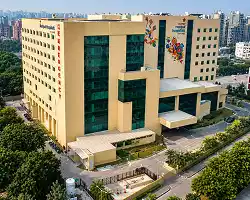
Dwarka - Delhi NCR
-

Patiala
-

Jaipur
-

Vijayawada
-

Salem
-
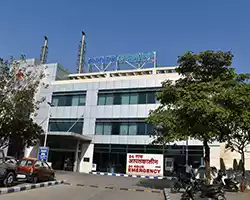
Kharadi - Pune
-

Salt Lake - Kolkata
-

Bhubaneswar
-

Siliguri
-

Ranchi

Didn’t find what you were looking for?
Get in touch with our representatives for help!
Request a CallbackSymptoms of Typhoid
Typhoid symptoms usually begin gradually and may include persistent high fever, weakness, headache, abdominal pain, and loss of appetite. Some individuals develop constipation or diarrhoea. In certain cases, a rash may appear. Without timely care, symptoms can worsen over time.
How We Diagnose Typhoid
The diagnosis of typhoid usually involves clinical evaluation and laboratory confirmation of infection. Doctors assess fever pattern, gastrointestinal symptoms, and exposure history. Blood tests, including blood culture, help detect Salmonella typhi. Additional tests, such as stool or urine culture, may be advised. These investigations confirm infection and guide appropriate typhoid treatment.
Treatment Options
Typhoid treatment focuses on eliminating the bacterial infection and preventing complications. Management includes prescribed antibiotics, adequate hydration, rest, and nutritional support. Early treatment reduces the duration of illness and lowers the risk of severe intestinal or systemic complications.
What to Expect
Typhoid management at Manipal Hospitals begins with a detailed consultation. Specialists assess fever duration, digestive symptoms, and possible exposure to contaminated food or water. They perform a physical examination and recommend laboratory tests to confirm the typhoid diagnosis. Early identification of the infection allows timely initiation of antibiotics.
Treatment is started based on confirmed or strongly suspected infection. Prescribed antibiotics help clear the bacteria, while supportive care focuses on maintaining hydration and electrolyte balance. Nutritional guidance is provided to support recovery and prevent weakness. In moderate to severe cases, hospital admission may be advised for close monitoring and intravenous medicines.
Patients are monitored for response to typhoid treatment and improvement in fever pattern. Follow-up evaluation ensures complete recovery and reduces the risk of relapse or complications such as intestinal bleeding. Patients are also guided on preventive measures to reduce the risk of recurrence and future infections. Structured medical care supports safe recovery and gradual return to normal activities.
Consult our Experts
FAQs
-
What are the common causes of typhoid?
Typhoid causes include infection with Salmonella typhi through contaminated food or water. Poor sanitation, unsafe drinking water, and close contact with an infected individual increase the risk. Travelling to areas with limited hygiene facilities also raises susceptibility.
-
How long do typhoid symptoms last?
Typhoid symptoms may gradually worsen over one to two weeks if untreated. With appropriate typhoid treatment using antibiotics, fever and other symptoms usually begin improving within a few days. Complete recovery may take several weeks.
-
Is typhoid diagnosis complicated?
Typhoid diagnosis is not complicated but requires laboratory confirmation. Doctors evaluate fever patterns and digestive symptoms and perform blood culture testing. Additional tests may be advised depending on clinical findings.
-
Can typhoid be prevented?
Typhoid can be prevented by maintaining proper hand hygiene, consuming safe drinking water, and avoiding contaminated food. Vaccination may be recommended for individuals living in or travelling to high-risk areas. Good sanitation practices significantly reduce transmission risk.
-
Can typhoid recur after treatment?
Typhoid can recur if the full antibiotic course is not completed or if reinfection occurs. Follow-up evaluation ensures complete bacterial clearance. Maintaining hygiene measures and safe food practices helps reduce the likelihood of relapse.



You’re on Our Indian Website
Visit the Global site for International patient services
'Click' to chat with us
