
3.webp "Type 2 diabetes")
Type 2 diabetes
Type 2 diabetes
Type 2 diabetes is a chronic metabolic disorder characterised by high blood sugar levels due to insulin resistance and insufficient insulin production. It develops gradually and is commonly associated with obesity, sedentary lifestyle, genetic predisposition, and ageing. Unlike Type 1 diabetes, the body still produces insulin but does not use it effectively. Manipal Hospitals provide regular screening and appropriate management to help prevent long-term complications affecting the heart, kidneys, nerves, and eyes.
Our Locations
-
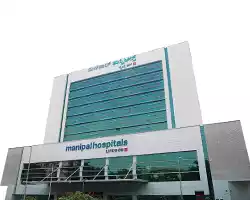
Old Airport Road - Bengaluru
-
.webp)
Mysuru
-

Mangaluru
-
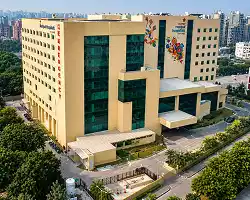
Dwarka - Delhi NCR
-

Patiala
-

Jaipur
-

Vijayawada
-

Salt Lake - Kolkata
-

Bhubaneswar
-
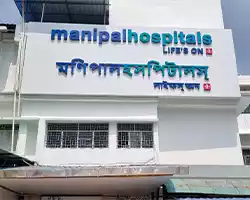
Siliguri
-
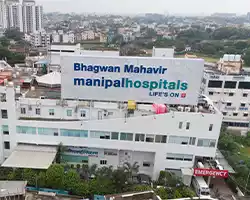
Ranchi

Didn’t find what you were looking for?
Get in touch with our representatives for help!
Request a CallbackSymptoms of Type 2 diabetes
Type 2 diabetes symptoms may develop slowly and can initially go unnoticed. Common symptoms include increased thirst, frequent urination, unexplained fatigue, blurred vision, slow wound healing, recurrent infections, and unexplained weight changes. Some may experience tingling or numbness in the hands and feet.
How We Diagnose Type 2 diabetes
Type 2 diabetes diagnosis is confirmed through blood tests that measure blood glucose levels. Doctors may recommend fasting blood sugar tests, postprandial blood sugar tests, HbA1c (glycated haemoglobin) levels, or an oral glucose tolerance test. A detailed medical history and physical examination help assess associated risk factors and detect early complications. These assessment and diagnostic evaluations guide appropriate treatment.
Treatment Options
Treatment focuses on maintaining stable blood sugar levels and preventing complications. Management includes lifestyle modifications, oral antidiabetic medications, insulin therapy in selected cases, and regular monitoring. Treatment plans are individualised based on blood sugar levels, overall health, and associated conditions.
What to Expect
Patients receiving management of type 2 diabetes at Manipal Hospitals can expect a comprehensive and multidisciplinary approach. The journey begins with a detailed evaluation of blood glucose levels, lifestyle habits, body weight, and existing health conditions. Doctors assess cardiovascular risk factors, kidney function, and other metabolic parameters to create a personalised treatment strategy.
Lifestyle modification is the cornerstone of care. Patients receive guidance on balanced nutrition, portion control, weight management, and regular physical activity. Structured dietary counselling helps maintain consistent blood sugar levels. Oral medications may be prescribed to stimulate insulin production or improve insulin sensitivity. In certain cases, insulin therapy may be recommended when blood glucose levels remain uncontrolled despite oral medications.
Regular follow-up visits are essential to monitor HbA1c levels, adjust treatment, and screen for complications such as neuropathy, retinopathy, and kidney disease. Ongoing education, self-monitoring of blood glucose, and multidisciplinary support play a crucial role in achieving long-term glycaemic control and improving overall quality of life.
Consult our Experts
FAQs
-
What are the common type 2 diabetes causes?
Type 2 diabetes causes include insulin resistance, obesity, physical inactivity, genetic predisposition, ageing, and unhealthy dietary habits. Certain hormonal disorders and long-term stress may also increase the risk of developing the condition.
-
What are the early type 2 diabetes symptoms?
Early type 2 diabetes symptoms may include increased thirst, frequent urination, fatigue, blurred vision, and slow wound healing. Since symptoms can develop gradually, regular screening is important for early detection and timely treatment.
-
Can type 2 diabetes be reversed?
In some individuals, especially in early stages, significant weight loss, healthy diet, and regular exercise may help achieve normal blood sugar levels. However, long-term monitoring remains essential to maintain control.
-
Is insulin always required in type 2 diabetes treatment?
Insulin is not required for all patients. It may be recommended when blood sugar levels remain uncontrolled with oral medications or during certain medical conditions. Treatment decisions are based on individual health status and disease progression.
-
How is type 2 diabetes diagnosis confirmed?
Type 2 diabetes diagnosis is confirmed through blood tests such as fasting blood sugar, HbA1c, or oral glucose tolerance tests. Persistent elevation in blood glucose levels indicates the presence of diabetes and requires medical management.



You’re on Our Indian Website
Visit the Global site for International patient services
'Click' to chat with us
