

Tumors
Tumors
A tumour is a mass of abnormal cells that form when cell growth becomes uncontrolled and old cells fail to die. It may affect tissues, glands, organs, skin, or bone. Tumours can be benign, malignant, or precancerous. Possible causes include genetic mutations, inherited conditions, toxins, radiation and certain viruses. Manipal Hospitals provides comprehensive evaluation, accurate diagnosis and personalised management for tumour conditions.
Our Locations
-

Old Airport Road - Bengaluru
-
.webp)
Mysuru
-

Mangaluru
-
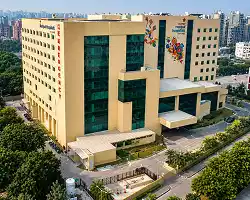
Dwarka - Delhi NCR
-
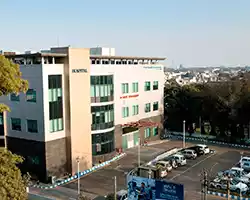
Patiala
-
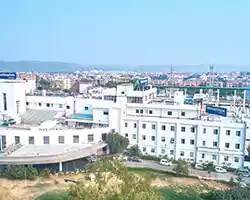
Jaipur
-

Vijayawada
-
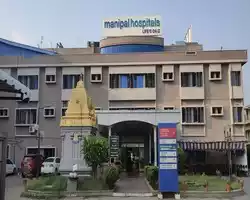
Salem
-
Kharadi - Pune
-

Salt Lake - Kolkata
-

Bhubaneswar
-

Siliguri
-

Ranchi

Didn’t find what you were looking for?
Get in touch with our representatives for help!
Request a CallbackSymptoms of Tumors
Tumour symptoms vary depending on size, location, and whether the growth is benign or malignant. Common signs include a new lump, fatigue, fever, night sweats, pain or unexplained weight loss. Certain tumours may not produce noticeable symptoms during the early stages.
How We Diagnose Tumors
Tumour diagnosis begins with a detailed medical history and physical examination. Doctors evaluate symptoms like lumps, pain or unexplained weight loss. Imaging tests and blood tests help identify abnormal growths. A biopsy confirms whether the tumour is benign or malignant. Manipal Hospitals provides expert diagnostic evaluation for tumour care.
Treatment Options
Treatment approaches for tumours vary based on their nature, size and location. Benign tumours may need monitoring or surgical removal if symptomatic. Malignant tumours may require surgery, chemotherapy, radiation therapy, hormone therapy or targeted therapy. Manipal Hospitals provides personalised tumour care.
What to Expect
Care for tumour conditions at Manipal Hospitals starts with a detailed consultation and clinical assessment. Specialists review medical history, symptoms and risk factors. A thorough physical examination is performed. Imaging tests and blood investigations may be advised to evaluate the growth. A biopsy is conducted when required to confirm the diagnosis and determine whether the tumour is benign, malignant or precancerous.
Once results are available, a personalised care plan is developed. The team explains suitable options, such as surgery, chemotherapy, radiation therapy, hormone therapy or targeted therapy. Treatment decisions depend on the tumour type, size and location. Supportive care is provided to manage symptoms and maintain comfort throughout therapy.
During hospital visits, patients receive clear guidance about procedures, preparation and expected timelines. Counselling and supportive services are available when required. After completion of treatment, regular follow-up visits are scheduled. These appointments monitor recovery and check for any recurrence. Guidance on lifestyle changes and ongoing care is provided. Comprehensive tumour management at Manipal Hospitals ensures coordinated care from diagnosis to long-term monitoring.
Consult our Experts
FAQs
-
Are all tumours cancerous?
No, not all tumours are cancerous. Tumours may be benign, malignant, or precancerous. Benign tumours usually remain localised and do not spread. Malignant tumours can invade nearby tissues or spread to distant organs and require prompt medical treatment.
-
What are common tumour symptoms to watch for?
Typical tumour symptoms may include a newly detected lump, persistent pain, unexplained weight loss, fatigue, fever or night sweats. Signs differ based on the tumour’s size and site. Certain tumours may remain asymptomatic during the initial stages.
-
Is a biopsy painful?
A biopsy is generally a minor procedure performed under local or general anaesthesia. Mild discomfort or soreness may occur afterwards. The procedure is important to confirm the diagnosis and determine whether the tumour is benign or malignant.
-
Is surgery always required for tumours?
Surgery is not always necessary. Some benign tumours only require monitoring if they do not cause symptoms. Malignant tumours may require surgery, chemotherapy, radiation therapy or other treatments depending on their type and stage.
-
Can tumour symptoms appear suddenly?
Tumour symptoms may develop gradually or, in some cases, appear suddenly. Rapid changes such as increasing pain, swelling or unexplained weight loss should be evaluated promptly to rule out complications or possible malignancy.



You’re on Our Indian Website
Visit the Global site for International patient services
'Click' to chat with us
