2.webp "Thyroid Disorders: Symptoms & Treatment | Manipal Hospitals")

Thyroid disorders
Thyroid disorders
Thyroid disorders are conditions that affect the thyroid gland, leading to an imbalance in hormone production and disrupting normal body functions. They may result from autoimmune conditions, iodine imbalance, inflammation, or thyroid nodules. These disorders can alter metabolism, energy levels, and overall health. Thyroid disorders may present as an underactive or overactive thyroid. Specialists at Manipal Hospitals provide clinical evaluation and appropriate management to support overall health.
Our Locations
-

Old Airport Road - Bengaluru
-
.webp)
Mysuru
-

Mangaluru
-
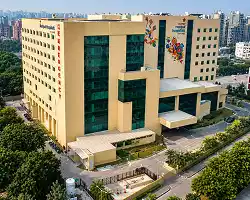
Dwarka - Delhi NCR
-

Patiala
-

Jaipur
-

Vijayawada
-

Salem
-

Salt Lake - Kolkata
-

Baner - Pune
-

Bhubaneswar
-

Siliguri
-

Ranchi

Didn’t find what you were looking for?
Get in touch with our representatives for help!
Request a CallbackSymptoms of Thyroid disorders
Thyroid disorders' symptoms vary based on hormone imbalance and may resemble other health conditions. Common signs include fatigue, weight changes, temperature sensitivity, and mood changes. Heart rate, sleep patterns, bowel habits and menstrual cycles may also be affected.
How We Diagnose Thyroid disorders
Doctors begin thyroid disorders diagnosis with a clinical evaluation of symptoms and medical history. Specialists assess the neck for swelling or nodules during physical examination. Blood tests are used to measure thyroid hormone levels and detect imbalances. Imaging tests, such as ultrasound, help identify structural changes in the gland. Manipal Hospitals provides comprehensive diagnostic evaluation to support accurate diagnosis and effective management.
Treatment Options
Thyroid disorders treatment focuses on restoring normal hormone levels and managing symptoms. Options may include medications to regulate hormone levels, radioactive iodine therapy, or surgery in selected cases.
What to Expect
Patients with thyroid disorders receive structured care at Manipal Hospitals, focused on restoring hormone balance and supporting overall body functions. The process begins with a detailed consultation, during which the specialists review symptoms, medical history, and possible risk factors. A physical examination, including assessment of the neck for enlargement or nodules, is performed. Blood tests and imaging studies are advised to evaluate hormone levels and identify the underlying cause. Based on these findings, a personalised treatment plan is developed according to the patient’s condition and overall health status.
Thyroid disorder treatment may include medications to regulate hormone levels, supportive therapies, or surgical evaluation in selected cases. Regular monitoring is carried out through follow-up visits and repeat tests to track hormone levels and treatment response. Patients are also guided on medication adherence and lifestyle measures to support long-term management. Ongoing care focuses on maintaining hormonal balance, managing symptoms, and supporting overall well-being.
Consult our Experts
FAQs
-
What are the early signs of thyroid disorders?
Early signs of thyroid disorders include fatigue, weight changes, mood fluctuations, and sensitivity to heat or cold. Some individuals may also notice changes in heart rate, sleep patterns, bowel habits, or neck swelling due to gland enlargement.
-
Is long-term treatment required for thyroid conditions?
Thyroid disorder treatment often requires long-term management, especially in chronic conditions. Treatment plans may include medications or other therapies, with regular monitoring to maintain hormone balance and prevent complications.
-
Is surgery necessary for all thyroid conditions?
Surgery is not required for all cases. It is usually considered when medications are ineffective, nodules cause compressive symptoms, or there is suspicion of malignancy. Most thyroid conditions are managed effectively with non-surgical treatment options.
-
Can thyroid conditions affect daily life and routine activities?
Thyroid conditions can influence energy levels, mood, and metabolism, which may affect daily activities. With appropriate treatment and regular monitoring, most individuals can manage symptoms effectively and maintain a stable routine.
-
Can thyroid disorders be prevented?
Not all thyroid disorders can be prevented, especially those caused by autoimmune conditions. However, maintaining adequate iodine intake, regular health check-ups, and early evaluation of symptoms can help in the timely detection and effective management of thyroid conditions.



You’re on Our Indian Website
Visit the Global site for International patient services
'Click' to chat with us
