
.webp "Thalassemia")
Thalassemia
Thalassemia
Thalassemia is a genetic blood disorder caused by changes in the genes responsible for producing haemoglobin. Haemoglobin is the protein in red blood cells that carries oxygen throughout the body. Depending on the affected part of haemoglobin, it is classified as alpha thalassemia or beta thalassemia. Symptoms depend on the type and number of genes affected, often requiring careful monitoring and management. Manipal Hospitals provides specialised thalassemia treatment tailored to each patient’s condition.
Our Locations
-

Old Airport Road - Bengaluru
-
.webp)
Mysuru
-

Mangaluru
-
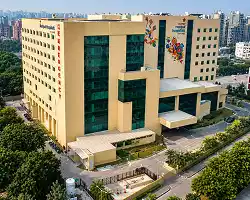
Dwarka - Delhi NCR
-

Patiala
-
Jaipur
-
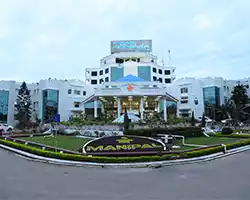
Vijayawada
-
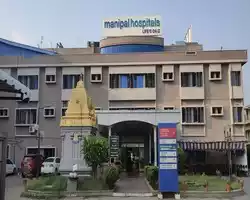
Salem
-
Kharadi - Pune
-

Salt Lake - Kolkata
-

Bhubaneswar
-
Siliguri
-

Ranchi

Didn’t find what you were looking for?
Get in touch with our representatives for help!
Request a CallbackSymptoms of Thalassemia
Symptoms vary depending on the type and severity. They includes persistent fatigue, pale skin, frequent infections, dark urine, and an enlarged spleen. Thalassemia symptoms in moderate to severe cases include delayed puberty, facial bone deformities, jaundice, shortness of breath, and poor appetite.
How We Diagnose Thalassemia
Thalassemia diagnosis depends on clinical and laboratory assessment. Blood tests are performed, including a complete blood count and reticulocyte count. Haemoglobin electrophoresis helps identify haemoglobin abnormalities. Iron studies assess iron levels. Genetic testing helps confirm the diagnosis or carrier status, while imaging tests help evaluate organ enlargement and detect possible iron overload. This helps specialists guide management plans.
Treatment Options
Thalassemia treatment depends on disease severity. Treatment includes blood transfusions, iron chelation therapy, and folic acid supplementation. In selected cases, bone marrow or stem cell transplantation may be recommended. Careful monitoring of organ function and iron levels is essential during treatment.
What to Expect
At Manipal Hospitals, individuals with thalassemia receive coordinated, long-term care from experienced haematologists and support teams. The process begins with a detailed clinical evaluation and laboratory testing to determine the type and severity of thalassemia. The treatment approach is based on a thorough evaluation to provide effective treatment and continuous care to the patient.
Based on the evaluation, specialists explain the thalassemia treatment approach, expected outcomes, benefits, potential side effects, and long-term care requirements. Regular monitoring of organ function and iron levels is also an essential part of ongoing treatment to prevent complications. Nutritional counselling, infection prevention guidance, and psychological support are provided as part of comprehensive care.
Regular follow-up visits help monitor treatment response, iron levels, and organ health. Long-term monitoring ensures early detection of complications and timely adjustments in therapy. With structured care and continuous support, many individuals with thalassemia can maintain an active and productive life.
Consult our Experts
FAQs
-
Can thalassemia be cured or prevented?
Thalassemia cannot be prevented after birth. However, genetic counselling and carrier screening before marriage or pregnancy can help assess the risk of having a child with thalassemia. Currently, stem cell or bone marrow transplantation is the only potential cure in selected cases.
-
Is it possible for two thalassemia minors (carriers) to get married?
Yes, it is possible. However, if both partners are carriers, there is a 25% chance in each pregnancy that the child may have thalassemia major. Genetic counselling is strongly recommended before planning a family.
-
What are the prominent symptoms of thalassemia?
The prominent thalassemia symptoms include extreme fatigue, pale skin, impaired growth, abdominal swelling, and dark urine. In severe cases of thalassemia, facial bone deformities, poor appetite, and jaundice are noticed.
-
What health complications develop due to thalassemia?
Due to excess iron from regular blood transfusions or from the disease itself, thalassemia patients can suffer from heart, liver, and endocrine damage. They may also have an increased risk of infections, especially with frequent transfusions.
-
What is the life expectancy of individuals with thalassemia?
In case of mild thalassemia, patients can expect a normal life. Even with moderate-to-severe cases, long-term survival is possible with a structured thalassemia treatment programme. It may include blood transfusions and iron chelation therapy.



You’re on Our Indian Website
Visit the Global site for International patient services
'Click' to chat with us
