2.webp "Solid Tumors: Diagnosis & Treatment | Manipal Hospitals")

Solid Tumors
Solid Tumors
Solid tumours are abnormal masses of tissue that arise from uncontrolled cell growth in organs or tissues, excluding blood-related cancers. They may be benign or malignant and can affect organs such as the breast, lung, liver, or colon. These tumours may invade surrounding tissues or spread to distant sites (metastasis). Early diagnosis and appropriate treatment are essential for improved outcomes. Manipal Hospitals provides comprehensive oncology care for managing solid tumours.
Our Locations
-

Old Airport Road - Bengaluru
-
.webp)
Mysuru
-

Mangaluru
-
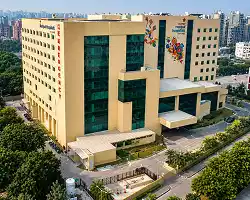
Dwarka - Delhi NCR
-

Patiala
-

Jaipur
-

Vijayawada
-
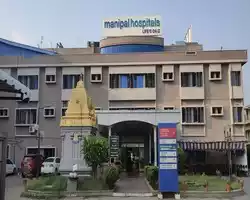
Salem
-
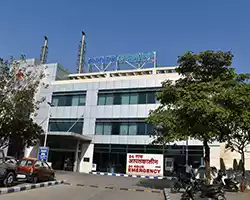
Kharadi - Pune
-

Salt Lake - Kolkata
-

Bhubaneswar
-
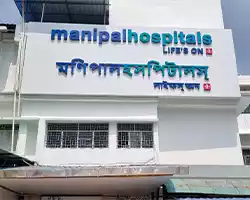
Siliguri
-

Ranchi

Didn’t find what you were looking for?
Get in touch with our representatives for help!
Request a CallbackSymptoms of Solid Tumors
Solid tumour symptoms vary depending on the tumour location and stage. They may include a palpable lump, pain, unexplained weight loss, and fatigue. Some patients may experience organ-specific symptoms such as cough, changes in bowel habits, or difficulty swallowing.
How We Diagnose Solid Tumors
Diagnosis of solid tumours involves clinical evaluation, imaging, and histopathological confirmation. Imaging modalities such as ultrasound, CT, MRI, or PET scans help assess tumour size, location, and spread. A biopsy is essential to confirm the diagnosis and determine tumour type. Additional laboratory tests and molecular studies may be performed to guide prognosis and treatment planning.
Treatment Options
Solid tumour treatment depends on tumour type, stage, and patient condition. Treatment options may include chemotherapy, surgery, radiation therapy, targeted therapy, or immunotherapy. Treatment plans are individualised to achieve optimal tumour control and improve survival outcomes.
What to Expect
At Manipal Hospitals, patients diagnosed with solid tumours undergo a comprehensive evaluation to determine tumour type, stage, and overall health status. This includes imaging, biopsy, and laboratory investigations to support treatment planning. Staging helps assess the extent of disease and guides appropriate treatment decisions.
A multidisciplinary team develops an individualised management plan. The choice of therapy depends on tumour characteristics, stage, and patient factors. Early-stage tumours may be treated effectively with surgery, while advanced cases often require a combination of therapies.
Solid tumour treatment may involve surgery to remove the tumour, followed by chemotherapy or radiation therapy to eliminate residual disease. Doctors may recommend targeted therapy or immunotherapy based on molecular profiling to improve treatment precision and outcomes.
Supportive care plays a crucial role in managing treatment-related side effects and maintaining quality of life. Nutritional support, pain management, and psychological counselling are integrated into care. Regular follow-up helps monitor treatment response, detect recurrence early, and adjust treatment strategies as needed.
Consult our Experts
FAQs
-
What leads to the formation of solid tumours?
Solid tumours develop due to genetic mutations that cause uncontrolled cell growth. Risk factors such as smoking, environmental exposures, infections, hormonal influences, and inherited genetic conditions increase susceptibility to certain cancers.
-
Can solid tumours spread to other organs?
Yes. Malignant solid tumours can spread to other organs through metastasis. Cancer cells may travel via the bloodstream or lymphatic system, forming secondary tumour formation in distant parts of the body.
-
Are all solid tumours cancerous?
No. Not all solid tumours are cancerous. Benign tumours do not invade nearby tissues or spread to other parts of the body. Malignant tumours are cancerous and can grow aggressively and may metastasise.
-
How important is early detection?
Early detection is critical for improving treatment outcomes. Tumours identified at an early stage are more likely to be treated successfully with curative intent. This reduces the risk of spread and improves overall survival rates.
-
What follow-up is required after treatment?
Follow-up care for solid tumours includes regular clinical evaluations, imaging studies, and laboratory tests to monitor treatment response and detect recurrence. This ongoing surveillance supports timely intervention and long-term recovery.



You’re on Our Indian Website
Visit the Global site for International patient services
'Click' to chat with us
