.webp "Road Traffic Accidents: Injuries & Treatment | Manipal Hospitals")

Road Traffic Accident
Road Traffic Accident
Road traffic accidents involve collisions between vehicles, pedestrians, or cyclists and can cause injuries ranging from minor to severe. Factors such as speeding, impaired driving, poor road conditions, and human error commonly lead to these incidents. These injuries may affect multiple organ systems and require prompt assessment and care. Manipal Hospitals provides comprehensive emergency care for road traffic accident injuries.
Our Locations
-
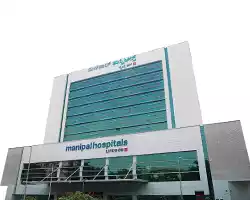
Old Airport Road - Bengaluru
-
.webp)
Mysuru
-
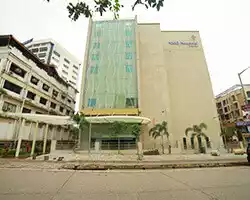
Mangaluru
-
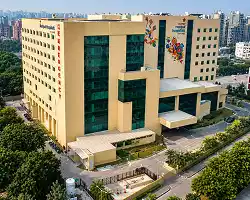
Dwarka - Delhi NCR
-
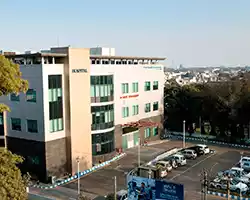
Patiala
-
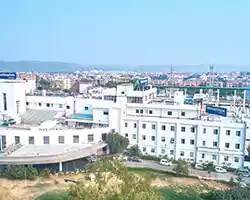
Jaipur
-

Vijayawada
-
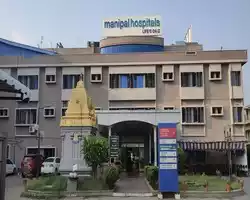
Salem
-

Salt Lake - Kolkata
-
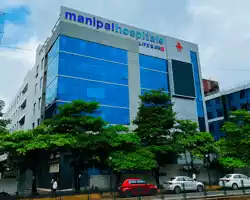
Baner - Pune
-

Bhubaneswar
-
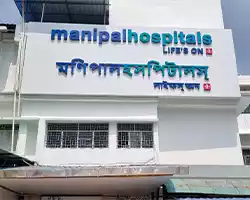
Siliguri
-

Ranchi

Didn’t find what you were looking for?
Get in touch with our representatives for help!
Request a CallbackSymptoms of Road Traffic Accident
Road traffic accidents can cause bleeding, pain, fractures, head injury, breathing difficulty, or loss of consciousness. Symptoms vary depending on severity and may include swelling, internal injuries, or neurological impairment, all of which require urgent medical evaluation.
How We Diagnose Road Traffic Accident
Doctors begin diagnosis with a primary trauma assessment, focusing on airway, breathing, and circulation. They perform a clinical examination and recommend imaging tests such as X-rays, CT scans, or ultrasound (FAST scan) to identify fractures, internal bleeding, or organ injury. They also use laboratory tests to support clinical findings. Early evaluation helps ensure accurate diagnosis and timely treatment.
Treatment Options
Accident emergency care focuses on stabilising the patient, relieving pain, and preventing complications. Management may include wound care, fracture immobilisation, medications, surgical intervention, and intensive monitoring based on the type and severity of injury.
What to Expect
At Manipal Hospitals, patients arriving after road traffic accidents undergo a preliminary and structured trauma evaluation. This helps to assess the type and severity of road accident injuries. The clinical team prioritises life-saving interventions, ensuring airway stability, adequate breathing, and circulation support.
After initial stabilisation of the patient, detailed imaging and clinical assessments help guide further management. Treatment is individualised based on the nature of injuries. This may involve orthopaedic care for fractures, neurosurgery for head injuries, or general surgery for internal organ damage.
Patients with moderate to severe trauma may require admission to the intensive care unit for continuous monitoring and advanced care. Rehabilitation plays a crucial role in recovery, especially in musculoskeletal or neurological injuries, helping restore function and mobility.
Emergency physicians, surgeons, physiotherapists, and critical care specialists work together as a multidisciplinary team to provide coordinated care. Trauma care after an accident includes follow-up evaluations, patient education, and long-term recovery planning. With timely intervention and comprehensive care, many patients achieve improved outcomes and functional recovery.
Consult our Experts
FAQs
-
What should be done immediately after a road traffic accident?
After a road traffic accident, immediate steps include ensuring personal safety, calling emergency services, and avoiding unnecessary movement of injured individuals. Basic first aid may be provided if trained. Prompt medical evaluation is essential even if injuries appear minor.
-
What are the common causes of road traffic accidents?
Common causes of road traffic accidents include speeding, distracted driving, alcohol consumption, poor road conditions, and non-adherence to traffic rules. Environmental factors and vehicle-related issues may also increase the risk of an accident.
-
What kinds of injuries happen most often in road accidents?
Common road accident injuries include fractures, head injuries, spinal trauma, soft tissue injuries, and internal bleeding. Severity ranges from minor bruises to life-threatening conditions, depending on the impact.
-
Can road traffic accident injuries have long-term effects?
Yes. Some injuries may lead to chronic pain, disability, neurological deficits, or psychological effects such as post-traumatic stress. Timely post accident treatment and rehabilitation can support better recovery and reduce the risk of long-term complications.
-
When should someone seek emergency medical care after an accident?
After an accident, emergency care is necessary if there is severe pain, bleeding, unconsciousness, confusion, breathing difficulty, or suspected fractures. Even mild symptoms should be medically evaluated, as some internal injuries may not be immediately apparent.



You’re on Our Indian Website
Visit the Global site for International patient services
'Click' to chat with us
