_(1).webp "Prostate Disorders: Symptoms, Causes & Treatment | Manipal Hospitals")
.webp "Prostate Disorders: Symptoms, Causes & Treatment | Manipal Hospitals")
Prostate
Prostate
Prostate disorders affect the prostate, a small gland in the male reproductive system that produces fluid for semen. These conditions include enlargement, inflammation and cancer. They may develop due to ageing, infection, hormonal changes, or abnormal cell growth. Symptoms often affect urination and sexual function. Specialists at Manipal Hospitals assess concerns and provide appropriate management to support overall prostate health.
Our Locations
-

Old Airport Road - Bengaluru
-
.webp)
Mysuru
-

Mangaluru
-
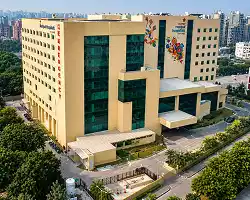
Dwarka - Delhi NCR
-

Patiala
-

Jaipur
-

Vijayawada
-
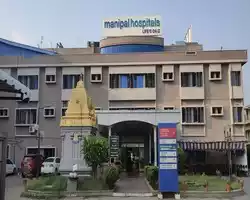
Salem
-
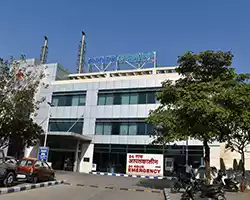
Kharadi - Pune
-

Salt Lake - Kolkata
-

Bhubaneswar
-

Siliguri
-

Ranchi

Didn’t find what you were looking for?
Get in touch with our representatives for help!
Request a CallbackSymptoms of Prostate
Prostate symptoms vary depending on the underlying condition. Common signs include blood in semen or urine, difficulty starting urination, dribbling, and sudden urges to urinate. Pain during urination, ejaculation, or sexual intercourse, loss of bladder control and erectile difficulties may occur.
How We Diagnose Prostate
Prostate diagnosis begins with a clinical evaluation and review of symptoms and medical history. Doctors may perform a digital rectal examination and recommend a prostate-specific antigen blood test. Urine tests help detect infection or other abnormalities. Imaging, cystoscopy, or biopsy may be advised when required. These assessments help specialists at Manipal Hospitals identify the cause and plan appropriate management.
Treatment Options
Prostate treatment options focus on managing the condition and supporting prostate health. Care may include regular screenings, physical activity, and healthy eating habits. In certain cases, like cancer, surgery may be considered.
What to Expect
The prostate treatment journey begins with a detailed consultation to review symptoms, medical history, and test results. Doctors assess findings from examinations, blood tests, urine tests, and imaging studies. Based on the cause, such as enlargement, inflammation, or cancer, doctors create an individualised plan. Specialists at Manipal Hospitals focus on easing discomfort and protecting overall health. Management may include medicines, monitoring, or procedures to relieve urinary blockage. Clear communication helps patients understand their diagnosis and treatment plan.
During care, doctors monitor symptom improvement and any changes in sexual or bladder function. Recovery depends on the selected prostate treatment options and the individual’s general health. Some people require only lifestyle guidance and regular screenings. Others may need ongoing medical support or follow-up visits after procedures. Patients receive advice on physical activity, a healthy diet, and stopping tobacco use to support prostate health. Follow-up assessments help ensure stable recovery and early identification of recurring concerns.
Consult our Experts
FAQs
-
What are the common prostate causes?
Common prostate causes include ageing-related enlargement, inflammation of the gland and abnormal cell growth. Benign enlargement may narrow the urethra, infections can lead to prostatitis, while uncontrolled cell growth may result in cancer. Early evaluation helps determine the exact cause.
-
Which prostate symptoms require medical attention?
Prostate symptoms such as blood in urine or semen, difficulty urinating, sudden urgency, or pain during urination require medical evaluation. Loss of bladder control or persistent erectile difficulties also need attention. Early consultation helps prevent complications and supports timely care.
-
What tests are done for prostate disorders diagnosis at Manipal Hospitals?
A prostate diagnosis includes a clinical consultation and a digital rectal examination. Doctors may advise a prostate-specific antigen blood test and urine analysis. Imaging, cystoscopy, or biopsy may be recommended when necessary.
-
What does prostate treatment involve?
Prostate treatment depends on whether the concern is enlargement, inflammation, or cancer. Management may include medicines, monitoring, or procedures to relieve blockage and improve urinary flow. In certain cases, surgery may be recommended based on individual health needs.
-
Can prostate problems be managed with lifestyle changes?
Yes, lifestyle measures can support prostate health. Regular screenings, physical activity, and a balanced diet may help reduce risk. Avoiding tobacco products is also beneficial. Medical guidance ensures that lifestyle advice complements appropriate prostate treatment when required.



You’re on Our Indian Website
Visit the Global site for International patient services
'Click' to chat with us
