1.webp "Polytrauma: Symptoms & Emergency Treatment")

Polytrauma
Polytrauma
Polytrauma is a severe medical condition where an individual sustains multiple traumatic injuries. It may involve various body systems like the head, thorax, abdomen, spine, or extremities. It usually occurs in victims of high-impact events, such as traffic accidents, significant falls, or industrial mishaps. It requires prompt medical stabilisation and coordinated emergency care to reduce complications and improve survival. Manipal Hospitals provides comprehensive and coordinated care for patients with polytrauma.
Our Locations
-

Old Airport Road - Bengaluru
-
.webp)
Mysuru
-
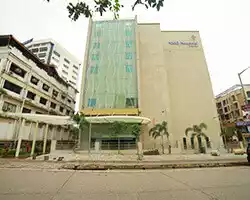
Mangaluru
-
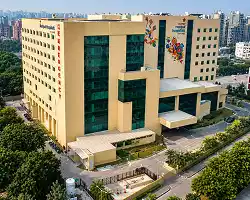
Dwarka - Delhi NCR
-
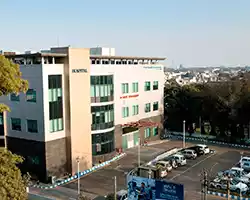
Patiala
-
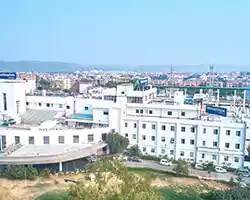
Jaipur
-
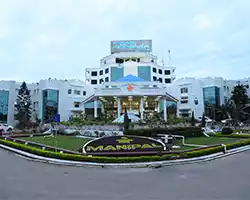
Vijayawada
-
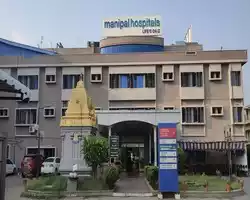
Salem
-

Salt Lake - Kolkata
-

Baner - Pune
-

Bhubaneswar
-

Ranchi

Didn’t find what you were looking for?
Get in touch with our representatives for help!
Request a CallbackSymptoms of Polytrauma
The symptoms of polytrauma vary depending on the affected organs. Patients may experience severe pain, bleeding, breathing difficulty, confusion, fractures, swelling, or loss of consciousness. Signs of shock may also be present, including pale skin, rapid pulse, or low blood pressure.
How We Diagnose Polytrauma
Polytrauma diagnosis begins with a rapid clinical assessment based on established trauma protocols to detect major injuries. Doctors assess the patient's airway, respiratory function, circulatory status, and neurological condition. Imaging studies such as X-rays, CT scans, and ultrasounds help identify internal injuries or fractures. Blood tests and continuous monitoring help evaluate organ function and determine the extent of injuries.
Treatment Options
Polytrauma treatment aims to provide rapid stabilisation and prioritises severe injuries. Management may include emergency surgery, fracture stabilisation, blood transfusions, ventilatory support, and intensive care monitoring. The treatment is coordinated by a multidisciplinary trauma team.
What to Expect
At Manipal Hospitals, patients with polytrauma receive immediate emergency care following a structured trauma protocol. The initial treatment focuses on stabilising vital functions such as breathing, circulation, and neurological status. Trauma surgeons, orthopaedic specialists, and critical care teams work together to provide timely intervention.
Once the patient is stabilised, doctors perform detailed evaluations to identify all injuries and determine the appropriate treatment course. In many cases, treatment may involve surgery to repair internal injuries, control bleeding, or stabilise fractures. Intensive care unit support may be necessary for patients with severe injuries affecting vital organs.
Effective multiple injury management requires careful coordination among specialists to treat injuries affecting different body parts. Early recovery of the patient involves pain control, infection prevention, and nutritional support.
After stabilisation, rehabilitation programmes become an essential part of recovery. Physiotherapists, occupational therapists, and rehabilitation specialists assist patients in regaining mobility, strength, and independence. A trauma rehabilitation programme may include physical therapy, mobility training, and psychological support to help patients return to daily activities safely.
Consult our Experts
FAQs
-
Why is polytrauma considered to be a medical emergency?
Polytrauma is a medical emergency because it can injure multiple organs or body systems simultaneously. Some injuries can cause severe bleeding, breathing problems, or brain injury, which require immediate stabilisation to prevent complications.
-
Which complications can occur after polytrauma?
Complications of polytrauma may include infection, organ failure, blood loss, breathing difficulties, or long-term disability, depending on the severity of injuries. Early medical intervention, intensive monitoring, and rehabilitation programmes can improve recovery outcomes.
-
How long does recovery from polytrauma usually take?
Recovery time from polytrauma varies depending on the severity and number of injuries. Some patients recover within weeks, while others may take several months of treatment and rehabilitation to regain strength, mobility, and functional independence.
-
Why is a rehabilitation programme important after polytrauma?
Rehabilitation is crucial for restoring movement, strength, and independence after serious injuries. Proper rehabilitation helps patients recover physical abilities, improve endurance, and gradually return to daily activities, reducing long-term disability.
-
Can patients return to normal routine activities after recovering from severe trauma?
Many patients gradually return to daily activities with proper treatment and rehabilitation. Recovery timelines vary among individuals. Physiotherapy, mobility training, and medical follow-up may help to restore strength, coordination, and functional independence over time.



You’re on Our Indian Website
Visit the Global site for International patient services
'Click' to chat with us
