3.webp "Lymphoma")
_(1).webp "Lymphoma")
Lymphoma
Lymphoma
Lymphoma is a group of blood cancers that affects the lymphatic system. It develops when white blood cells (lymphocytes) mutate and grow abnormally, resulting in an accumulation of abnormal cells in lymph nodes. Common risk factors include a weakened immune system, viral infections, and a family history. Treatment depends on the type of lymphoma, primarily Hodgkin and non-Hodgkin variants. Manipal Hospitals provide specialised, multidisciplinary care for lymphoma.
Our Locations
-

Old Airport Road - Bengaluru
-
.webp)
Mysuru
-

Mangaluru
-
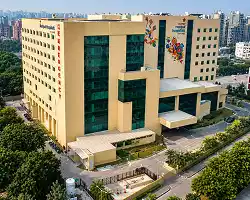
Dwarka - Delhi NCR
-

Patiala
-

Jaipur
-

Vijayawada
-
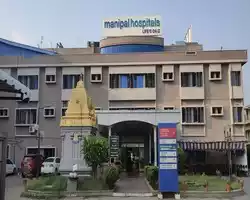
Salem
-
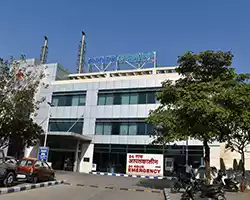
Kharadi - Pune
-

Salt Lake - Kolkata
-

Bhubaneswar
-

Siliguri
-

Ranchi

Didn’t find what you were looking for?
Get in touch with our representatives for help!
Request a CallbackSymptoms of Lymphoma
Lymphoma symptoms often include painless swelling of lymph nodes in the neck, armpits, or groin region. Other noticeable symptoms include drenching night sweats, shortness of breath, persistent fatigue, recurrent fever, and unexplained weight loss.
How We Diagnose Lymphoma
Lymphoma diagnosis begins with a physical examination to evaluate lymphoma symptoms and a tissue biopsy for pathological confirmation. Blood tests, including a complete blood count and lactate dehydrogenase (LDH) levels, help evaluate overall health and disease impact. Imaging tests such as CT and PET scans measure the spread of the disease. In certain cases, molecular testing is performed to identify specific lymphoma subtypes.
Treatment Options
Lymphoma treatment varies depending on the type, stage, and the patient's health. Options may include chemotherapy, immunotherapy, targeted therapy, radiation therapy, or stem cell transplantation. These treatment modalities may be used alone or in combination as required.
What to Expect
Lymphoma treatment at Manipal Hospitals is initiated with a comprehensive consultation with experienced haematologists and oncologists. Doctors carefully evaluate clinical symptoms, medical history, physical examination findings, and biopsy results to identify lymphoma subtype and stage. Advanced imaging studies and laboratory tests guide treatment planning.
Based on these assessments, an individualised lymphoma management plan is formulated. Treatment may involve chemotherapy to eradicate malignant cells, immunotherapy to stimulate the immune system, or targeted therapies that alter specific cancer pathways. Radiation therapy is employed selectively, particularly for localised lymphomas. In certain cases, stem cell transplantation may be utilised for high-risk or recurrent lymphoma.
Patients are closely monitored for therapeutic response and adverse effects. Supportive care, including measures to prevent infection, dietary support, and symptom control, is provided throughout the treatment. Follow-up appointments are scheduled to monitor treatment efficacy, detect recurrence, and manage long-term health. A multidisciplinary team approach ensures that patients receive comprehensive medical care, psychological support, and rehabilitation services. These help improve the quality of life and maximise chances of recovery.
Consult our Experts
FAQs
-
What are the common causes of lymphoma?
Lymphoma causes are not always clear. Risk factors may include immune system disorders, viral infections, genetic susceptibility, and exposure to radiation or chemicals. Many patients develop lymphoma without any identifiable risk factors.
-
Are all lymphomas treated the same way?
Lymphoma treatment varies based on whether it is Hodgkin or non-Hodgkin lymphoma, disease stage, and the patient’s health status. Doctors determine the subtype and stage of lymphoma before tailoring therapy to maximise effectiveness while minimising side effects.
-
Is lymphoma a curable condition?
Certain types of lymphoma are curable, especially when diagnosed early. Others are chronic but still manageable. The treatment outcomes depend on the type, stage, and response to therapy, with many patients achieving long-term remission.
-
When is it essential to seek medical attention for lymphoma symptoms?
Medical evaluation is advised if lymph node swelling lasts for several weeks. This is especially important if it is accompanied by fever, night sweats, unexplained weight loss, or fatigue. Early assessment helps ensure timely management and better recovery outcomes.
-
How serious is lymphoma?
The seriousness of lymphoma varies widely. Some forms develop slowly over time and require minimal treatment, while others are aggressive and need prompt therapy. Early diagnosis and specialised care can significantly improve prognosis.



You’re on Our Indian Website
Visit the Global site for International patient services
'Click' to chat with us
