.webp "Lung Mass: Symptoms, Causes & Treatment")

Lung Mass
Lung Mass
A lung mass is an abnormal proliferation of cells in the lungs larger than 3 centimetres that may indicate serious conditions, including cancer. It can develop due to malignancy, benign tumours, infections, or other non-cancerous growths. Some individuals may have no symptoms, while others experience chest pain, cough, or weight loss. Specialists at Manipal Hospitals assess the condition and provide evaluation and management to support accurate diagnosis.
Our Locations
-

Old Airport Road - Bengaluru
-
.webp)
Mysuru
-

Mangaluru
-
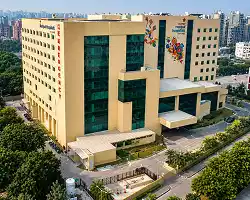
Dwarka - Delhi NCR
-

Patiala
-

Jaipur
-

Vijayawada
-

Salem
-
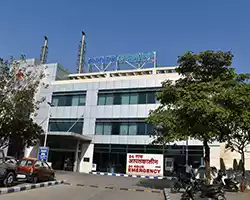
Kharadi - Pune
-

Salt Lake - Kolkata
-

Siliguri
-

Ranchi

Didn’t find what you were looking for?
Get in touch with our representatives for help!
Request a CallbackSymptoms of Lung Mass
Lung mass symptoms include shortness of breath, persistent cough, pleuritic chest pain, or unexplained weight loss. Some individuals may remain asymptomatic, with symptom severity varying based on the underlying cause.
How We Diagnose Lung Mass
Lung mass diagnosis involves clinical evaluation and assessment of symptoms such as cough, chest pain, and breathing difficulty. Doctors review medical history and risk factors. Imaging tests such as CT scans help examine the size and location of the mass. A biopsy may be performed to determine the nature of the mass. These assessments help confirm the diagnosis and guide further management.
Treatment Options
Lung mass treatment depends on the underlying cause, including cancer, infections, or benign growths. Management options may include surgery, chemotherapy, radiation therapy, or targeted therapies. The approach is planned based on diagnosis to support effective treatment and recovery.
What to Expect
Patients visiting Manipal Hospitals for a lung mass receive structured evaluation and management. The process begins with a detailed consultation, including symptom review and medical history assessment. Specialists discuss imaging findings, explain possible causes, and recommend further tests if required. This ensures a clear understanding and coordinated care.
Once a lung mass is diagnosed, treatment is planned based on its cause, type, and extent. Benign conditions or infections may be managed with medication and monitoring. Cancerous masses may require surgery, chemotherapy, radiation therapy, or combined approaches. If symptoms are minimal, careful observation may be advised. The plan is tailored to the individual condition and overall health status.
Patients are guided to monitor symptoms, follow medical advice, and recognise warning signs that require attention. Regular follow-up helps track changes in the lung mass and assess treatment response. Ongoing evaluation supports timely adjustments in management and helps maintain respiratory health.
Consult our Experts
FAQs
-
Is lung mass diagnosis painful?
Most steps in lung mass diagnosis are not painful. Imaging tests are non-invasive, while biopsy may cause mild discomfort. Local anaesthesia is commonly used, and procedures are performed under medical supervision to minimise discomfort.
-
Who may require treatment for a lung mass?
Lung mass treatment is considered based on the cause, size, and overall health status. It may be required across age groups depending on severity and associated risk factors identified during clinical evaluation.
-
How long does recovery take after treatment?
Recovery time varies depending on the treatment approach and overall health status. Conservative management may allow quicker recovery. Surgery or advanced therapies may require longer follow-up and gradual return to routine activities.
-
What factors increase the risk of developing a lung mass?
Common lung mass causes include smoking, environmental exposure, infections, and genetic factors. Long-term exposure to harmful substances and underlying lung conditions may increase the likelihood of abnormal growths.
-
Can a lung mass be monitored without immediate treatment?
Yes. Some cases may be observed without immediate intervention if the mass appears stable. Regular follow-up and repeat imaging help track changes and support timely medical decisions.



You’re on Our Indian Website
Visit the Global site for International patient services
'Click' to chat with us
