.webp "Liver Tumors: Symptoms & Treatment")

Liver tumors
Liver tumors
A liver tumour is an abnormal growth of cells within the liver. These may be benign (non-cancerous) or malignant (cancerous). Primary tumours arise in the liver, while secondary tumours (metastases) spread to the liver from cancers elsewhere in the body. Key risk factors include chronic hepatitis B or C, cirrhosis, alcohol use, and fatty liver disease. Specialists at Manipal Hospitals focus on early detection and advanced cancer treatments through a multidisciplinary team.
Our Locations
-

Old Airport Road - Bengaluru
-
.webp)
Mysuru
-

Mangaluru
-
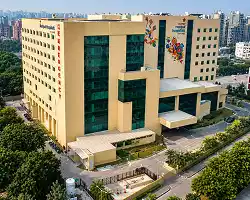
Dwarka - Delhi NCR
-

Patiala
-

Jaipur
-

Vijayawada
-
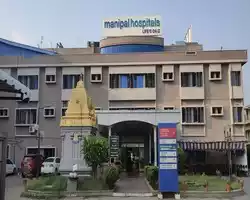
Salem
-
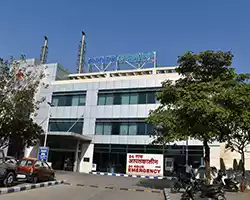
Kharadi - Pune
-

Bhubaneswar
-

Siliguri
-

Ranchi

Didn’t find what you were looking for?
Get in touch with our representatives for help!
Request a CallbackSymptoms of Liver tumors
Liver tumours are often silent in the early stages. When symptoms appear, they may include persistent upper right abdominal pain, unexplained weight loss, reduced appetite, or jaundice. Other symptoms may include abdominal swelling, a lump below the right rib cage, fatigue, nausea, or itching.
How We Diagnose Liver tumors
Liver tumour diagnosis begins with a clinical consultation and medical history review. Specialists recommend imaging studies such as abdominal ultrasound, contrast-enhanced CT scan, or MRI to assess tumour size and location. In selected cases, angiography may be used to evaluate liver's blood supply. Blood tests, including liver function tests (LFT) and alpha-fetoprotein (AFP), help assess liver function and tumour markers. When required, a liver biopsy confirms the diagnosis. These findings guide a personalised treatment plan.
Treatment Options
Liver tumour treatment options include surgical resection, liver transplantation, tumour ablation, transarterial chemoembolisation (TACE), radioembolisation, radiation therapy, chemotherapy, and targeted therapy. Often, a combination approach is used, with treatment plans customised based on tumour type, stage, and overall health.
What to Expect
At Manipal Hospitals, patients receive comprehensive multidisciplinary care from the first consultation onwards. The process begins with a detailed diagnostic evaluation and review by an oncology-hepatology team, which helps guide treatment decisions. After confirming the diagnosis and staging, doctors explain suitable treatment options based on the patient's condition.
Experienced specailists perform surgical and ablative procedures with close postoperative monitoring. Patients receiving chemotherapy or targeted therapy receive continuous support throughout every treatment cycle. Supportive care is provided to manage side effects such as nausea, fatigue, hair loss, or increased infection risk.
Post-treatment rehabilitation includes dietary guidance, physiotherapy, and psychological counselling to restore recovery and overall well-being. Emotional support for patients and families remain an integral part of care. Regular follow-up appointments help monitor liver function, assess treatment response, modify therapy if needed, prevent complications, and detect recurrence early. A dedicated nursing and support staff team ensures comfort, safety, and continuity of care throughout recovery.
With appropriate treatment and coordinated care, many patients experience improved quality of life and better long-term outcomes.
Consult our Experts
FAQs
-
Are all liver tumours cancerous?
No. Many liver tumours are benign, such as haemangiomas or focal nodular hyperplasia, and may require treatment. A definitive diagnosis through imaging and, in selected cases, biopsy helps distinguish benign from malignant tumours.
-
When should someone see a doctor for liver tumours?
Patients should seek medical evaluation if they experience persistent abdominal pain, jaundice, unexplained weight loss, or prolonged fatigue. Individuals with risk factors such as hepatitis or cirrhosis should undergo regular screening even without symptoms.
-
Can liver tumours be detected before symptoms appear?
Yes. Liver tumours are often detected incidentally during imaging studies. High-risk individuals should undergo periodic surveillance with ultrasound and, when indicated, AFP testing for early detection.
-
What are the treatment options for a malignant liver tumour?
Malignant liver tumour treatment options include surgical resection, liver transplantation, tumour ablation, TACE, and radioembolisation. Additionally, systemic therapies such as chemotherapy or targeted therapy may be used, depending on tumour stage and patient condition.
-
What lifestyle changes support recovery after liver tumour treatment?
Patients should maintain a balanced diet, avoid alcohol, and follow medical advice regarding physical activity and rehabilitation. Regular follow-up is essential to monitor liver health and support long-term recovery.



You’re on Our Indian Website
Visit the Global site for International patient services
'Click' to chat with us
