11.webp "Liver Cancer: Symptoms, Causes & Treatment | Manipal Hospitals")

Liver Cancer
Liver Cancer
Liver cancer is a malignant tumour that develops in liver cells and interferes with normal liver function. It develops when genetic changes damage liver cells and lead to uncontrolled cell growth. Long-term liver conditions such as hepatitis infections, cirrhosis, alcohol misuse, obesity, and metabolic liver disease can increase the risk. Early detection and evaluation are important for effective management. Manipal Hospitals provides comprehensive assessment and treatment planning for individuals diagnosed with liver cancer.
Our Locations
-

Old Airport Road - Bengaluru
-
.webp)
Mysuru
-

Mangaluru
-
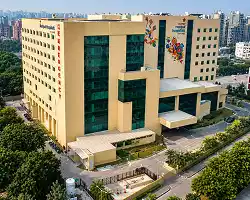
Dwarka - Delhi NCR
-

Patiala
-

Jaipur
-

Vijayawada
-

Salem
-
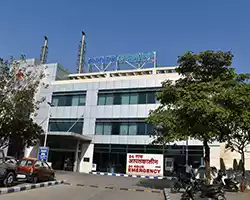
Kharadi - Pune
-

Salt Lake - Kolkata
-

Bhubaneswar
-

Siliguri
-

Ranchi

Didn’t find what you were looking for?
Get in touch with our representatives for help!
Request a CallbackSymptoms of Liver Cancer
Liver cancer symptoms may develop gradually and vary depending on tumour growth and liver function. Some individuals may experience unexplained weight loss, jaundice, itchy skin, or abdominal swelling. A lump near the right rib area may also be noticed.
How We Diagnose Liver Cancer
Liver cancer diagnosis involves clinical evaluation, symptom assessment, and review of medical history. Doctors may perform blood tests to assess liver function and detect tumour markers such as alpha-fetoprotein. Imaging tests such as ultrasound, CT scan, or MRI help detect tumours or abnormalities in the liver. In some cases, a liver biopsy may be performed to confirm the diagnosis.
Treatment Options
Liver cancer treatment depends on tumour size, stage of the disease, and overall liver function. Management may include surgery, ablation, chemotherapy, targeted therapy, immunotherapy, radiation therapy, or liver transplantation. These treatments aim to control tumour growth and improve overall health outcomes.
What to Expect
Liver cancer care at Manipal Hospitals begins with a detailed consultation with specialists who review symptoms, medical history, and risk factors. Doctors conduct a physical examination and recommend diagnostic tests to assess liver health and detect abnormalities. These tests may include blood tests, ultrasound, CT scan, or MRI to evaluate the liver and detect tumours. If required, a liver biopsy may be performed to confirm the diagnosis. The results are carefully evaluated to determine the extent of the disease and assess overall liver function.
After the evaluation, a personalised treatment plan is developed based on tumour characteristics and the patient’s overall health. Treatment may include options such as surgery, ablation, chemotherapy, targeted therapy, immunotherapy, radiation therapy, or liver transplantation. Specialists explain the recommended treatment approach and discuss possible benefits and risks. Continuous monitoring and follow-up visits help assess treatment response and manage symptoms. Supportive care and guidance are also provided to help maintain liver health and overall well-being during treatment.
Consult our Experts
FAQs
-
Can liver cancer occur without symptoms in the early stages?
Yes, early liver cancer may not cause noticeable symptoms. Many people develop symptoms only after the disease progresses. Regular medical evaluation is important for individuals with liver disease or risk factors to support early liver cancer diagnosis and timely treatment.
-
What are the common liver cancer symptoms to watch for?
Common liver cancer causes include persistent abdominal pain, fatigue, loss of appetite, unexplained weight loss, nausea, and jaundice. As the condition progresses, some individuals may notice abdominal swelling or a lump near the right rib region.
-
What are the main liver cancer causes and risk factors?
Several conditions may increase the risk of liver cancer. Common liver cancer causes include chronic hepatitis infections, cirrhosis, long-term alcohol use, obesity, metabolic liver disease, diabetes, and smoking. These factors may damage liver cells and increase the risk of abnormal cell growth.
-
Is surgery always required for liver cancer treatment?
Surgery is not required for every patient. Liver cancer treatment depends on tumour size, location, stage, and liver function. Management may include ablation, chemotherapy, targeted therapy, immunotherapy, radiation therapy, or liver transplantation.
-
Is a liver cancer diagnosis painful?
Most liver cancer diagnosis tests are not painful. Blood tests and imaging scans, such as an ultrasound, a CT scan, or an MRI, are commonly used. If a liver biopsy is required, local anaesthesia is usually used to reduce discomfort.



You’re on Our Indian Website
Visit the Global site for International patient services
'Click' to chat with us
