1.webp "Leukemia: Symptoms, Causes & Treatment | Manipal Hospitals")
1.webp "Leukemia: Symptoms, Causes & Treatment | Manipal Hospitals")
Leukemia
Leukemia
Leukaemia is a type of blood cancer that is characterised by the abnormal proliferation of white blood cells. These abnormal cells interfere with the production and function of normal blood cells, increasing the risk of infections, anaemia, and bleeding. Leukaemias are of two types, acute or chronic, and based on their type, the treatments vary. The specialists at Manipal Hospitals focus on early detection and advanced treatments through a multidisciplinary oncology care team.
Our Locations
-

Old Airport Road - Bengaluru
-
.webp)
Mysuru
-

Mangaluru
-
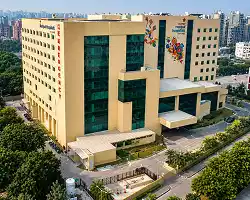
Dwarka - Delhi NCR
-

Patiala
-
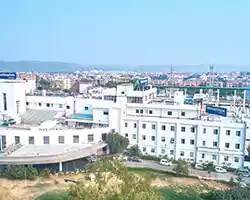
Jaipur
-

Vijayawada
-
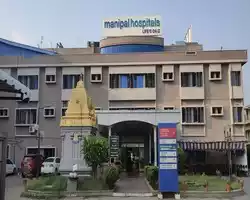
Salem
-
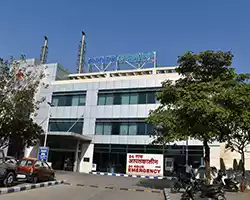
Kharadi - Pune
-

Salt Lake - Kolkata
-

Bhubaneswar
-
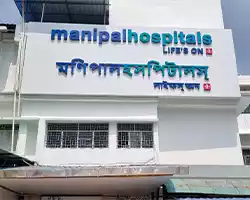
Siliguri
-

Ranchi

Didn’t find what you were looking for?
Get in touch with our representatives for help!
Request a CallbackSymptoms of Leukemia
Leukaemia symptoms depend on the type and stage. The common signs include fever or night sweats, frequent infections, fatigue, shortness of breath, and pale skin. Other symptoms may include unexplained weight loss, bone or joint pain, swollen lymph nodes, an enlarged spleen, and easy bruising or bleeding.
How We Diagnose Leukemia
Leukaemia diagnosis begins with a detailed clinical evaluation. Among the blood tests, complete blood count and peripheral smear are performed to detect abnormalities. The diagnosis and the subtype are confirmed by bone marrow aspiration and biopsy. To assess the extent of the disease and plan treatment, doctors may perform tests such as imaging, flow cytometry, or a lumbar puncture.
Treatment Options
Leukaemia treatment depends on the disease type, the stage, and the patient's characteristics. Targeted therapy, immunotherapy, stem cell transplantation, radiation therapy, and chemotherapy are the common treatment options. A personalised treatment plan helps to control the disease and prevent recurrence.
What to Expect
At Manipal Hospitals, individuals seeking leukaemia care receive personalised and structured treatment. The approach focuses on controlling the disease, managing symptoms, and maintaining long-term health. The journey starts with a thorough evaluation. The experienced team of oncologists assesses the type of leukaemia, the genetic and molecular profile, the patient’s characteristics, and other risk factors. This detailed evaluation helps to make appropriate treatment decisions.
After confirming the diagnosis and severity, doctors explain suitable treatment options based on the patient's needs. In cases of acute leukaemias, immediate and intensive treatment is given in planned cycles. Chronic leukaemias are first closely monitored, then treated with specific oral medications. Treatment may include targeted therapy, chemotherapy, immunotherapy, or stem cell transplantation, depending on patient needs. People with side effects like nausea, hair loss, fatigue, or higher infection risk receive supportive care.
Doctors provide education and emotional support to the patients as part of care, helping them to understand the treatment process. With follow-up visits and regular blood tests, doctors monitor response to the treatment, modify therapy if needed, and prevent complications. With appropriate treatment and coordinated care, many patients may experience improved quality of life and better long-term outcomes.
Consult our Experts
FAQs
-
Which factors can increase the risk of leukaemia?
Leukaemia risk factors include previous exposure to radiation or chemotherapy, contact with industrial chemicals, smoking, family history, and certain genetic disorders such as Down syndrome. Leukaemia can affect anyone, but these factors increase the susceptibility.
-
Is it possible to cure leukaemia?
Certain types of leukaemia, when diagnosed early and treated appropriately, can be cured. For others with modern therapies and regular medical follow-up, it can be controlled effectively for the long term.
-
What are the major signs of leukaemia?
Leukaemia symptoms can vary depending on the disease type and stage, but commonly include unexplained weight loss, frequent infections, fatigue, easy bruising or bleeding, swollen lymph nodes, enlarged spleen, and bone pain.
-
How can leukaemia be treated?
The choice of leukaemia treatment depends on the disease type and stage, genetic features, and patient factors. Treatment includes a combination of targeted therapy, chemotherapy, immunotherapy, radiation therapy, and stem cell transplantation.
-
Are there any noticeable side effects of leukaemia treatment?
Yes, side effects are common in leukaemia treatments, such as nausea, hair loss, fatigue, infections, bleeding, anaemia, and mouth sores. Immunotherapy can cause immune-related side effects. Stem cell transplantation can result in graft-versus-host disease, which requires close monitoring.



You’re on Our Indian Website
Visit the Global site for International patient services
'Click' to chat with us
