1.webp "IPF: Symptoms, Causes & Treatment | Manipal Hospitals")

IPF
IPF
Idiopathic pulmonary fibrosis (IPF) is a chronic lung disease characterised by progressive scarring and thickening of lung tissue, making breathing increasingly difficult. IPF is a type of interstitial lung disease that affects the tissue surrounding the lung air sacs. Although the exact cause is unknown, risk factors include smoking, environmental exposure, certain medications, and autoimmune conditions. Manipal Hospitals provides diagnostic evaluation and management support for IPF.
Our Locations
-

Old Airport Road - Bengaluru
-
.webp)
Mysuru
-

Mangaluru
-
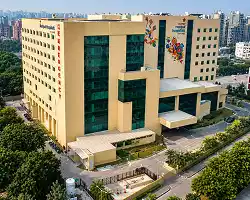
Dwarka - Delhi NCR
-

Patiala
-

Jaipur
-

Vijayawada
-
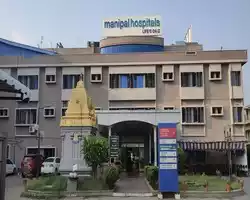
Salem
-

Salt Lake - Kolkata
-

Baner - Pune
-

Bhubaneswar
-
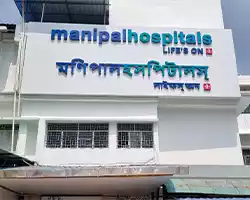
Siliguri
-

Ranchi

Didn’t find what you were looking for?
Get in touch with our representatives for help!
Request a CallbackSymptoms of IPF
IPF symptoms usually develop gradually and may include shortness of breath during activity, persistent dry cough, fatigue, and unexplained weight loss. Some individuals may also develop clubbing of the fingers or bluish discolouration around the lips and nails.
How We Diagnose IPF
IPF diagnosis involves a detailed clinical evaluation, including assessment of symptoms, medical history, and possible environmental or occupational exposures. Diagnostic tests may include chest X-rays, high-resolution CT scans, lung function tests, blood tests, bronchoscopy, and, in some cases, a lung biopsy. Manipal Hospitals provides comprehensive diagnostic assessment and support for IPF.
Treatment Options
IPF treatment focuses on slowing disease progression, relieving symptoms, and improving quality of life. Management may include antifibrotic medications, oxygen therapy, pulmonary rehabilitation, and supportive care. In selected cases, lung transplantation may be considered for advanced disease.
What to Expect
At Manipal Hospitals, patients receiving care for IPF are provided with comprehensive and personalised treatment focused on managing symptoms and slowing disease progression. The consultation usually begins with a detailed review of medical history, symptoms, and diagnostic investigations to confirm the condition.
Once the diagnosis is established, specialists develop an individualised treatment plan based on disease severity and the patient’s overall health. Management may include antifibrotic medications, oxygen therapy, pulmonary rehabilitation programmes, and supportive care to help maintain lung function and improve daily activity levels. Symptom management for cough and breathlessness also forms an important part of care.
Patients are advised on lifestyle measures such as infection prevention, staying physically active within tolerance, and following treatment recommendations carefully. Regular follow-up visits help monitor disease progression, evaluate treatment response, and adjust management plans when needed. With ongoing medical support, many individuals can manage symptoms more effectively and maintain their quality of life over time.
Consult our Experts
FAQs
-
At what age is idiopathic pulmonary fibrosis commonly diagnosed?
Idiopathic pulmonary fibrosis is usually diagnosed in older adults. The condition is more common in individuals above 50 years of age. Risk may increase with smoking history, long-term exposure to irritants, or certain genetic and environmental factors.
-
Is an IPF diagnosis painful or invasive?
IPF diagnosis usually begins with non-invasive tests such as imaging scans and lung function assessments. Some procedures, such as bronchoscopy or lung biopsy, may be recommended in selected cases to confirm the diagnosis and assess lung scarring.
-
What are the common IPF causes?
Although exact IPF causes are often difficult to identify because the disease frequently develops without a clear trigger. However, factors such as smoking, environmental dust exposure, certain medications, and autoimmune conditions may increase the risk of lung scarring.
-
Can IPF symptoms worsen over time?
Yes, IPF symptoms may gradually worsen as lung scarring progresses. Individuals may experience increasing breathlessness, fatigue, and reduced tolerance for physical activity. Disease progression varies between individuals, and regular medical monitoring is usually recommended.
-
What treatment options are used to manage the condition?
IPF treatment focuses on slowing disease progression and relieving breathing difficulties. Management may include antifibrotic medications, oxygen therapy, pulmonary rehabilitation, and supportive care. In advanced cases, lung transplantation may be considered.



You’re on Our Indian Website
Visit the Global site for International patient services
'Click' to chat with us
