
.webp "Inherited Genetic Disorders: Diagnosis & Care")
Inherited Genetic Disorders
Inherited Genetic Disorders
Inherited genetic disorders are medical conditions caused by changes in a person's genes that are passed down from parents to their children. Depending on the affected genes, these disorders may impact specific organs or body systems. Certain conditions are present at birth, while others may develop later in life. Timely genetic counselling and medical consultation are important for managing these disorders. Manipal Hospitals provides personalised care and management planning for individuals with inherited genetic disorders.
Our Locations
-

Old Airport Road - Bengaluru
-
.webp)
Mysuru
-

Mangaluru
-
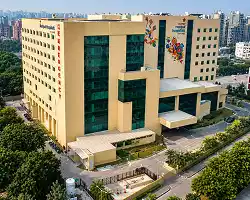
Dwarka - Delhi NCR
-

Patiala
-

Jaipur
-

Vijayawada
-

Salem
-

Kharadi - Pune
-

Salt Lake - Kolkata
-

Bhubaneswar
-

Siliguri
-

Ranchi

Didn’t find what you were looking for?
Get in touch with our representatives for help!
Request a CallbackSymptoms of Inherited Genetic Disorders
Symptoms vary depending on the specific condition and the organs involved. They include developmental delays, unusual physical features, chronic health problems, metabolic disturbances, and bleeding disorders. Depending on the disorder, organ dysfunction may appear during infancy, childhood, or adulthood.
How We Diagnose Inherited Genetic Disorders
Diagnosis requires a thorough evaluation of medical and family history, along with a clinical examination. Imaging studies, specialised laboratory tests, and genetic disorder testing may be recommended to identify changes in genes or chromosomes. Molecular testing is used to confirm a diagnosis and determine patterns of inheritance. It can be used to guide clinical management of affected individuals and their family members.
Treatment Options
Treatment aims to relieve symptoms, prevent complications, and improve the patient’s quality of life. Depending on the nature and severity, treatment may include medications and supportive therapies. Specialised care for affected organs and lifestyle changes may also be recommended.
What to Expect
Patients diagnosed with inherited genetic disorders at Manipal Hospitals require long-term medical care and regular monitoring. The approach to management depends on the specific condition, its severity, and the organs affected. Doctors may recommend a combination of medications, physiotherapy, dietary modifications, or specialised treatments to manage symptoms and slow disease progression.
Some genetic disorders can be controlled effectively with prompt treatment. Depending on the disorder, more specialised treatment, such as enzyme replacement therapy, medications, or bone marrow transplantation, may be considered. Regular medical follow-ups allow doctors to monitor the patient's health and detect any complications.
Families may also benefit from genetic counselling, which provides information about inheritance patterns, recurrence risks, and family planning options. Genetic counsellors help individuals to understand the implications of genetic conditions and guide decision-making for future pregnancies.
Long-term management relies on supportive care, rehabilitation services, and multidisciplinary medical teams. With appropriate treatment and careful monitoring, many people with inherited genetic disorders can maintain better health and manage their symptoms effectively. This approach can significantly improve their overall quality of life.
Consult our Experts
FAQs
-
How are inherited genetic disorders passed down in families?
Genetic disorders are inherited through different patterns, including autosomal dominant, autosomal recessive, X-linked, or mitochondrial inheritance. The pattern of inheritance depends on the specific gene involved and determines the likelihood of the condition appearing in future generations. -
Can inherited genetic disorders be prevented?
Many inherited genetic disorders cannot be prevented completely because they are caused by genetic mutations. However, timely diagnosis, carrier screening, and genetic counselling may help families understand potential risks and make informed decisions about future pregnancies.
-
Are inherited genetic disorders always present at birth?
Some inherited genetic disorders are noticeable at the time of birth, while others may develop later in childhood or adulthood. The timing of symptom appearance depends on the specific gene mutation, its severity, and how it affects body functions.
-
Why is family history important in diagnosing genetic disorders?
Family history is essential because it provides important clues about the pattern of inheritance. Doctors review medical conditions affecting parents, siblings, and other relatives. This helps to identify possible hereditary conditions and determine whether further genetic evaluation or testing is necessary.
-
Is it possible to cure inherited genetic disorders?
Most inherited genetic disorders cannot be cured completely. However, with advanced medical treatments, it is possible to control symptoms, slow disease progression, and improve quality of life. This can be achieved through a combination of medications, supportive therapies, and specialised medical care.



You’re on Our Indian Website
Visit the Global site for International patient services
'Click' to chat with us
