
2.webp "Hypertension")
Hypertension
Hypertension
Hypertension is a condition in which the force of blood pushing against artery walls is too high. This makes the heart work harder to pump blood through the body. Over time, it damages the arteries and heart and increases the risk of a heart attack or stroke. As it often causes no symptoms, it is known as a silent killer. Specialists at Manipal Hospitals assess blood pressure and provide appropriate management to reduce complications.
Our Locations
-
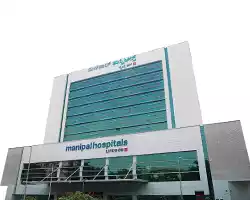
Old Airport Road - Bengaluru
-
.webp)
Mysuru
-
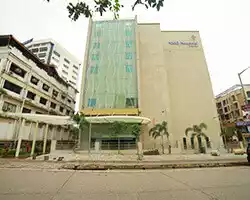
Mangaluru
-
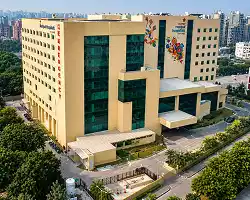
Dwarka - Delhi NCR
-
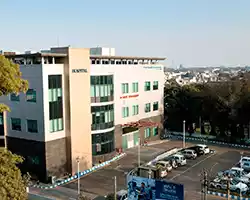
Patiala
-
Jaipur
-

Vijayawada
-
Salem
-
Kharadi - Pune
-
Salt Lake - Kolkata
-

Bhubaneswar
-
Siliguri
-
Ranchi

Didn’t find what you were looking for?
Get in touch with our representatives for help!
Request a CallbackSymptoms of Hypertension
Hypertension symptoms are often absent, and the condition may remain unnoticed for years. In severe cases, symptoms may include chest pain, dizziness, severe headache, vision changes, swelling, confusion, reduced urination, or signs of stroke due to organ involvement.
How We Diagnose Hypertension
Hypertension diagnosis begins with a clinical evaluation and review of medical history. Doctors measure blood pressure using an inflatable arm cuff that records pressure during and between heartbeats. Multiple readings may be taken on separate occasions. Additional tests such as blood tests, urine tests, ECG, or echocardiogram may be advised to check heart health and guide management.
Treatment Options
Hypertension treatment includes medicines to lower blood pressure and changes to daily habits. Common medicines include diuretics, beta-blockers, calcium channel blockers, ACE inhibitors, and ARBs. Lifestyle changes such as healthy eating, reducing sodium, regular physical activity and limiting alcohol are also important.
What to Expect
Hypertension management at Manipal Hospitals involves structured care focused on lowering blood pressure and reducing long-term health risks. The process begins with a detailed assessment, including repeated blood pressure measurements and review of medical history. Doctors evaluate overall health and identify possible contributing factors. Based on the findings, they create a personalised treatment plan suited to the patient’s condition and risk profile.
Treatment may include prescribed medicines along with guidance on diet, physical activity, weight control, and limiting alcohol. Regular follow-up visits help monitor progress and adjust medicines if required. Patients may be advised to check their blood pressure at home and maintain a record for review. Managing hypertension symptoms and preventing complications requires consistent adherence to medical advice. Hypertension often requires lifelong management rather than a permanent cure. Ongoing monitoring remains essential to maintain control. With timely care, regular reviews, and commitment to treatment, most people can maintain stable blood pressure and continue daily activities safely.
Consult our Experts
FAQs
-
What are common hypertension symptoms?
Hypertension symptoms are often absent, so many people are unaware they have it. When blood pressure rises very high, symptoms may include chest pain, severe headache, dizziness, vision changes, or confusion. These signs, especially if accompanied stroke symptoms, require urgent medical attention.
-
What are the main causes of hypertension?
Hypertension causes are often linked to multiple lifestyle and genetic factors. Age, family history, smoking, excess weight, high sodium intake, limited physical activity, and alcohol use can raise blood pressure. Certain medical conditions or medicines may also contribute.
-
How is hypertension diagnosis confirmed?
Hypertension diagnosis involves repeated blood pressure measurements using an inflatable arm cuff. Doctors also review medical history and assess overall health. Additional tests, such as blood, urine, or heart tests, may be advised to check for related conditions.
-
What does hypertension treatment involve?
Hypertension treatment includes prescribed medicines and long-term lifestyle changes. Doctors may recommend reducing sodium intake, increasing physical activity, limiting alcohol, and stopping smoking. Regular monitoring and follow-up visits help maintain stable blood pressure and lower the risk of complications.
-
How is patient safety maintained during hypertension treatment?
At Manipal Hospitals, hypertension treatment is supported by careful monitoring and regular follow-up assessments. Doctors review blood pressure readings, health and adjust medicines when required. Clear guidance on medication use and lifestyle changes helps reduce complications and long-term blood pressure control.



You’re on Our Indian Website
Visit the Global site for International patient services
'Click' to chat with us
