

Gynecological cancers
Gynecological cancers
Gynaecological cancers originate from the female reproductive organs, including the cervix, ovaries, uterus, vagina, and vulva. These cancers may vary in presentation, progression, and prognosis. Human papillomavirus infection, genetic predisposition, hormonal influences, and age are common risk factors. Early detection of gynaecological cancers is critical for timely diagnosis and effective management. Manipal Hospitals provides comprehensive, multidisciplinary care for the diagnosis and management of gynaecological cancers.
Our Locations
-

Old Airport Road - Bengaluru
-
.webp)
Mysuru
-

Mangaluru
-
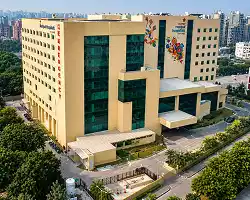
Dwarka - Delhi NCR
-

Patiala
-

Jaipur
-

Vijayawada
-
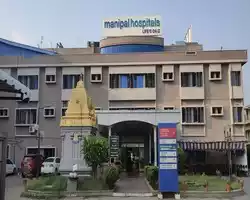
Salem
-
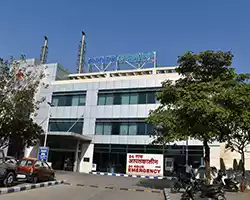
Kharadi - Pune
-

Salt Lake - Kolkata
-

Bhubaneswar
-

Ranchi

Didn’t find what you were looking for?
Get in touch with our representatives for help!
Request a CallbackHow We Diagnose Gynecological cancers
Diagnosis involves clinical evaluation, pelvic examination, and screening tests such as Pap smear or HPV testing. Imaging studies, including ultrasound, CT, and MRI, help assess the extent of the tumour. A biopsy is performed to confirm malignancy. Additional laboratory and molecular tests guide staging and treatment planning in patients with gynaecological cancer symptoms.
Treatment Options
Management depends on the type of cancer, its stage, and patient-specific factors. Treatment options include surgery, chemotherapy, radiation therapy, targeted therapies, or hormone therapy. A multidisciplinary approach is necessary for optimal treatment selection and improved clinical outcomes.
What to Expect
At Manipal Hospitals, patients diagnosed with gynaecological cancers undergo a comprehensive evaluation, including clinical assessment, imaging studies, and histopathological confirmation. Based on tumour type, stage, and overall health, a multidisciplinary team develops an individualised treatment plan.
For early-stage cancers, doctors may recommend surgery to remove the tumour and, in some cases, adjacent structures. Advanced-stage disease may require chemotherapy, radiation therapy, or targeted therapies to control tumour progression.
Supportive care is essential and includes pain control, nutritional support, and psychological counselling. Doctors discuss fertility preservation options in eligible patients before the initiation of treatment.
Routine follow-up is essential to monitor treatment response, detect recurrence early, and manage long-term effects. This structured and coordinated approach optimises outcomes and supports the overall quality of life. Recovery varies based on cancer type and stage, with treatment, supportive care, and follow-up contributing to better outcomes.
Consult our Experts
FAQs
-
What are the typical warning signs of gynaecological cancers?
Common gynaecological cancer symptoms include abnormal vaginal bleeding, pelvic pain, abdominal bloating, and changes in urinary or bowel habits. In cases of persistent or unusual symptoms, prompt medical evaluation is necessary to prevent complications.
-
What leads to the development of gynaecological cancers?
Causes include human papillomavirus infection, genetic mutations such as BRCA gene alterations, hormonal factors, and increasing age. Lifestyle and environmental factors may also contribute to the risk of developing these cancers.
-
How are these cancers diagnosed?
Diagnosis involves pelvic examination, Pap smear, imaging studies, and biopsy for histological confirmation. Molecular testing may be performed to guide targeted therapy and personalise treatment strategies.
-
Are gynaecological cancers treatable?
Yes. Many gynaecological cancers are treatable, especially when detected early. Treatment outcomes depend on cancer type, stage at diagnosis, and overall health. Early intervention significantly improves survival rates.
-
Can gynaecological cancers affect fertility?
Yes. Certain treatments, such as surgery or chemotherapy, may affect fertility. Fertility preservation options may be considered before treatment in selected patients, depending on cancer type and stage.



You’re on Our Indian Website
Visit the Global site for International patient services
'Click' to chat with us
