.webp "Glaucoma: Symptoms, Causes & Treatment | Manipal Hospitals")

Glaucoma
Glaucoma
Glaucoma is one of the leading causes of irreversible blindness worldwide. It is a group of eye diseases that is often associated with increased pressure inside the eye, damaging the optic nerve. It is a progressive disease that may not present with early symptoms. Blindness from glaucoma can be prevented if it is recognised and treated early. At Manipal Hospitals, specialists create personalised treatment plans to help prevent further vision loss.
Our Locations
-
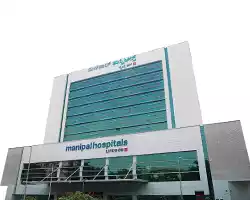
Old Airport Road - Bengaluru
-
.webp)
Mysuru
-
Mangaluru
-
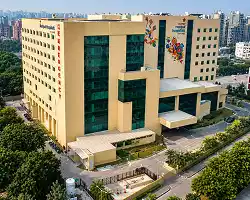
Dwarka - Delhi NCR
-
Patiala
-
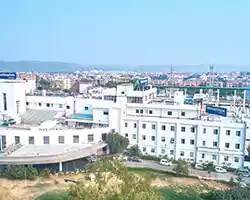
Jaipur
-
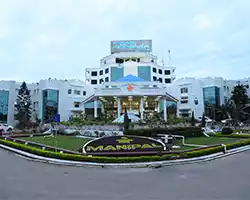
Vijayawada
-
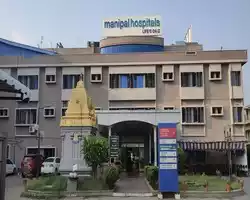
Salem
-
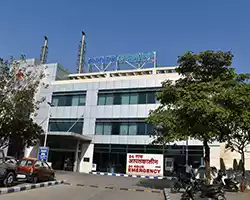
Kharadi - Pune
-
Salt Lake - Kolkata
-
Bhubaneswar
-
Kanakapura Road - Bengaluru
-
Siliguri
-
Ranchi

Didn’t find what you were looking for?
Get in touch with our representatives for help!
Request a CallbackSymptoms of Glaucoma
Glaucoma symptoms vary by type. Early stages often have no symptoms. As the condition progresses, individuals may experience blurred vision, gradual peripheral vision loss, headaches, eye pain, and halos around lights. In acute cases, sudden vision changes may occur.
How We Diagnose Glaucoma
A glaucoma diagnosis involves a series of eye examinations that help detect the disease before symptoms appear. These tests include tonometry, visual acuity and field testing, pachymetry, slit lamp examination, and gonioscopy to support diagnosis. Optical coherence tomography and, in selected cases, ultrasound may be performed to assess optic nerve health and structural damage. This helps guide treatment decisions.
Treatment Options
Glaucoma treatment focuses on lowering intraocular pressure and delaying disease progression. Depending on the type and severity, patients may be treated with pressure-lowering medications, laser treatment, or surgery. Surgical options include trabeculectomy, tube shunts, or minimally invasive glaucoma surgery.
What to Expect
Glaucoma treatment depends on early diagnosis, the type of glaucoma, and adherence to long-term therapy. Although vision already affected by glaucoma cannot be restored, early detection and appropriate treatment can effectively control the condition. At Manipal Hospitals, the journey of glaucoma care begins with a detailed eye evaluation. It includes assessment of the optic nerve, measurement of intraocular pressure, and visual field testing to determine the severity of the disease.
Based on the findings, an experienced team of ophthalmologists provides a personalised treatment plan for each patient. This starts with pressure-lowering eye drops and, in some cases, can advance to surgical procedures or laser therapy if needed. A key part of care is regular follow-up visits. This allows monitoring of eye pressure, adjustment of treatment if necessary, and evaluation of optic nerve health. With the doctor’s guidance, people can continue their daily activities with minimal disruption. Ongoing monitoring and personalised treatment help control eye pressure and protect vision over the long term.
Consult our Experts
FAQs
-
What are the common causes and risk factors of glaucoma?
Glaucoma is mainly caused by increased intraocular pressure that results from impaired drainage of eye fluid. Risk factors include family history, refractive errors, ageing, diabetes, eye injuries, and long-term steroid use.
-
Is it possible to prevent glaucoma?
Glaucoma cannot always be prevented, but risk can be reduced and vision loss minimised by controlling eye pressure. Key measures to prevent it include regular eye examinations, controlling diabetes and hypertension, following a healthy diet, and avoiding eye injuries.
-
What are the warning signs of glaucoma?
Glaucoma in the early stage has no warning signs. With disease progression, gradual peripheral vision loss may occur. Sudden eye pain, blurred vision, halos around lights, headache, nausea, and vomiting are associated with acute angle-closure glaucoma, requiring medical attention.
-
What are the treatment options for glaucoma?
Glaucoma treatment focuses on reducing eye pressure using medicated eye drops, oral medicines, laser therapy, or surgery. Treatment plans are individualised based on the type, severity, and response to therapy.
-
Does increased eye pressure always indicate glaucoma?
Glaucoma is not always indicated by increased eye pressure. Some people have ocular hypertension, where pressure is high but there is no optic nerve damage. However, increased eye pressure is a major risk factor that requires regular monitoring to prevent its development.



You’re on Our Indian Website
Visit the Global site for International patient services
'Click' to chat with us
